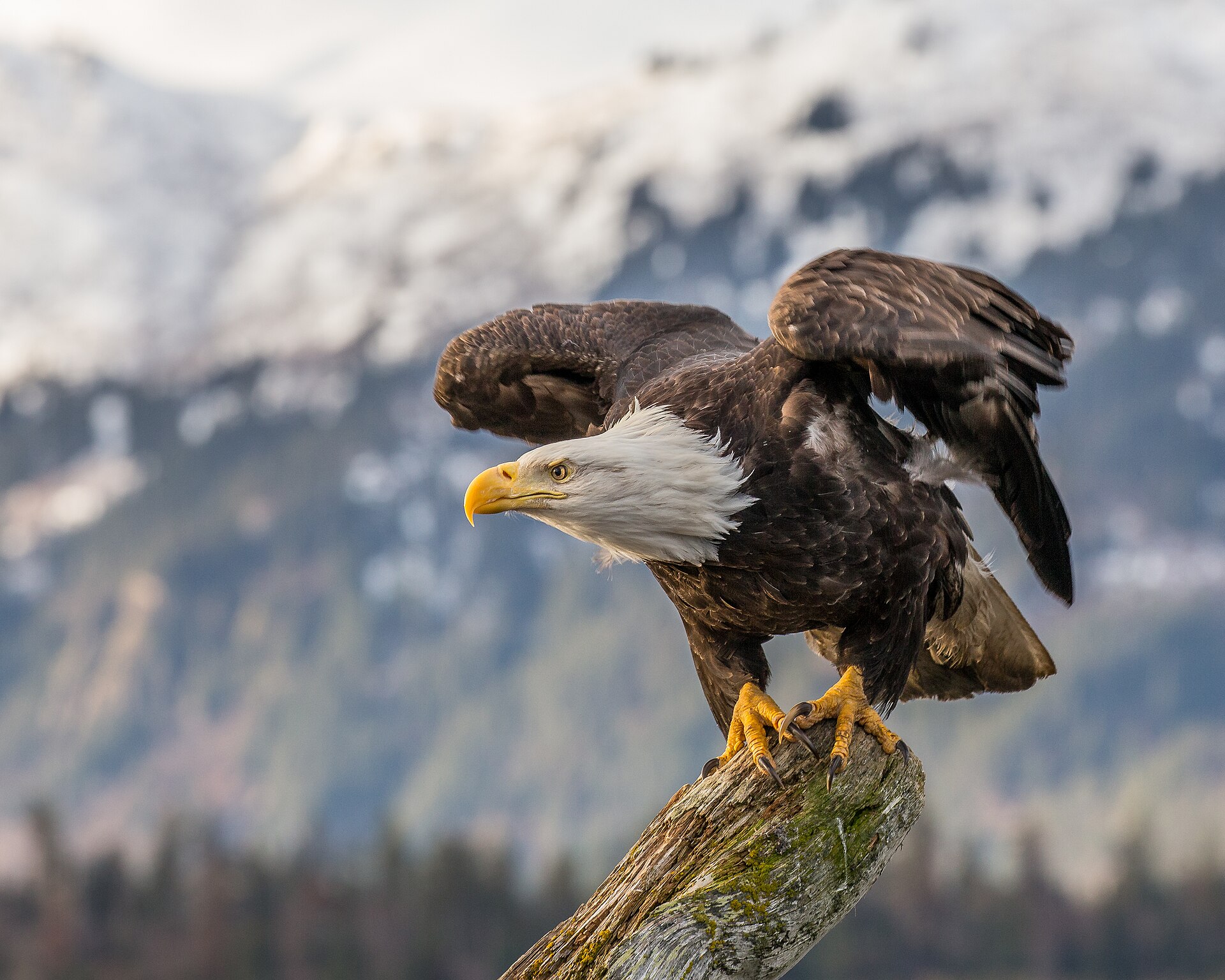
Bald Eagle Facts Haliaeetus leucocephalus
Bald eagles are large North American sea eagles usually found near lakes, rivers, and coasts. Adults develop their familiar white head and tail after several years.
- Habitat
- Freshwater
- Diet
- Fish, waterbirds, and small mammals
- Lifespan
- 20–30 years
Classification
Family: Accipitridae. Order: Accipitriformes.
Bald Eagle Habitat
Bald Eagles live in Freshwater and Coastal and Forest habitats. Their recorded range includes North America. Suitable food, shelter, and conditions for raising young help shape that range.
What Do Bald Eagles Eat?
Diet classification: Carnivore. Recorded foods: Fish, waterbirds, and small mammals.
Bald Eagle Lifespan, Size, and Weight
Recorded lifespan: 20–30 years. Recorded size: 70–102 cm. Recorded weight: 3–6.3 kg.
Bald Eagle Conservation Status
Bald Eagle is listed here as Least Concern. Protecting habitat, maintaining healthy prey or food sources, and reducing human pressure are important parts of conserving wild populations.
Quick facts
- Region
- North America
- Habitat
- Freshwater, Coastal, Forest
- Diet
- Carnivore
- Lifespan
- 20–30 years
- Size
- 70–102 cm
- Weight
- 3–6.3 kg
Fun facts
- Their nests can be reused and enlarged for many breeding seasons.
- Bald eagles are strong swimmers when they land in water with prey.
- Females are generally larger than males.
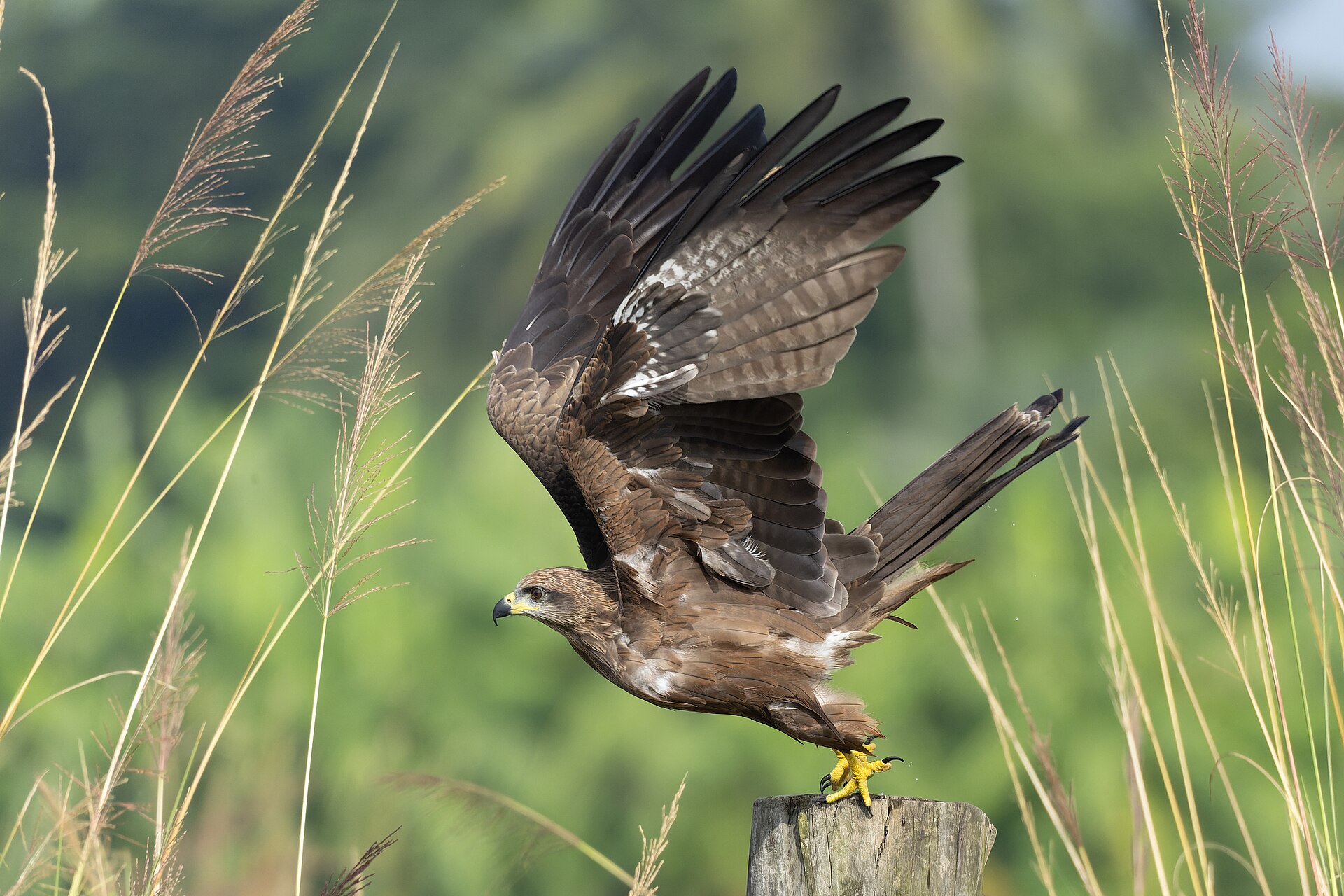
- Young eagles remain mostly brown until adult plumage develops.
Explore related categories
Discover more with the random animal generator or browse all animal profiles.
Similar animals
Explore nearby branches of the animal world.
Ready for another discovery?
The animal kingdom is full of surprises.
Sources and image credit
Animal facts are reviewed against the references below. The photograph remains available under the stated license.