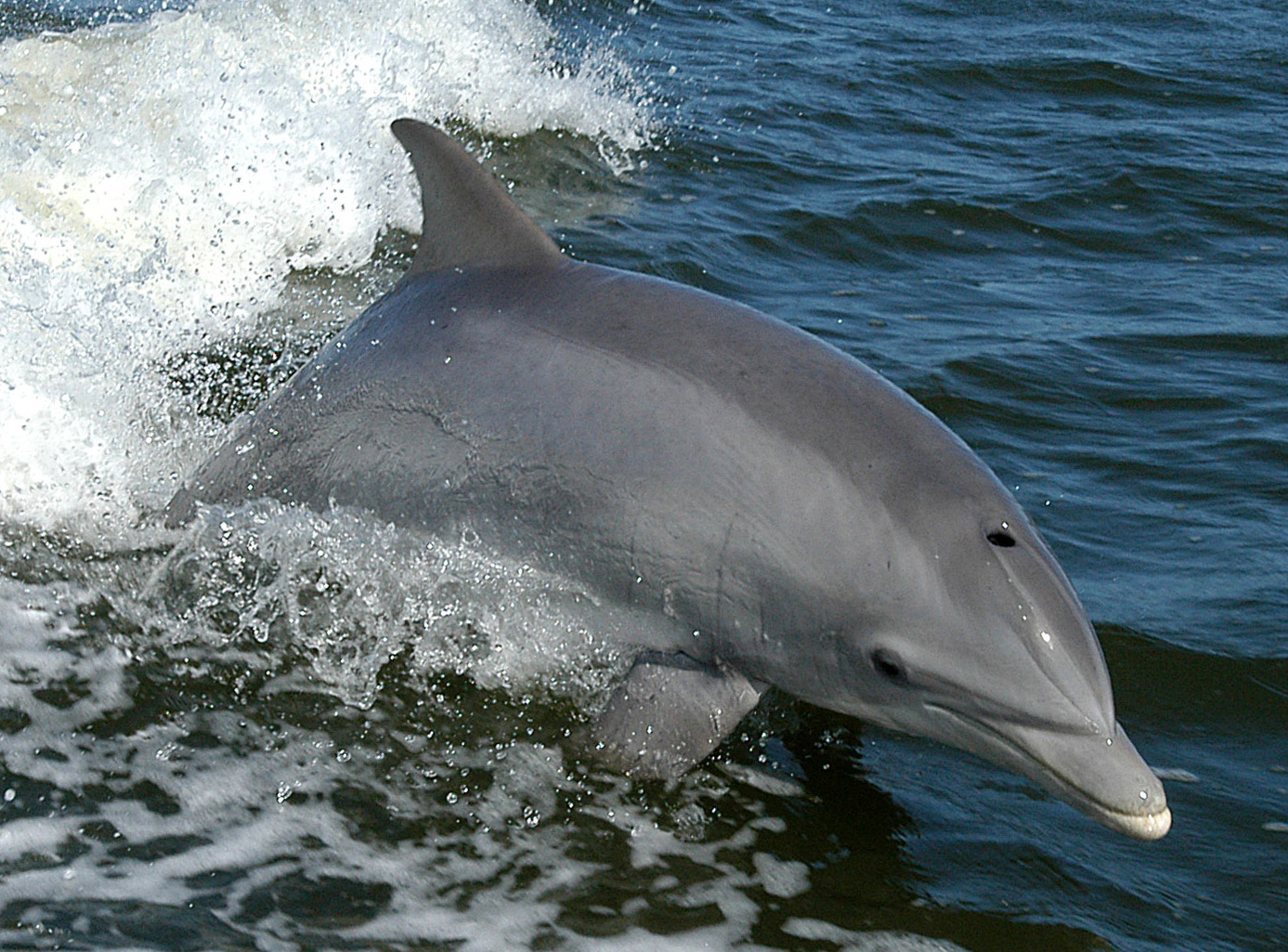
Bottlenose Dolphin Facts Tursiops truncatus
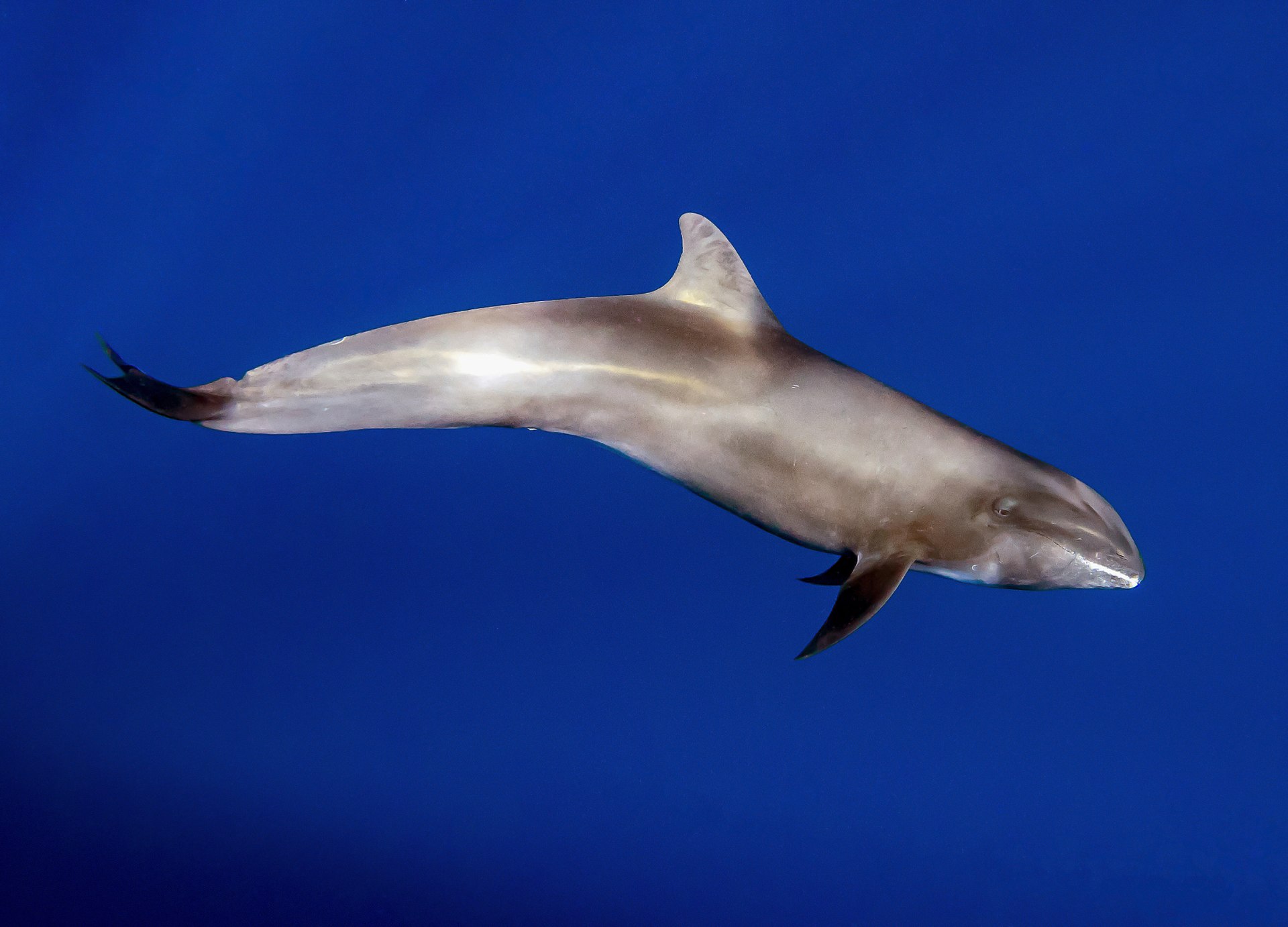
Common bottlenose dolphins are social marine mammals found in warm and temperate seas. They use whistles, body language, and echolocation to communicate and navigate.
- Habitat
- Marine
- Diet
- Fish, squid, and crustaceans
- Lifespan
- 40–60 years
Classification
Family: Delphinidae. Order: Artiodactyla.
Bottlenose Dolphin Habitat
Bottlenose Dolphins live in Marine and Coastal habitats. Their recorded range includes Temperate and tropical oceans. Suitable food, shelter, and conditions for raising young help shape that range.
What Do Bottlenose Dolphins Eat?
Diet classification: Carnivore. Recorded foods: Fish, squid, and crustaceans.
Bottlenose Dolphin Lifespan, Size, and Weight
Recorded lifespan: 40–60 years. Recorded size: 200–400 cm. Recorded weight: 150–650 kg.
Bottlenose Dolphin Conservation Status
Bottlenose Dolphin is listed here as Least Concern. Protecting habitat, maintaining healthy prey or food sources, and reducing human pressure are important parts of conserving wild populations.
Quick facts
- Region
- Temperate and tropical oceans
- Habitat
- Marine, Coastal
- Diet
- Carnivore
- Lifespan
- 40–60 years
- Size
- 200–400 cm
- Weight
- 150–650 kg
Fun facts
- Each dolphin develops a distinctive signature whistle used like a name.
- Echolocation clicks reveal the distance and shape of nearby objects.
- Some populations use sponges to protect their snouts while foraging.
- They surface voluntarily to breathe through a single blowhole.
Explore related categories
Discover more with the random animal generator or browse all animal profiles.
Similar animals
Explore nearby branches of the animal world.
Ready for another discovery?
The animal kingdom is full of surprises.
Sources and image credit
Animal facts are reviewed against the references below. The photograph remains available under the stated license.