
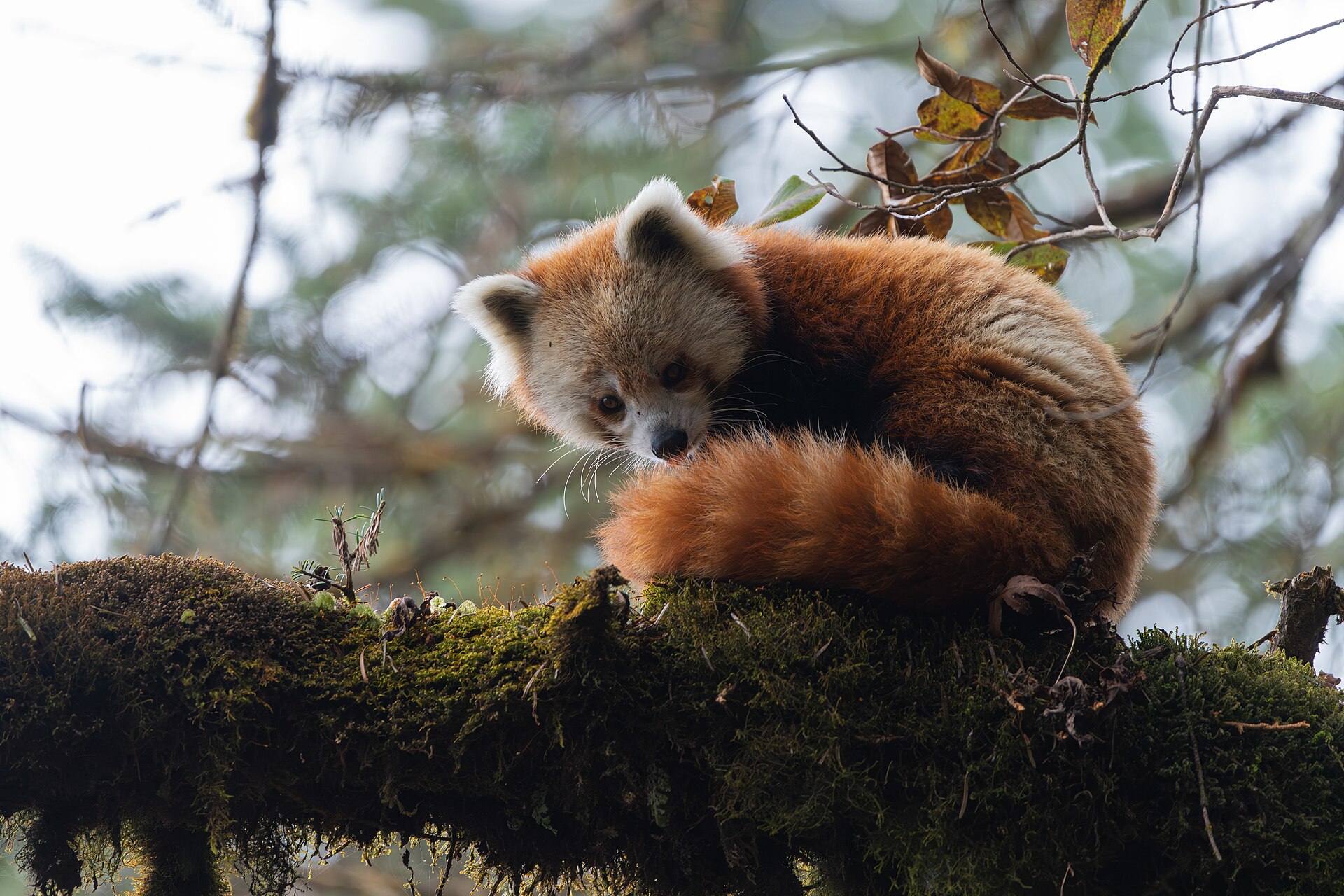
Red Panda
Ailurus fulgens
MammalBrowse every reviewed animal in Random Animal Picker, including mammals, birds, reptiles, sea animals, pets, and endangered species.
845 reviewed animals · Page 1 of 36
Ailurus fulgens
Mammal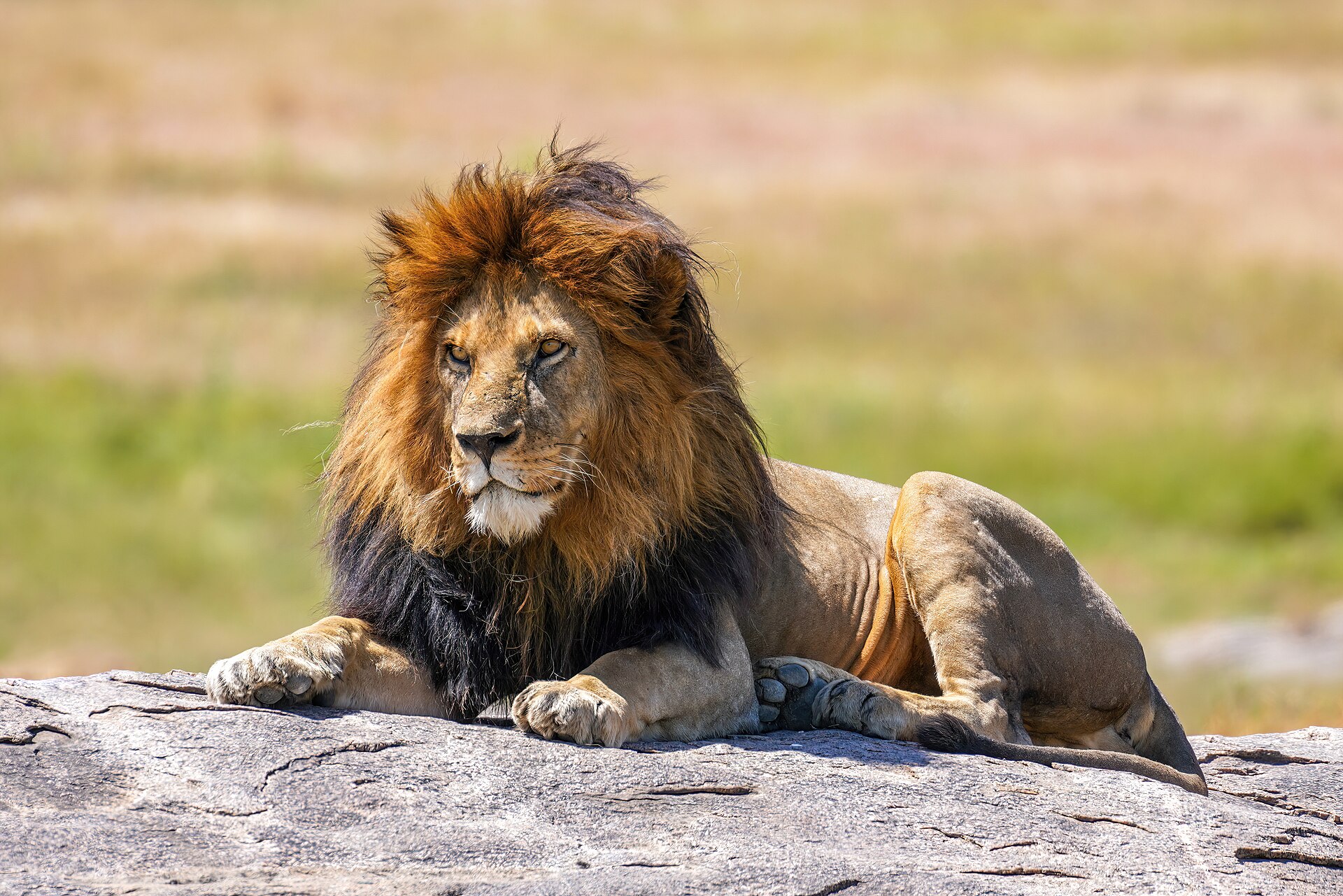
Panthera leo
Mammal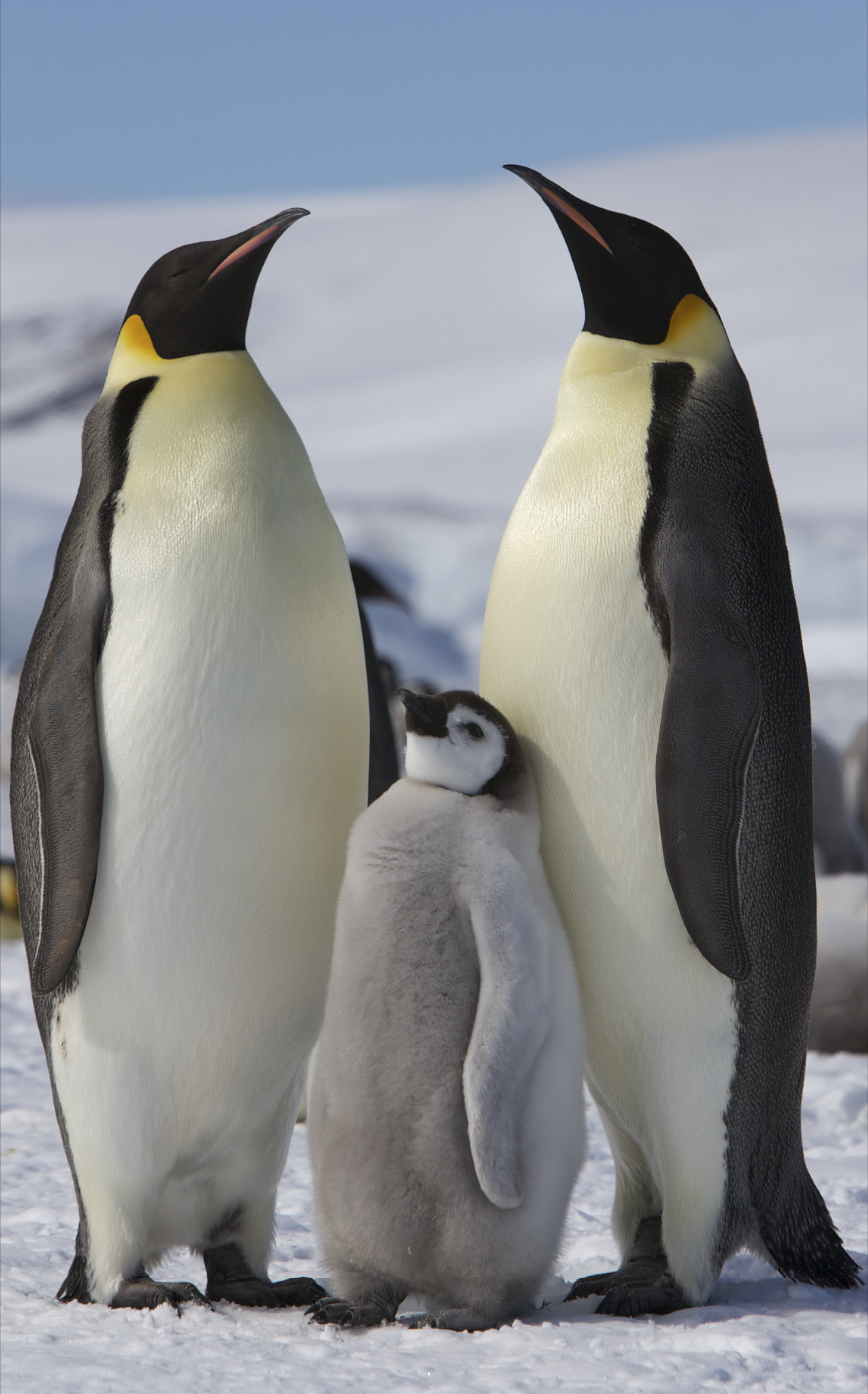
Aptenodytes forsteri
Bird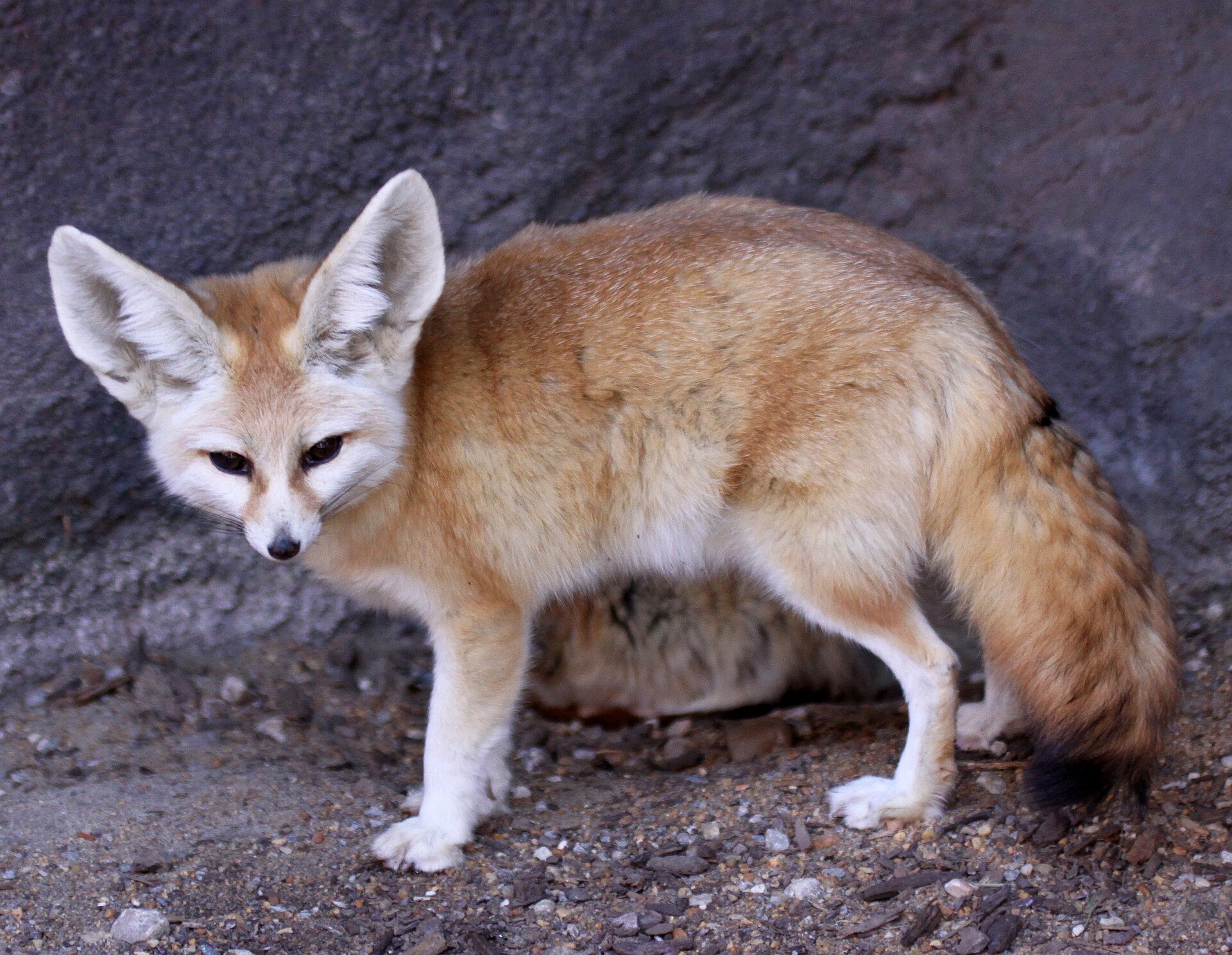
Vulpes zerda
Mammal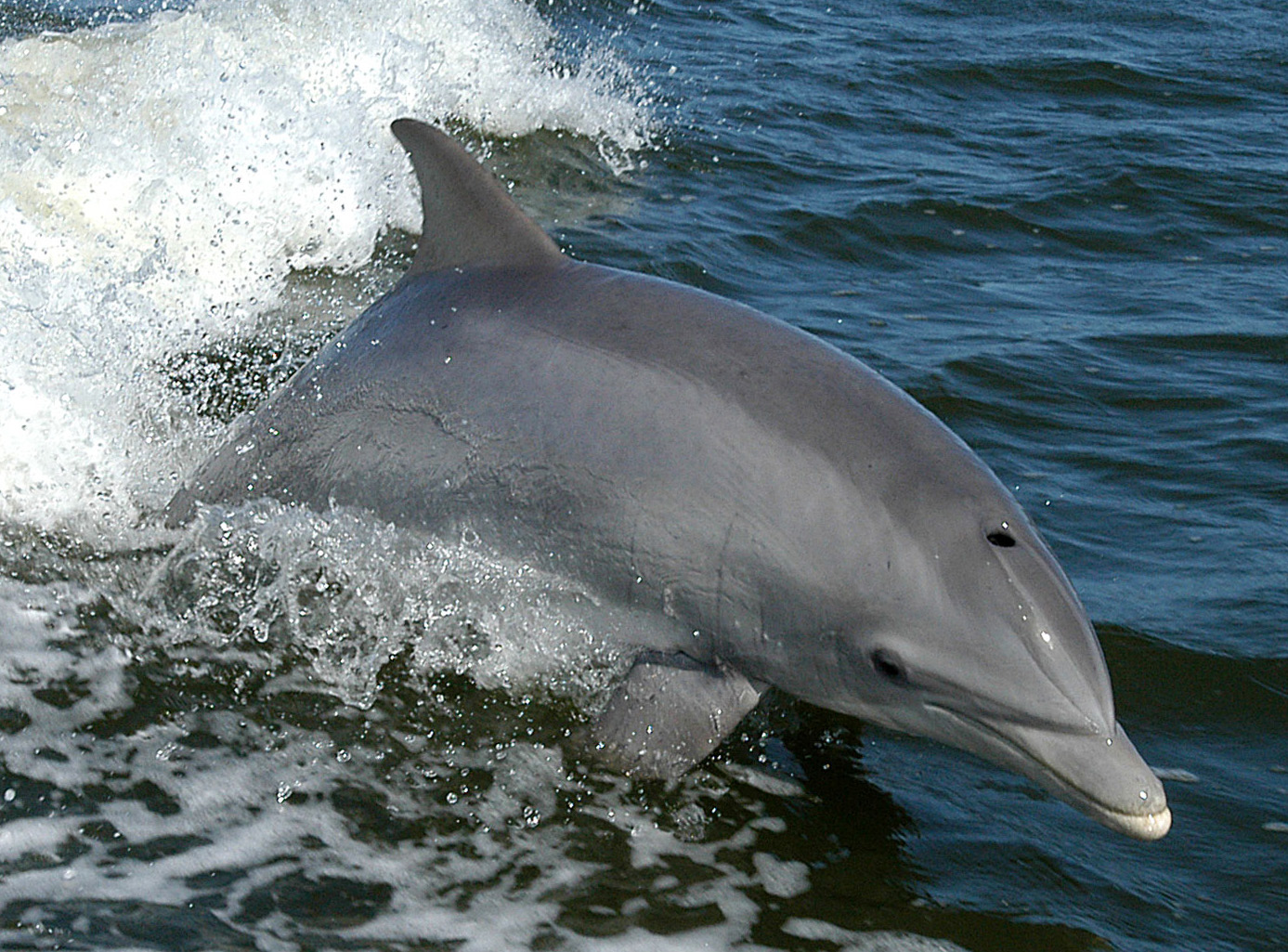
Tursiops truncatus
Mammal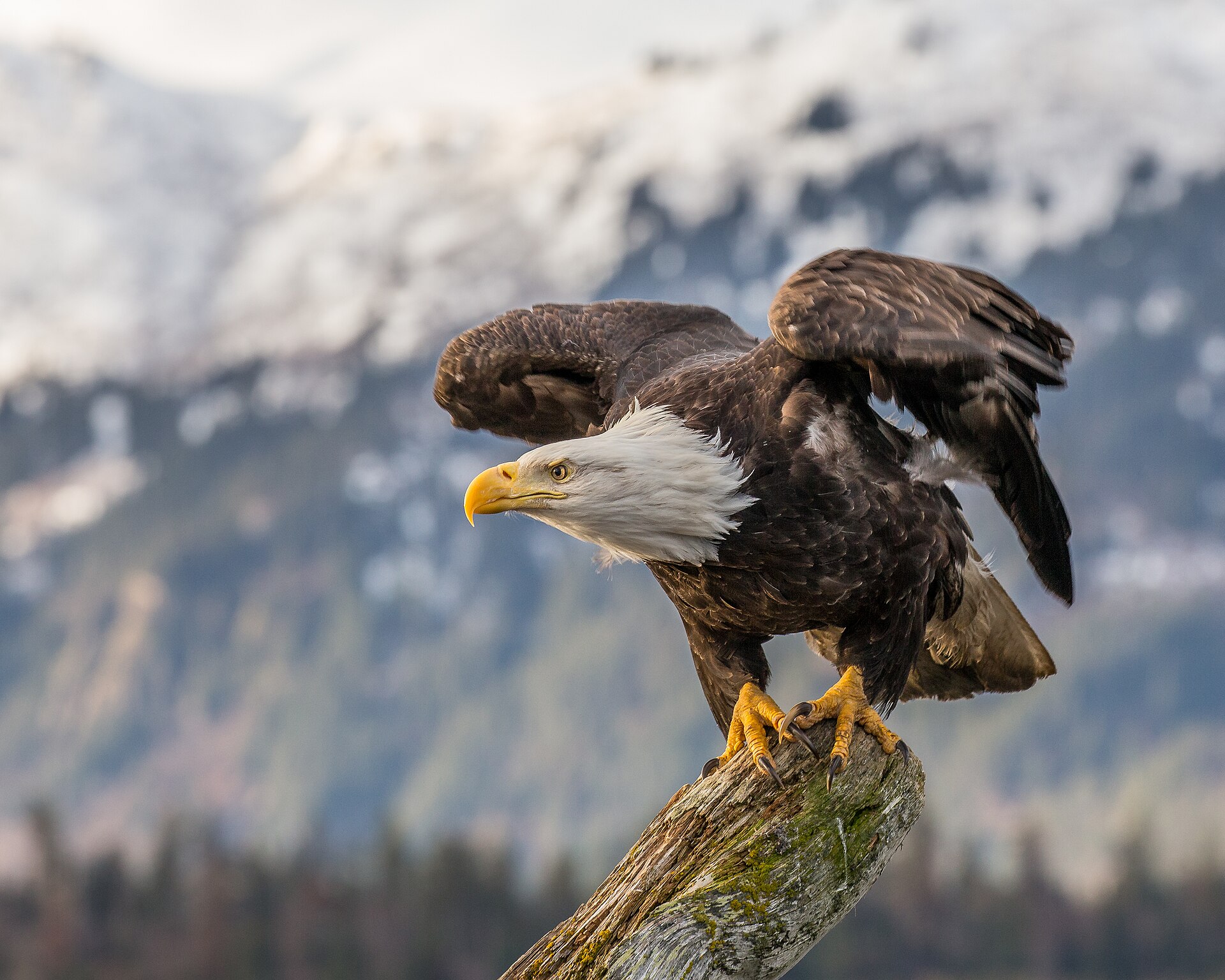
Haliaeetus leucocephalus
Bird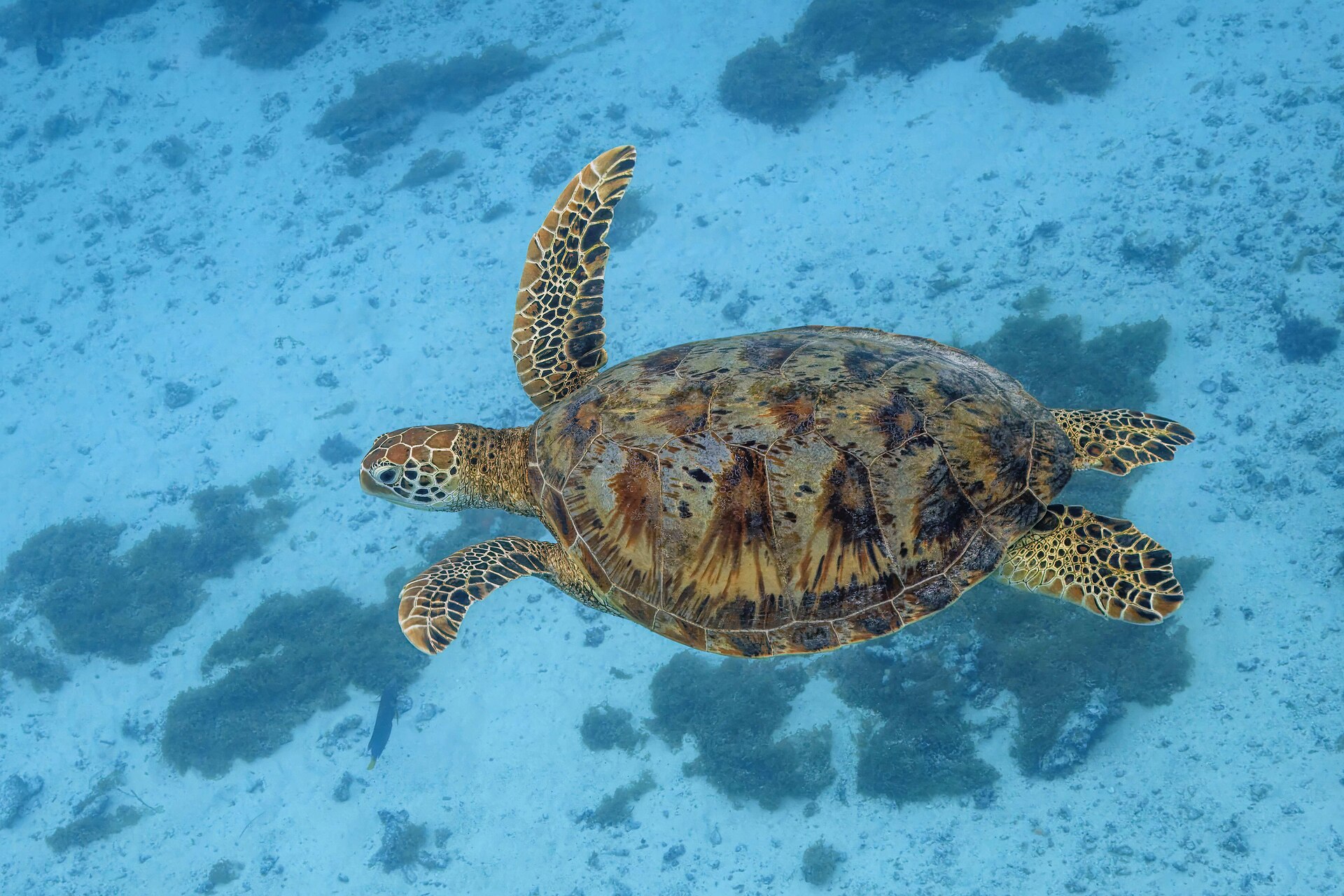
Chelonia mydas
Reptile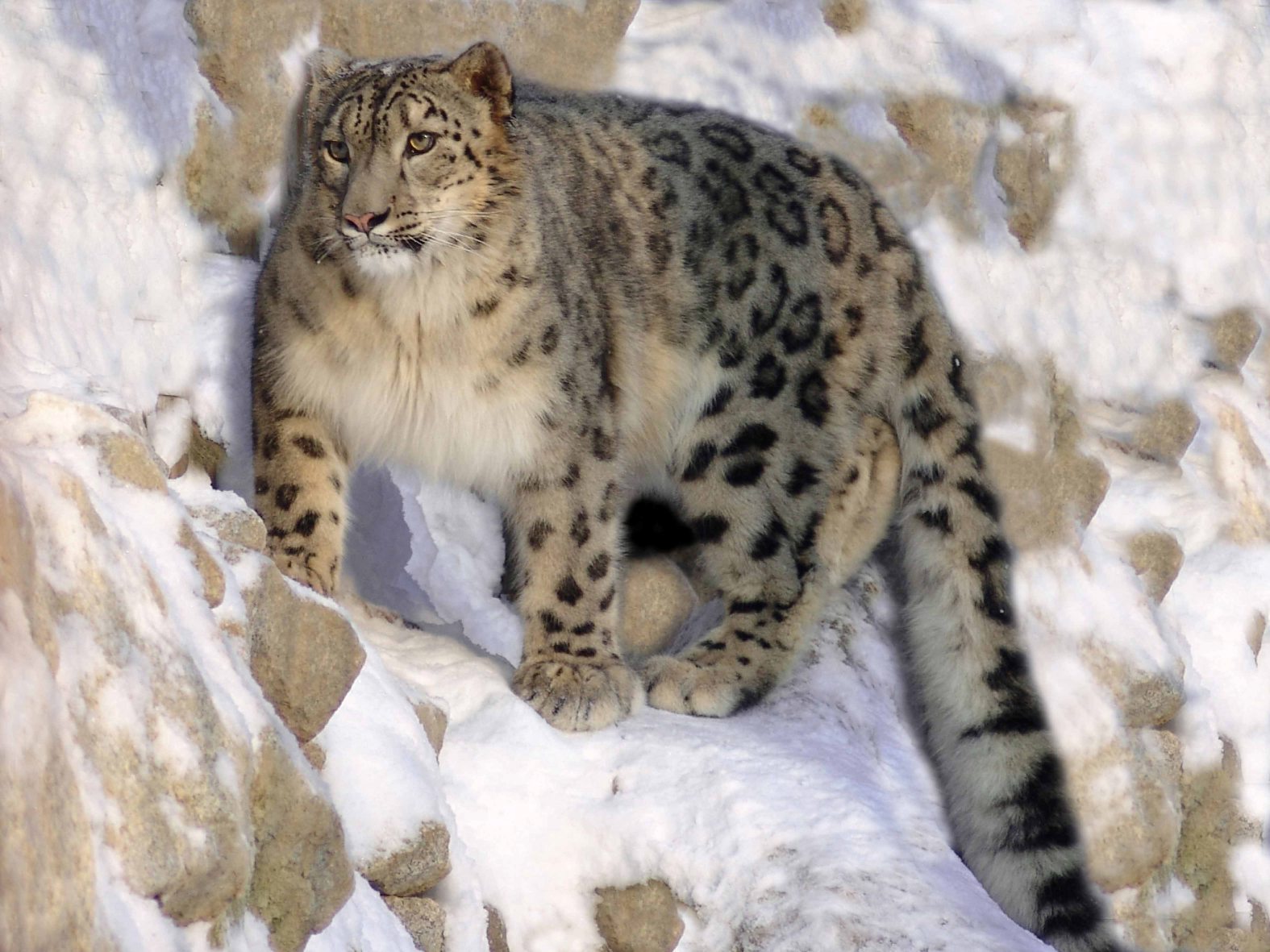
Panthera uncia
Mammal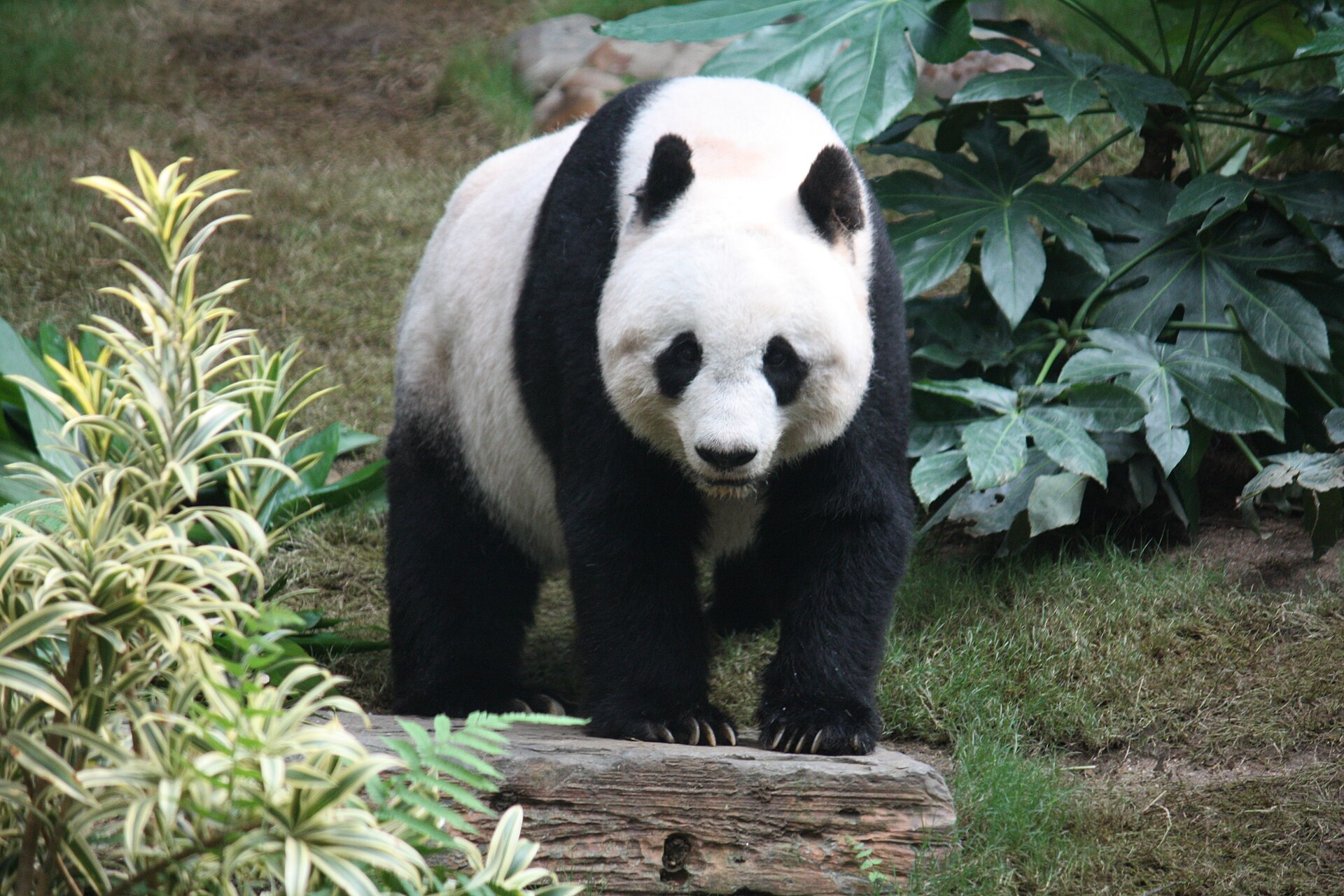
Ailuropoda melanoleuca
Mammal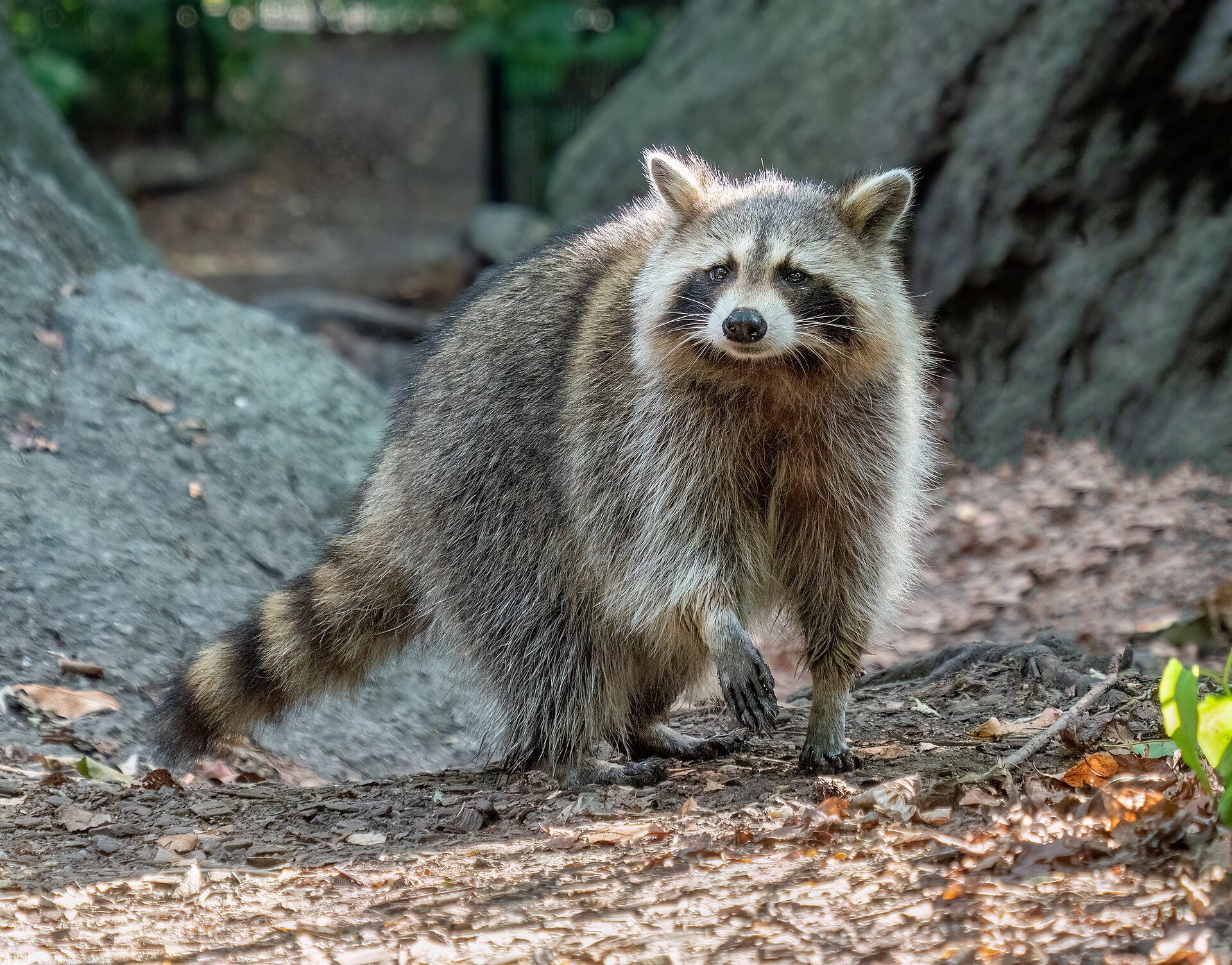
Procyon lotor
Mammal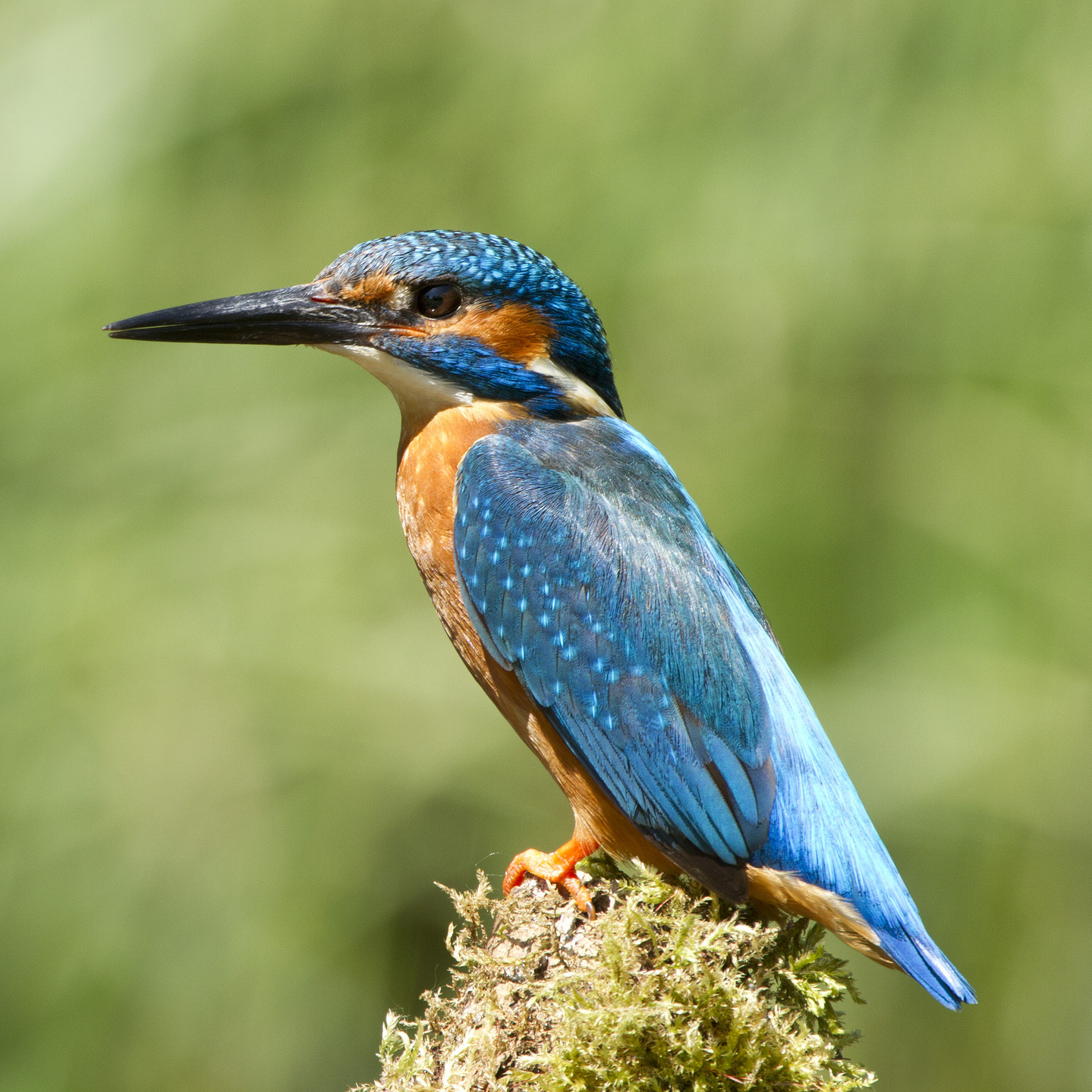
Alcedo atthis
Bird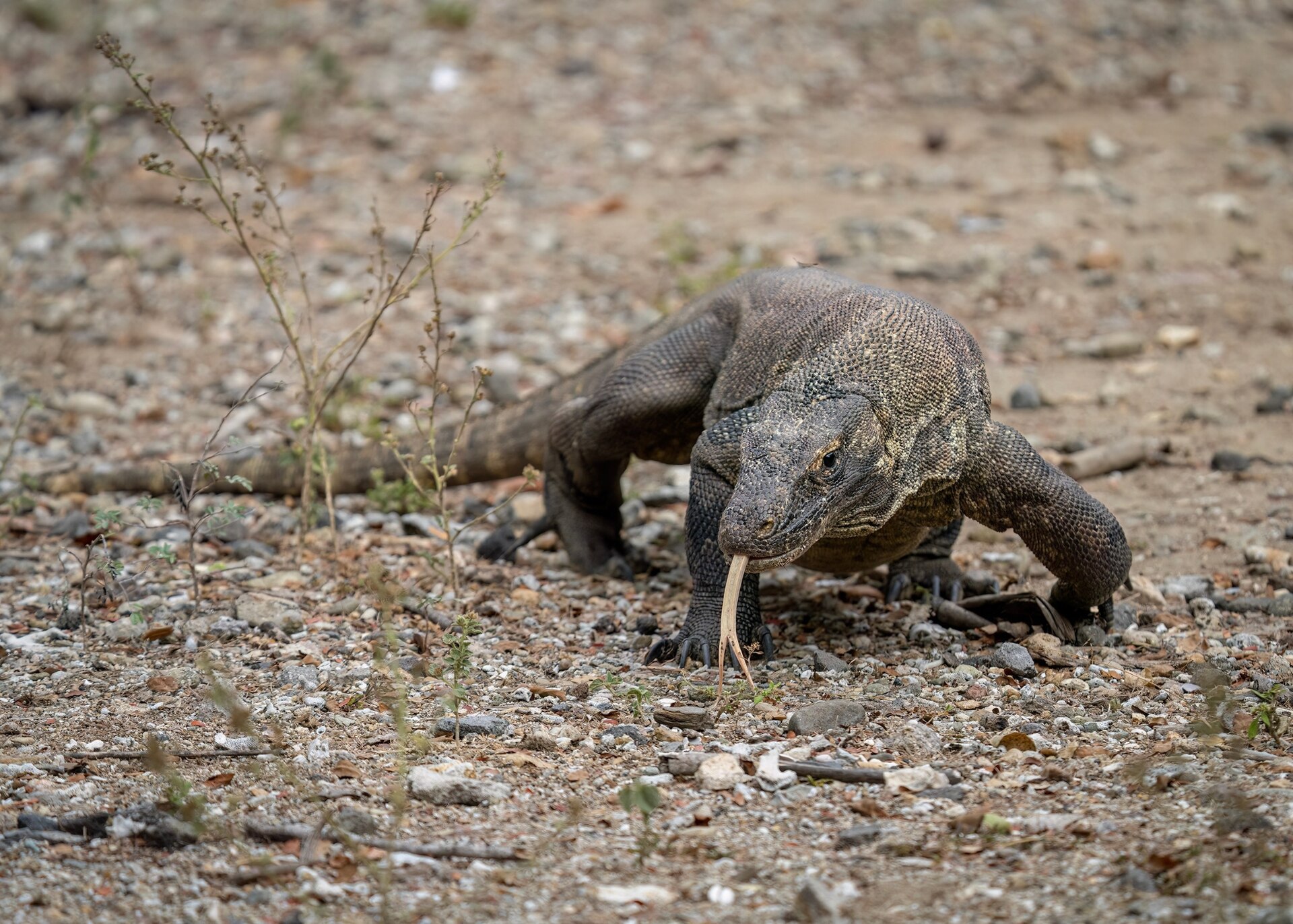
Varanus komodoensis
Reptile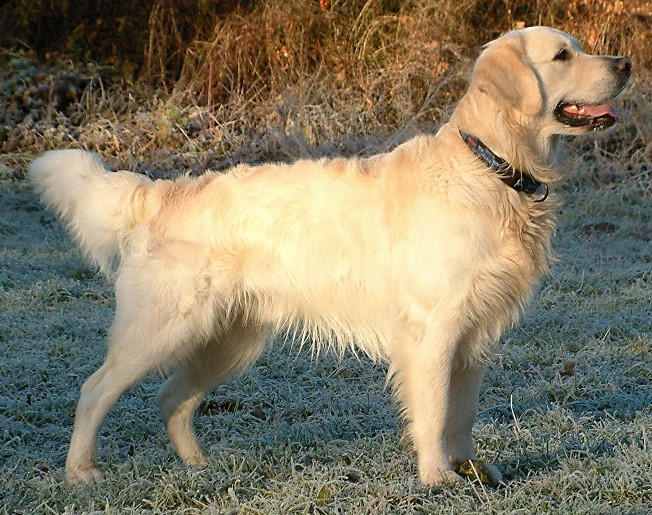
Canis lupus familiaris
Mammal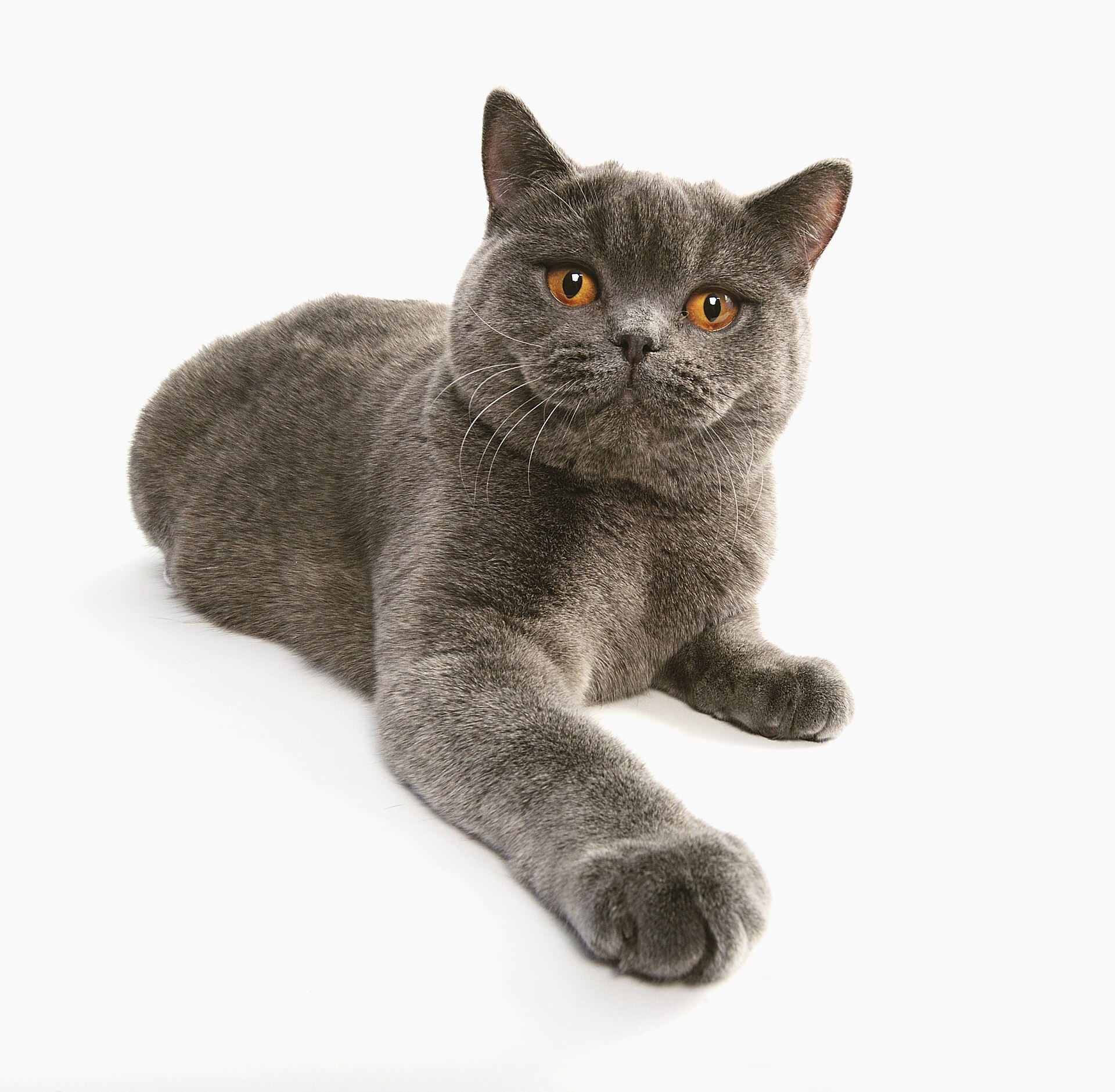
Felis catus
Mammal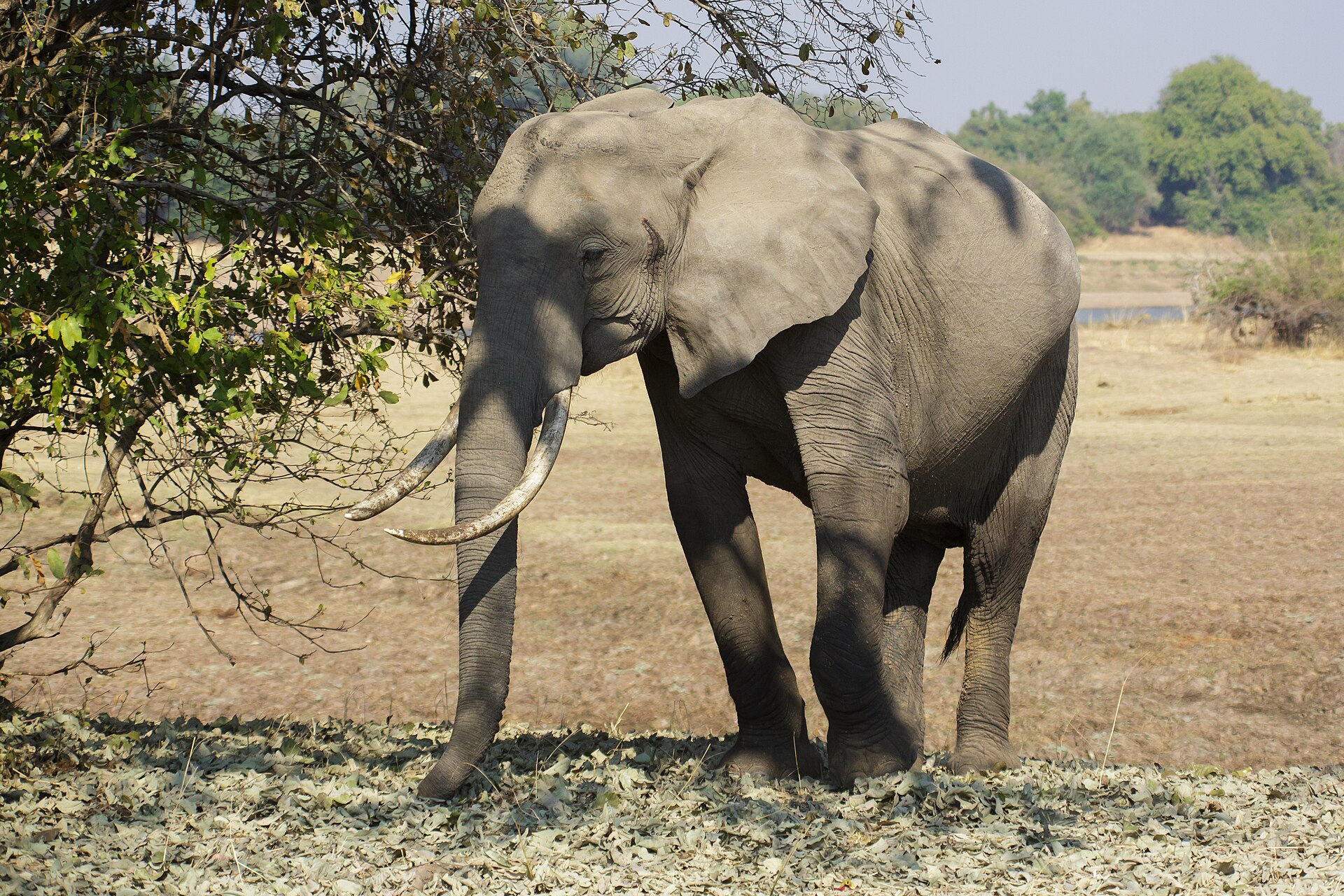
Loxodonta africana
Mammal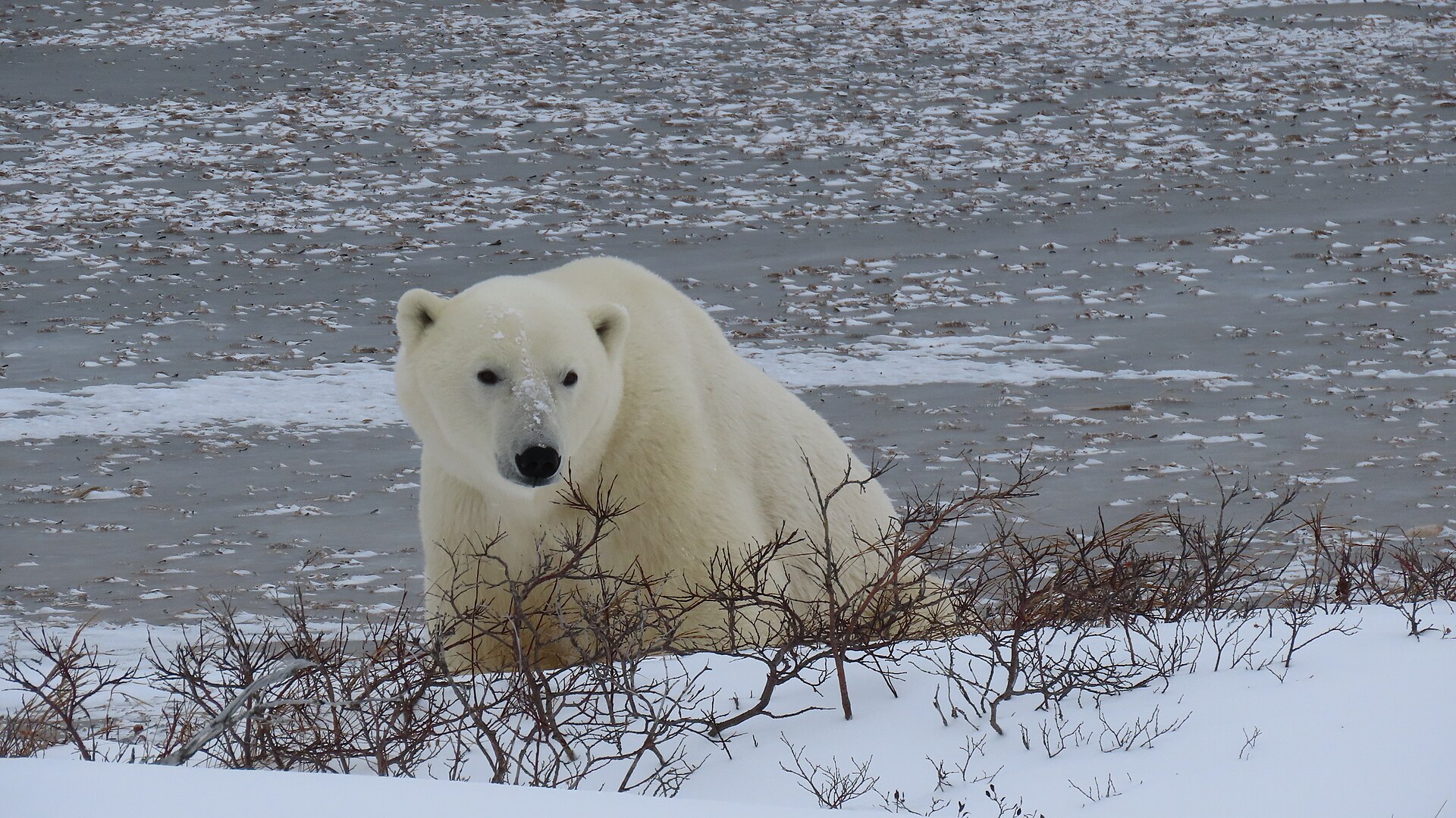
Ursus maritimus
Mammal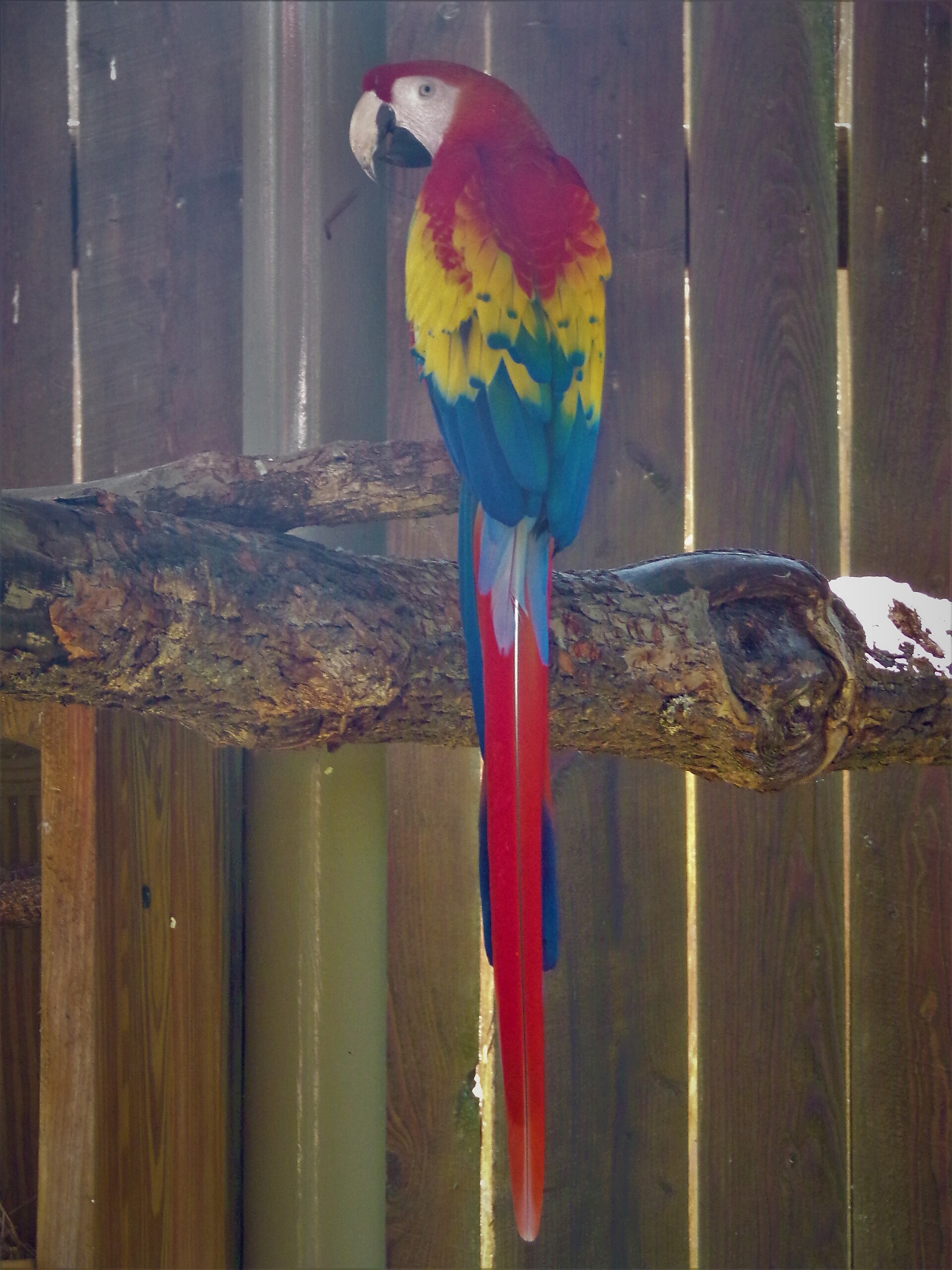
Ara macao
Bird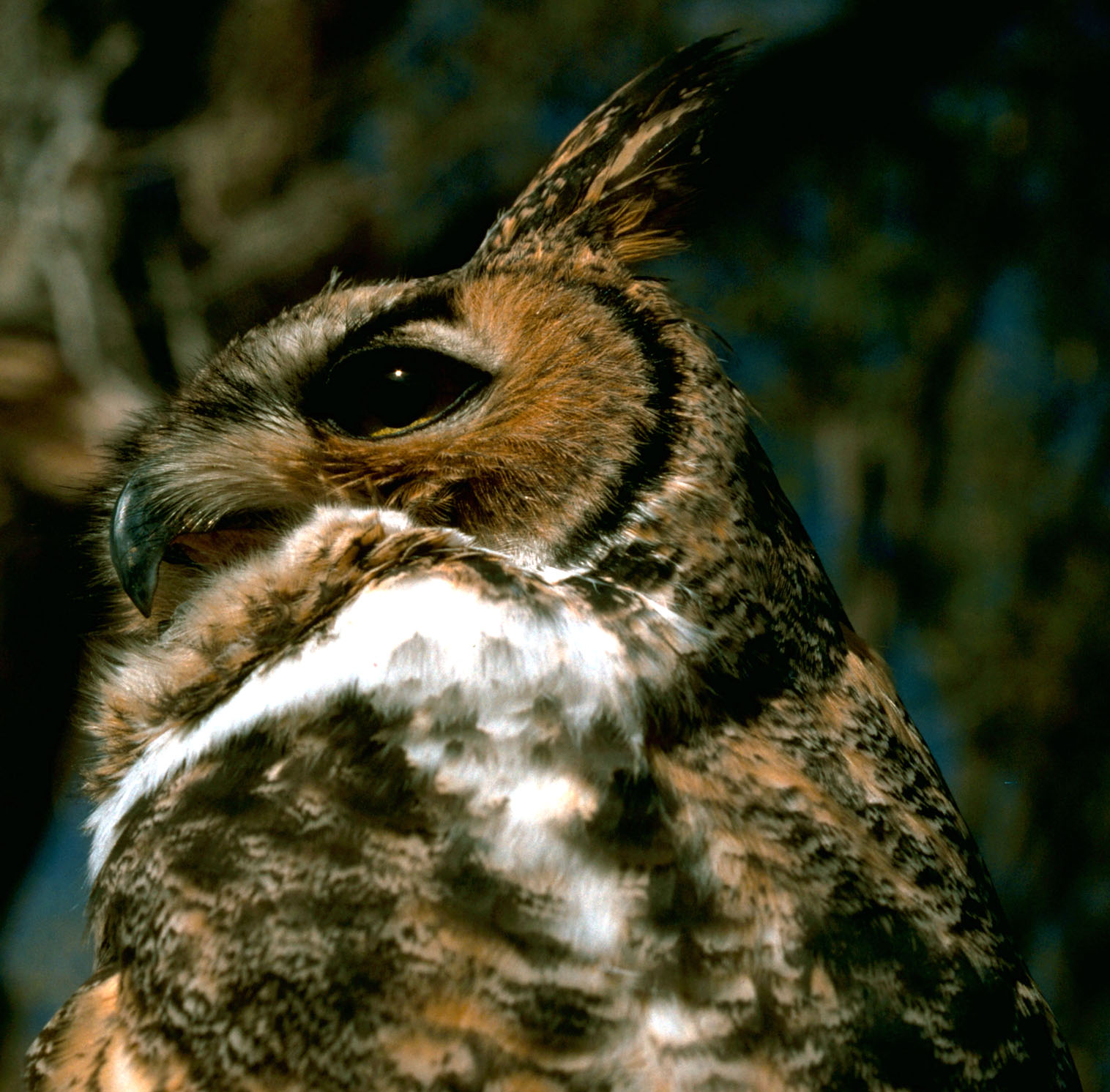
Bubo virginianus
Bird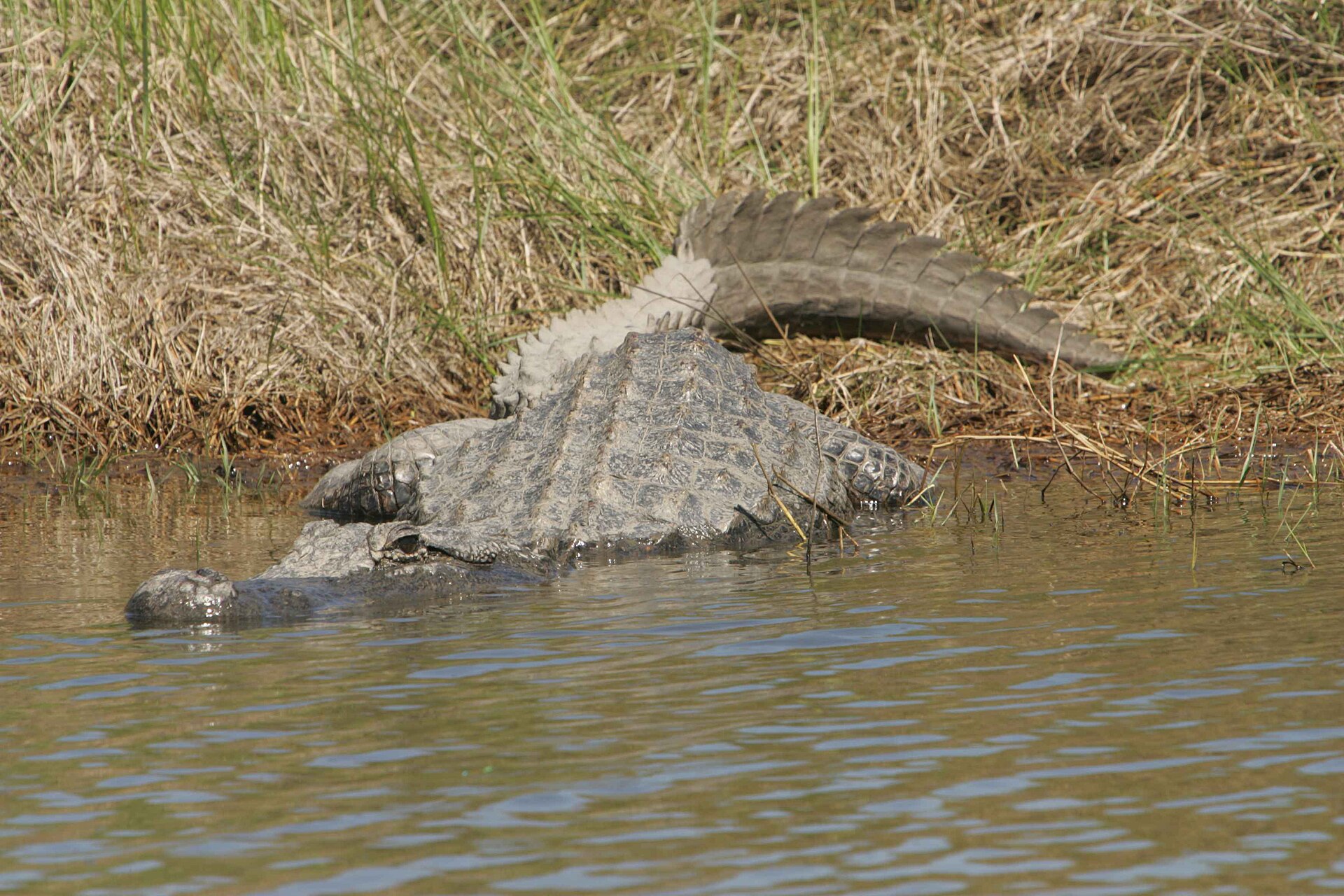
Alligator mississippiensis
Reptile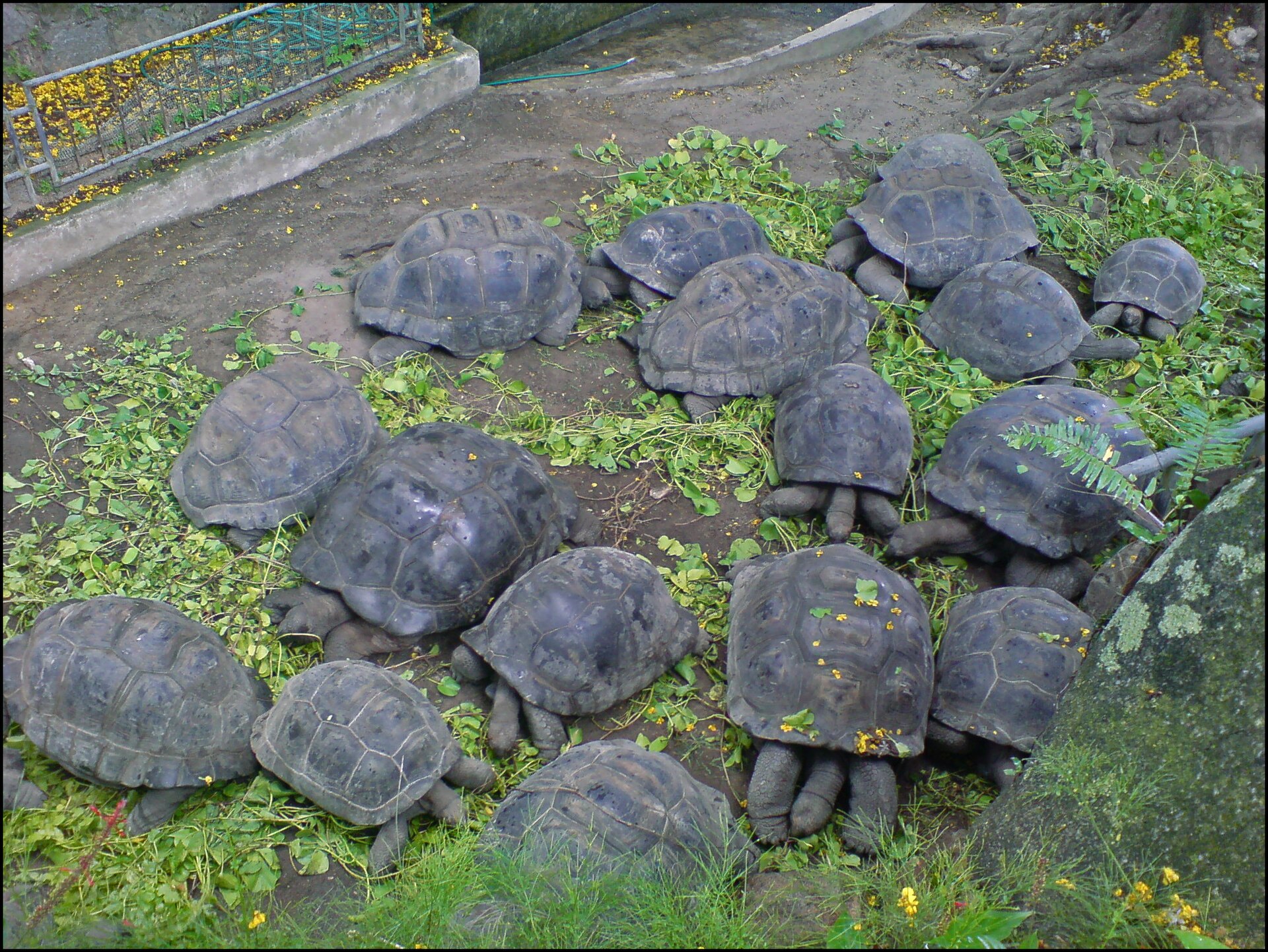
Aldabrachelys gigantea
Reptile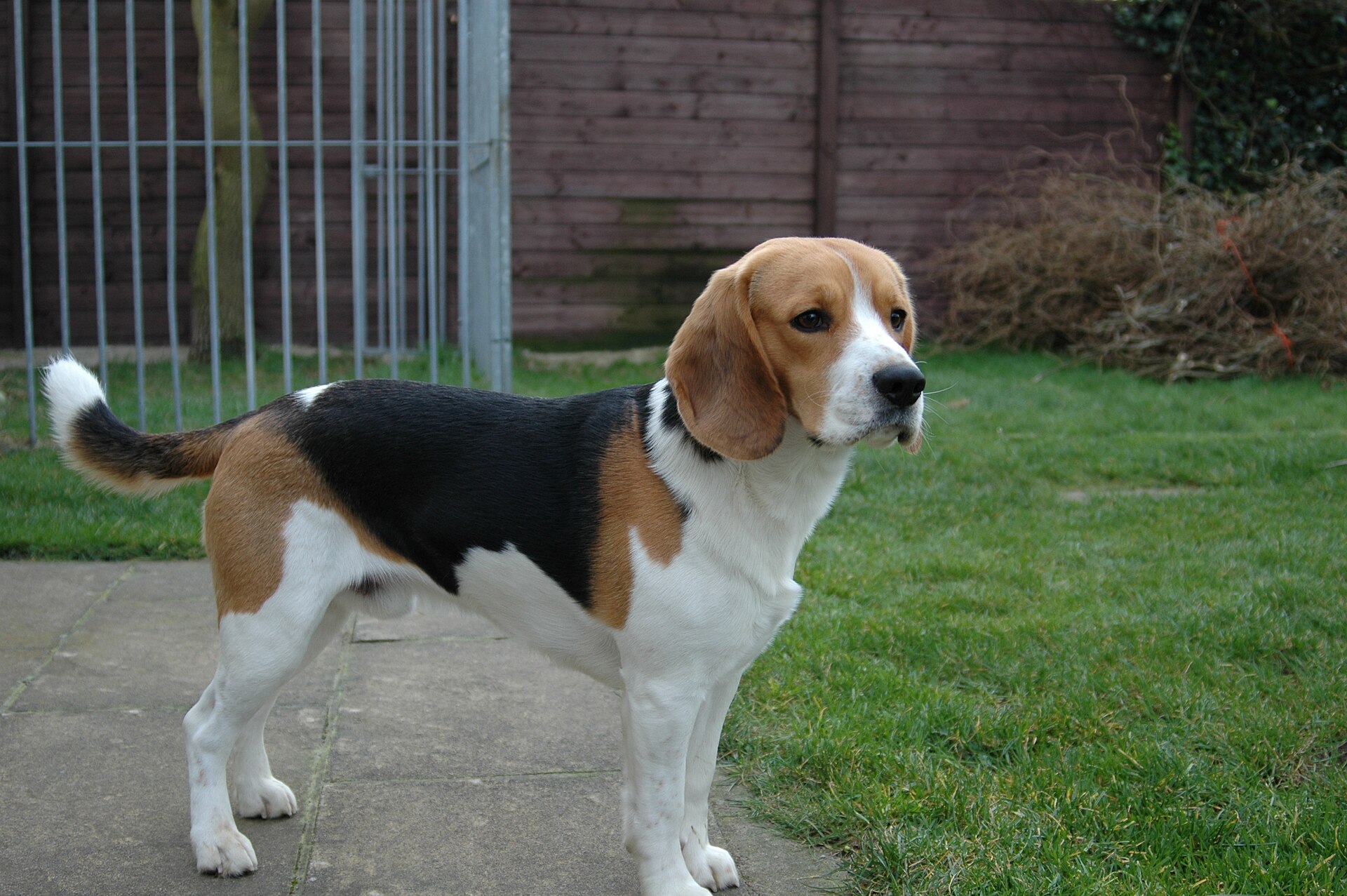
Canis lupus familiaris
Mammal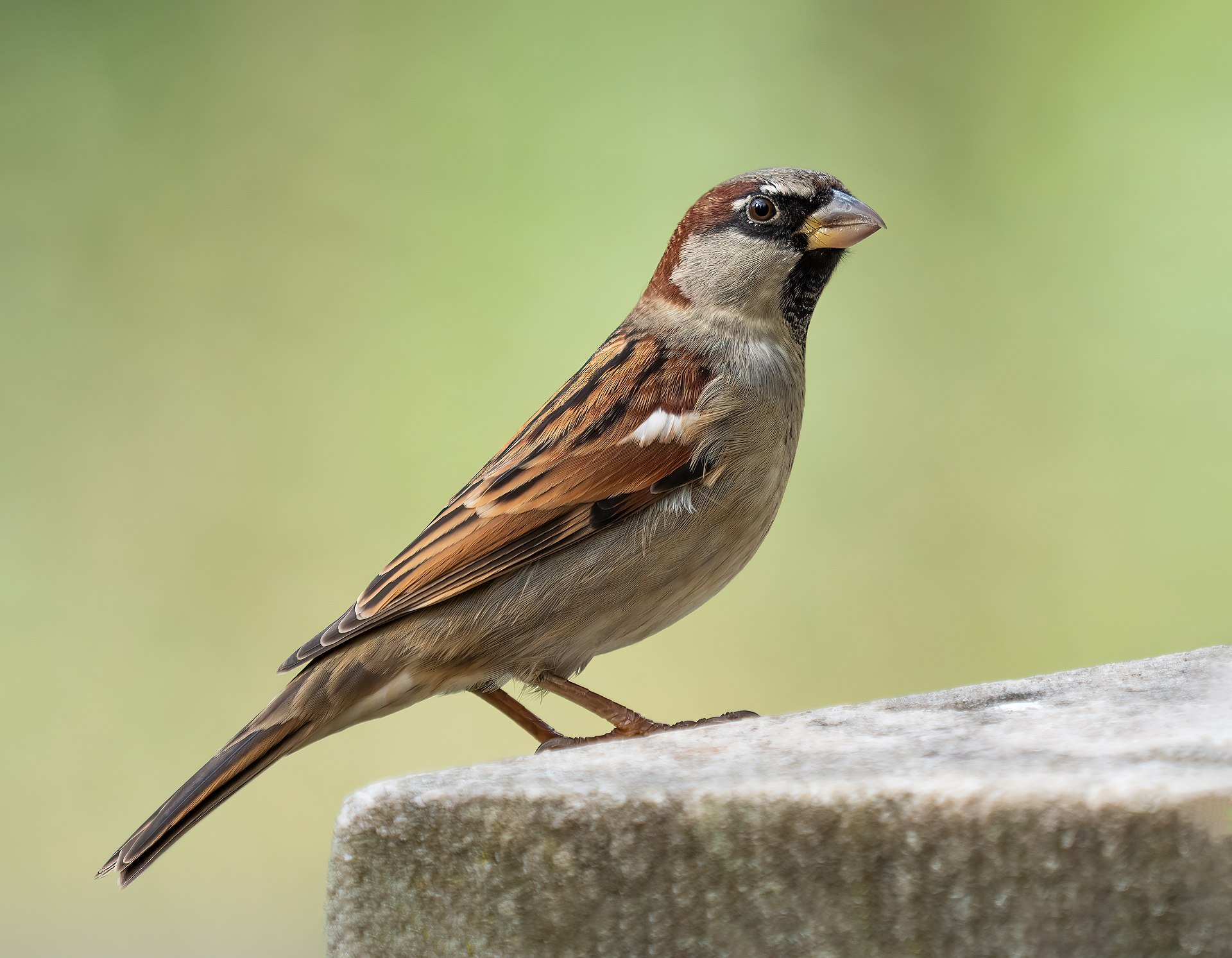
Passer domesticus
Bird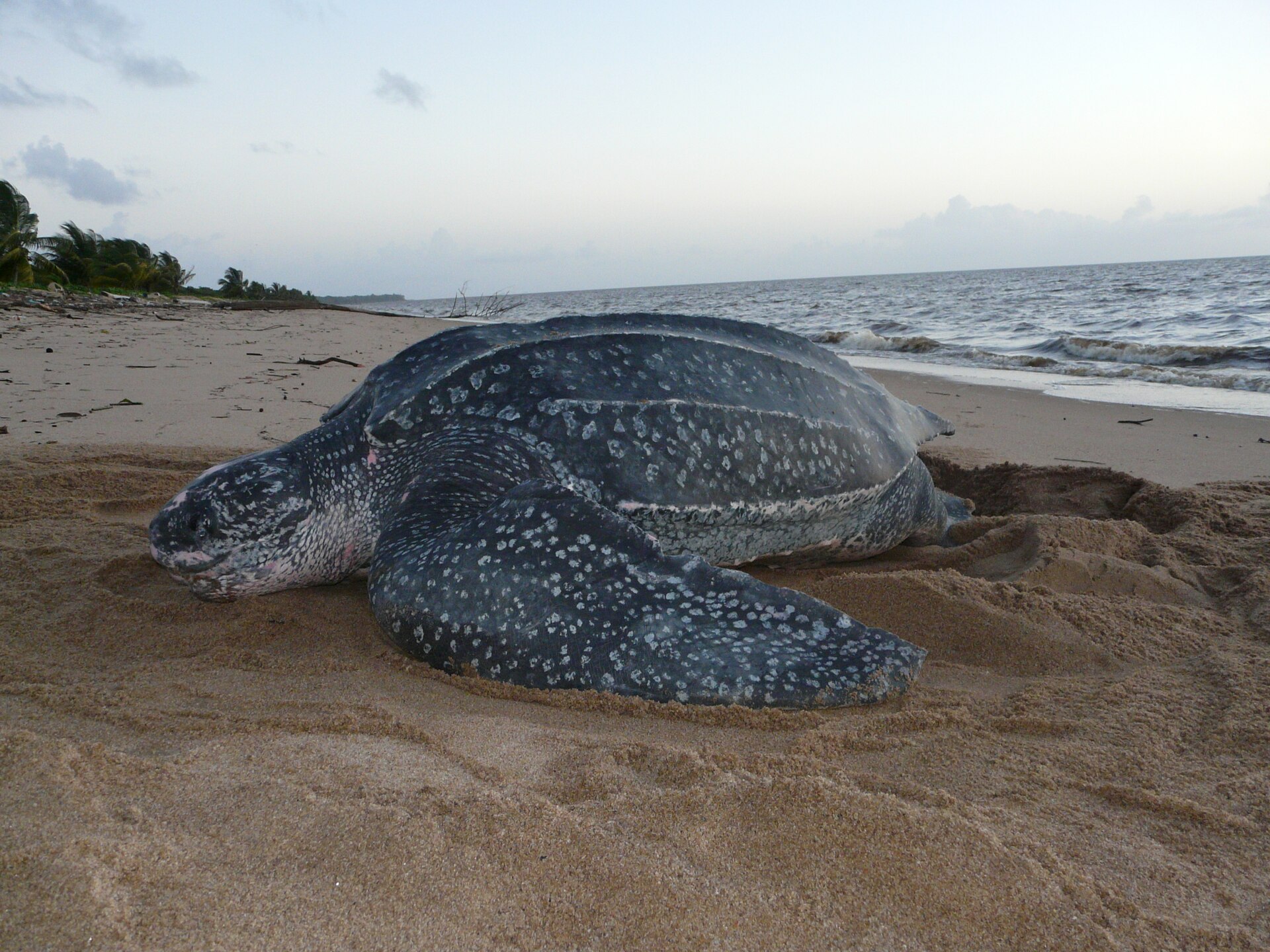
Dermochelys coriacea
Reptile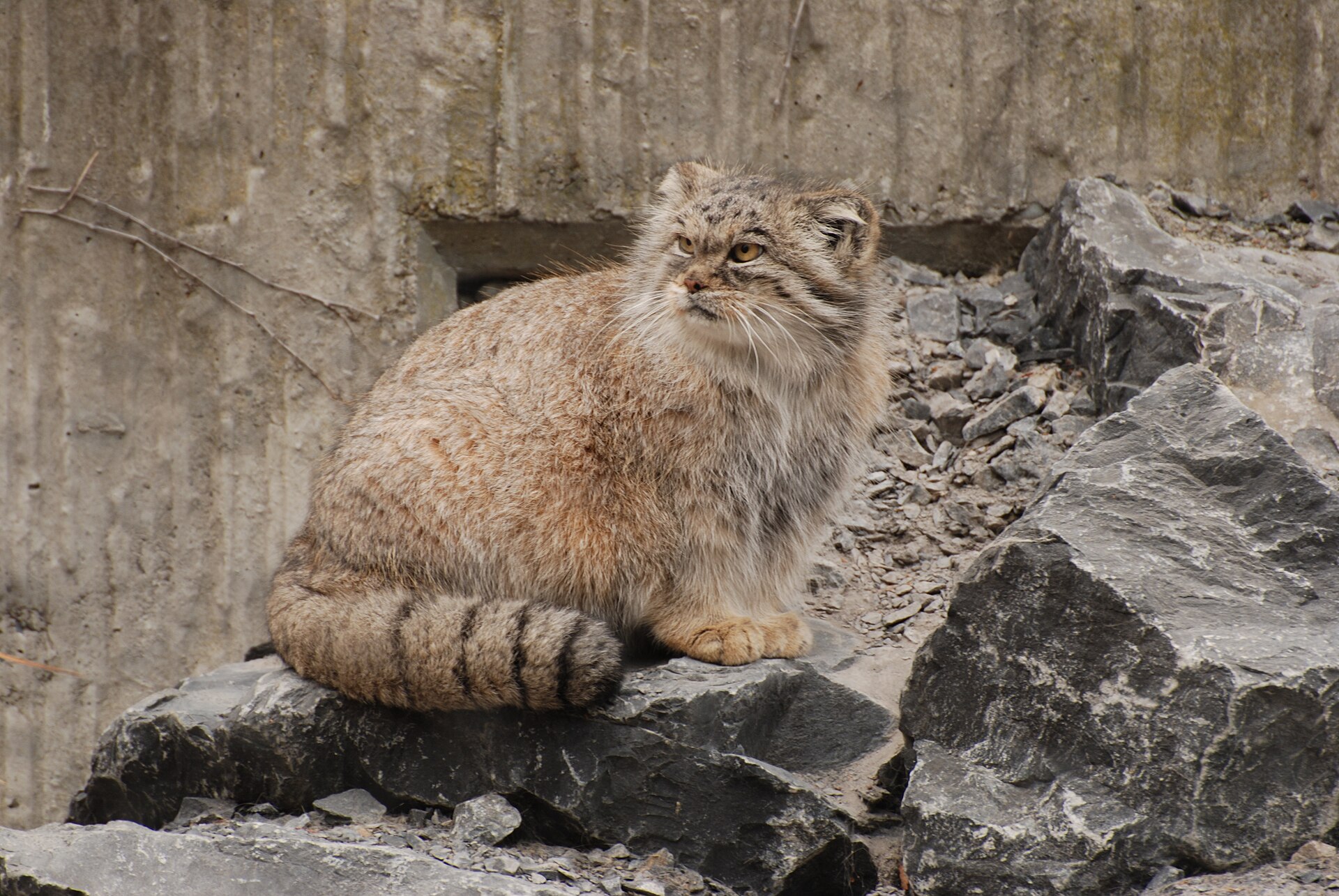
Otocolobus manul
MammalEnter a common name or a scientific name in the search box to narrow the results. You can also search words associated with a profile, such as a habitat or region, when those details are present in the catalog. Use a short, distinctive term first. If a result does not appear, try another accepted name or remove the category filter; names can differ between regional references and taxonomic databases.
The category menu narrows the directory to a broad group. It is useful when you know the kind of animal you want but not its name. Search and category filters can be used together. The result count tells you how many profiles match the current selection, and the page controls divide larger result sets into smaller groups. Clear the filters to return to the full directory.
A profile may describe a species, a subspecies, or a domestic breed. These labels answer different questions. A species is a taxonomic group used to classify organisms. A subspecies is a named population within a species. A breed is a domestic animal population maintained through human selection and breeding. A breed page is not a wild species page, even when the animal shares a scientific name with a broader domestic species.
The scientific name helps connect a common name to a particular taxon, but names and classifications can change as research develops. Breed names can also have formal and everyday versions. When two sources use different names, compare the scientific name, region, and source instead of assuming the entries describe the same animal. If the page does not provide enough detail to resolve the difference, treat the identification as uncertain.
Quick facts help you scan a profile, but a number needs context. Size and weight may vary by age, sex, season, or population. A maximum recorded lifespan is not the expected lifespan for every individual. A region field may name a broad range, while a source describes only one state or country. Read the nearby explanation and the linked source before repeating a figure as a universal fact.
Some fields are absent because the available source did not provide them or because a reliable value was not clear. Missing information is not proof that an animal lacks that trait. For rare or poorly studied species, the best answer can be that a behaviour, prey species, or population size remains unknown. Profiles should make that limit visible instead of filling the gap with a guess.
Open the source list at the bottom of a profile to see references used for its facts. Official wildlife agencies, taxonomic databases, specialist groups, and peer-reviewed research answer different kinds of questions. A source may establish a name or range without supporting every detail on a page. Check the reference closest to the claim you want to verify, and note its date and geographic scope.
Animal records can change. A scientific name may be revised, conservation status may be reassessed, and regional guidance may be updated. The source links let you check the evidence directly. If sources disagree, consider whether they refer to different regions, populations, taxonomic treatments, or publication dates. We aim to describe those limits instead of silently choosing a confident-sounding answer.
Profile photographs include a creator credit and a license or public-domain statement. Follow the image-record link to check the original file, creator details, and any changes such as cropping. A credit line is not a blanket permission to reuse an image. Before copying or publishing it, read the linked license and meet its requirements, including attribution or share-alike terms where they apply.
A photograph may show one individual, one colour form, or one life stage. It can help readers recognize an animal, but it cannot represent every member of a species or breed. Captions and image alt text describe what is visible in that particular photograph; the written profile provides broader context. If an image appears to show a different animal from its caption, send a correction with the image link and evidence.
Use the directory when you want to compare names, classes, regions, or habitats. Use the random animal picker when you want the site to choose a profile for you. Both paths lead into the same animal catalog, so a random result can become a starting point for exploring related categories and similar animals. You do not need an account to browse real-animal profiles or use the basic picker.
The site also offers a separate AI artwork creator with optional account features. That creator is a different product from the free real-animal picker. Its account and membership details are explained on the relevant creator and pricing pages. A directory result does not imply that an animal is available as an AI component, and the animal facts are not generated by the artwork tool.
If you find an outdated name, a questionable fact, a broken source, or an attribution problem, use the correction form on the animal profile. Include a reliable source that supports the proposed change. A precise note helps us compare the claim and the evidence. For a sighting or location correction, include the region and date when you can share them safely.
Suggestions are reviewed before they change a public profile. A submission is not an instant edit, and a link by itself may not establish that a claim is correct. Do not include personal or sensitive information in a correction. For general questions, use the contact page; for details about source and image review, read the editorial policy.