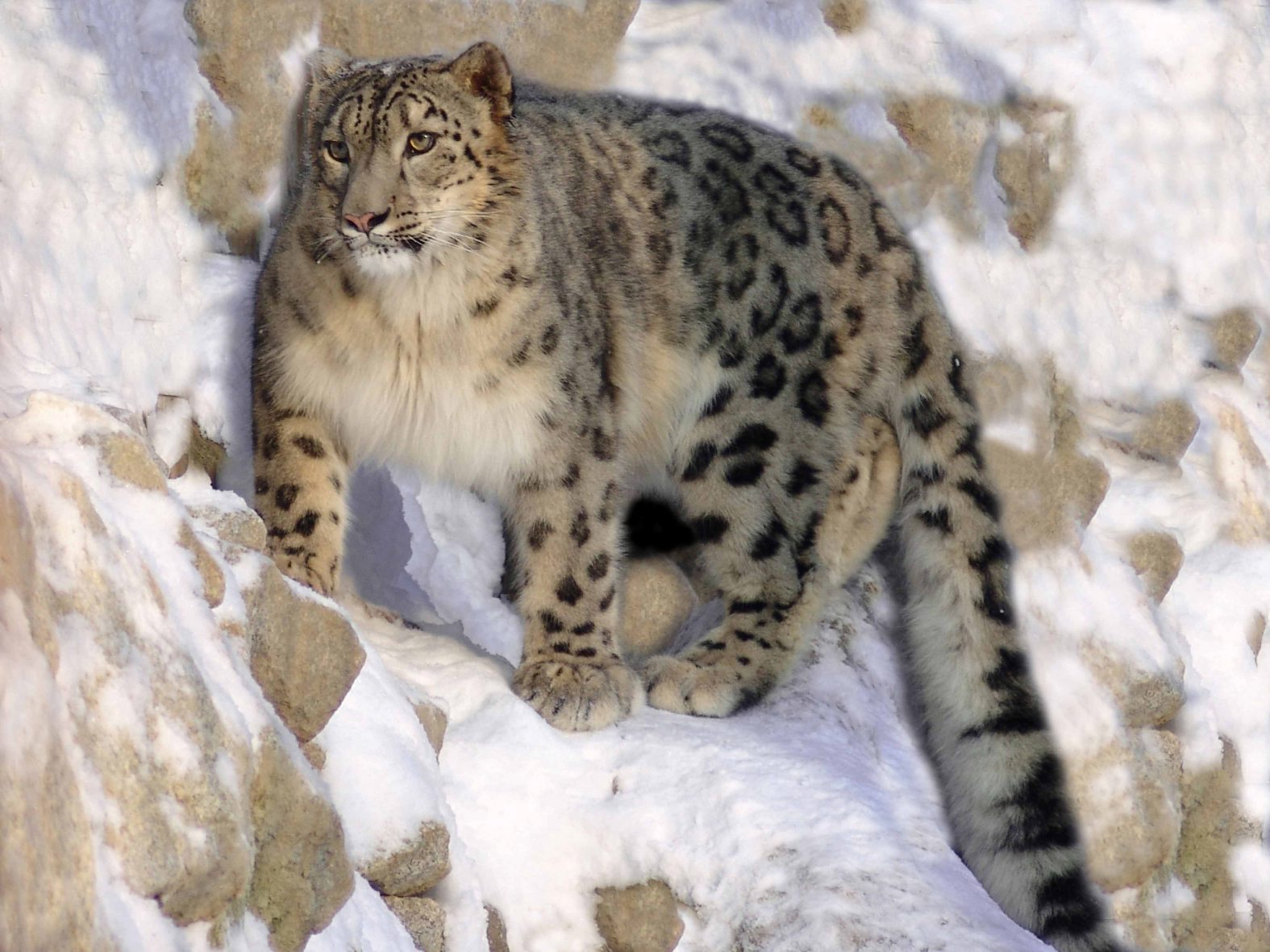
Snow Leopard Facts Panthera uncia
Snow leopards are elusive cats adapted to the cold, rocky mountains of Central and South Asia. Broad paws and powerful hind legs help them cross steep slopes and deep snow.
- Habitat
- Mountain
- Diet
- Wild sheep, goats, marmots, and hares
- Lifespan
- 15–18 years
Classification
Family: Felidae. Order: Carnivora.
Snow Leopard Habitat
Snow Leopards live in Mountain and Alpine habitats. Their recorded range includes Central and South Asia. Suitable food, shelter, and conditions for raising young help shape that range.
What Do Snow Leopards Eat?
Diet classification: Carnivore. Recorded foods: Wild sheep, goats, marmots, and hares.
Snow Leopard Lifespan, Size, and Weight
Recorded lifespan: 15–18 years. Recorded size: 90–115 cm. Recorded weight: 22–55 kg.
Snow Leopard Conservation Status
Snow Leopard is listed here as Vulnerable. Protecting habitat, maintaining healthy prey or food sources, and reducing human pressure are important parts of conserving wild populations.
Quick facts
- Region
- Central and South Asia
- Habitat
- Mountain, Alpine
- Diet
- Carnivore
- Lifespan
- 15–18 years
- Size
- 90–115 cm
- Weight
- 22–55 kg
Fun facts
- Their wide paws distribute weight like natural snowshoes.
- A long, thick tail provides balance and can wrap around the body for warmth.
- They cannot roar like lions, but communicate with yowls, growls, and chuffs.
- Large nasal passages help warm cold mountain air before it reaches the lungs.
Explore related categories
Discover more with the random animal generator or browse all animal profiles.
Similar animals
Explore nearby branches of the animal world.
Ready for another discovery?
The animal kingdom is full of surprises.
Sources and image credit
Animal facts are reviewed against the references below. The photograph remains available under the stated license.