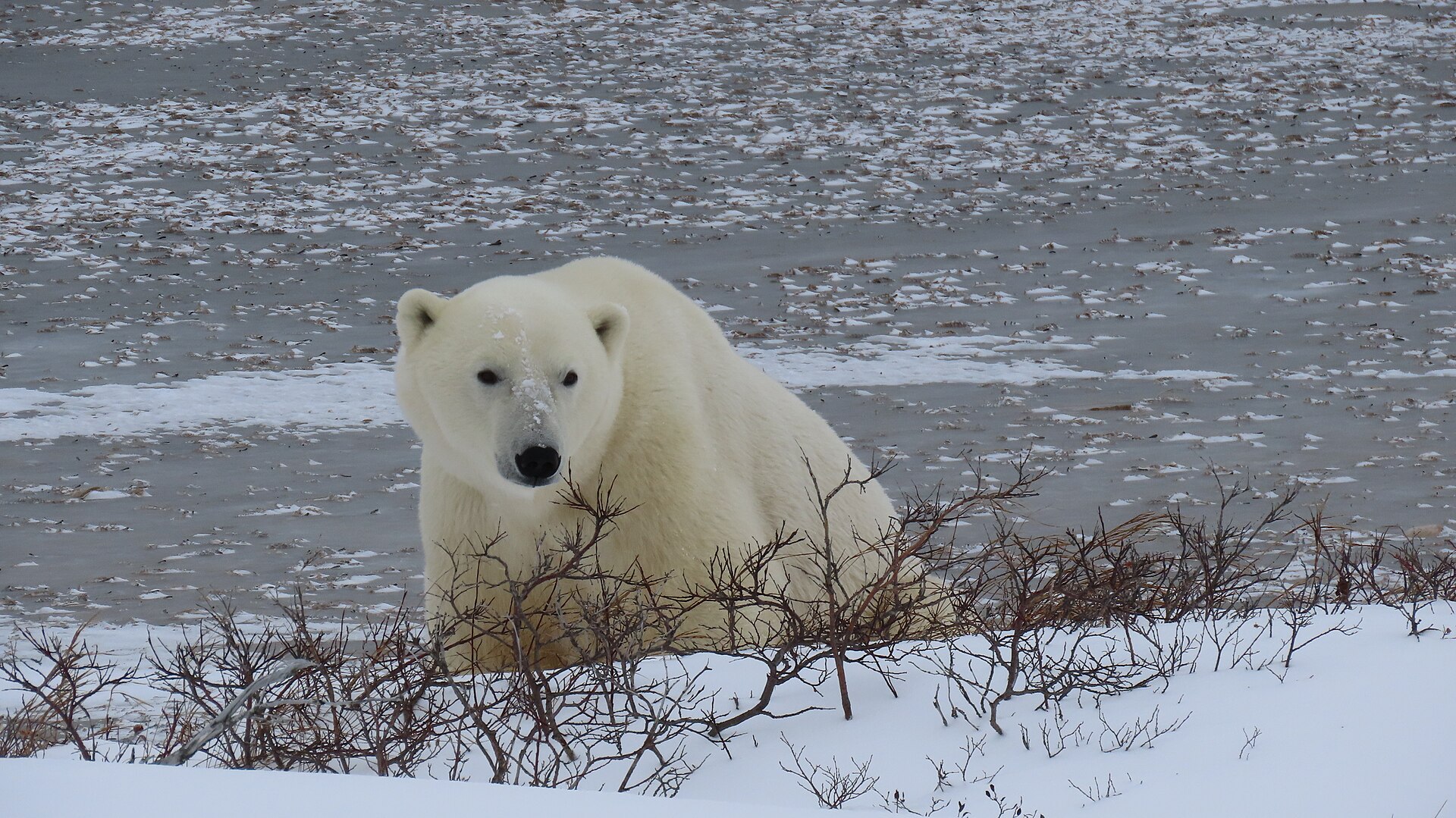
Polar Bear Facts Ursus maritimus
Polar bears are sea-ice specialists of the Arctic and the largest living bear species. They depend on frozen ocean platforms to hunt seals, travel, and reach seasonal feeding areas.
- Habitat
- Polar
- Diet
- Primarily ringed and bearded seals
- Lifespan
- 25–30 years
Classification
Family: Ursidae. Order: Carnivora.
Polar Bear Habitat
Polar Bears live in Polar and Marine and Coastal habitats. Their recorded range includes Arctic. Suitable food, shelter, and conditions for raising young help shape that range.
What Do Polar Bears Eat?
Diet classification: Carnivore. Recorded foods: Primarily ringed and bearded seals.
Polar Bear Lifespan, Size, and Weight
Recorded lifespan: 25–30 years. Recorded size: 180–250 cm. Recorded weight: 150–800 kg.
Polar Bear Conservation Status
Polar Bear is listed here as Vulnerable. Protecting habitat, maintaining healthy prey or food sources, and reducing human pressure are important parts of conserving wild populations.
Quick facts
- Region
- Arctic
- Habitat
- Polar, Marine, Coastal
- Diet
- Carnivore
- Lifespan
- 25–30 years
- Size
- 180–250 cm
- Weight
- 150–800 kg
Fun facts
- Black skin beneath translucent fur helps absorb solar warmth.
- Broad, furred paws spread body weight on ice and act like paddles while swimming.
- A powerful sense of smell can detect seals hidden beneath snow and ice.
- Pregnant females shelter in snow dens while other polar bears remain active through winter.
Explore related categories
Discover more with the random animal generator or browse all animal profiles.
Similar animals
Explore nearby branches of the animal world.
Ready for another discovery?
The animal kingdom is full of surprises.
Sources and image credit
Animal facts are reviewed against the references below. The photograph remains available under the stated license.