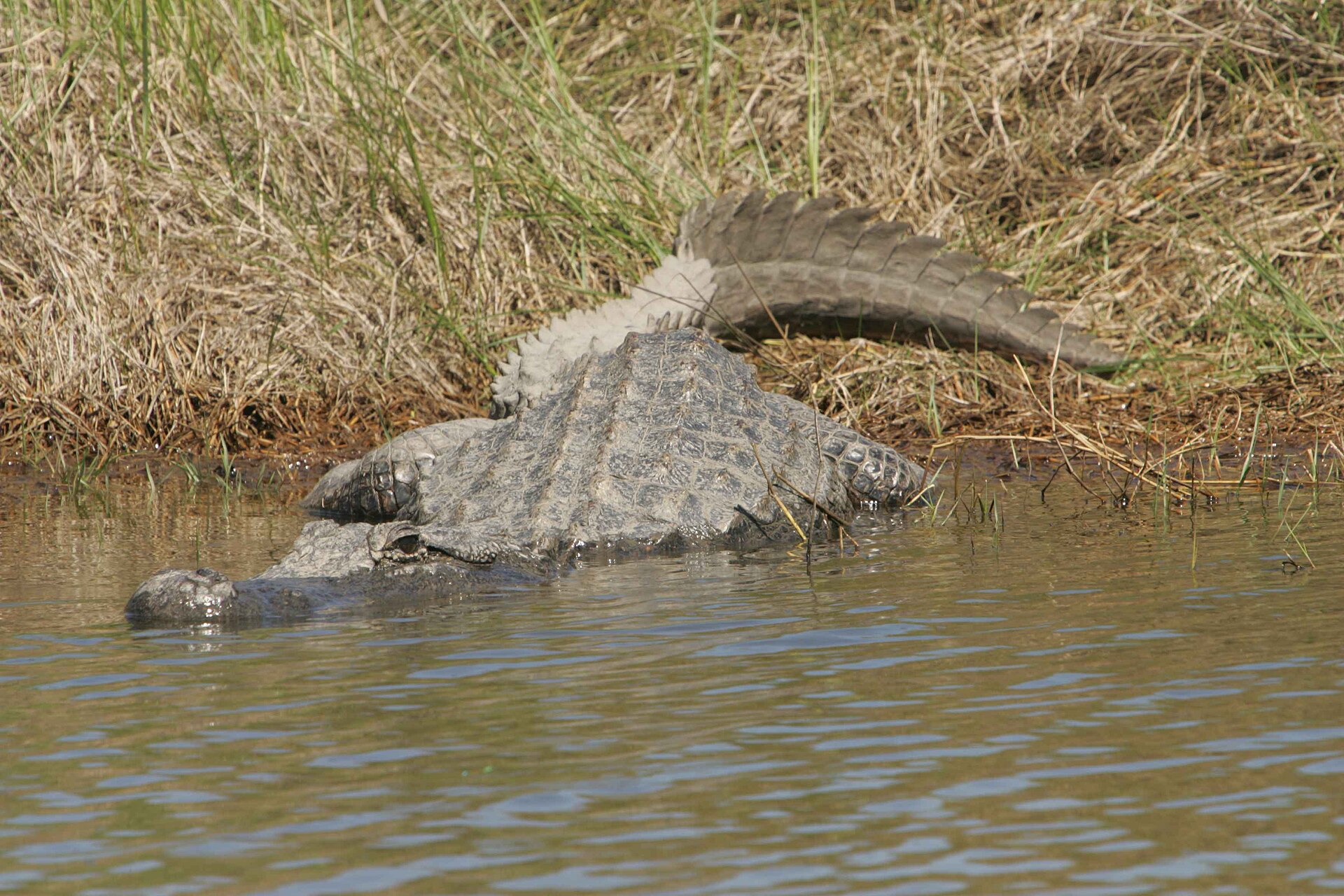
American Alligator Facts Alligator mississippiensis
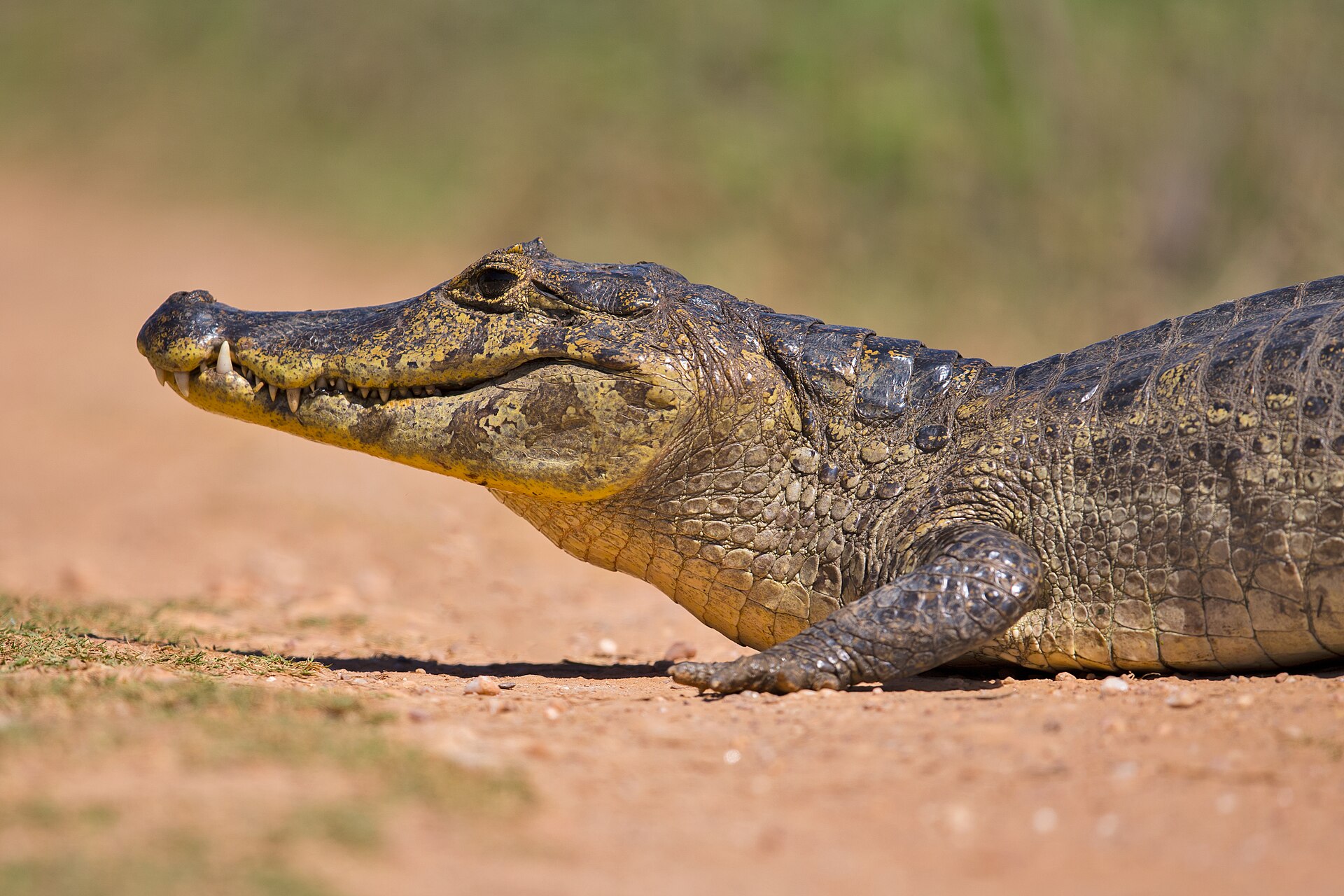
American alligators are large crocodilians native to wetlands of the southeastern United States. Their ponds and nesting mounds can create shelter and habitat for other wetland species.
- Habitat
- Freshwater
- Diet
- Fish, turtles, birds, mammals, and other aquatic prey
- Lifespan
- 20–30 years in the wild; up to about 50 years in captivity
Classification
Family: Alligatoridae. Order: Crocodilia.
American Alligator Habitat
American Alligators live in Freshwater and Wetland habitats. Their recorded range includes Southeastern United States. Suitable food, shelter, and conditions for raising young help shape that range.
What Do American Alligators Eat?
Diet classification: Carnivore. Recorded foods: Fish, turtles, birds, mammals, and other aquatic prey.
American Alligator Lifespan, Size, and Weight
Recorded lifespan: 20–30 years in the wild; up to about 50 years in captivity. Recorded size: 260–460 cm. Recorded weight: 90–450 kg.
American Alligator Conservation Status
American Alligator is listed here as Least Concern. Protecting habitat, maintaining healthy prey or food sources, and reducing human pressure are important parts of conserving wild populations.
Quick facts
- Region
- Southeastern United States
- Habitat
- Freshwater, Wetland
- Diet
- Carnivore
- Lifespan
- 20–30 years in the wild; up to about 50 years in captivity
- Size
- 260–460 cm
- Weight
- 90–450 kg
Fun facts
- The sex of hatchlings is influenced by the temperature of the nest during incubation.
- Adults can survive cold spells by resting with their nostrils above freezing water.
- Alligator holes retain water during dry periods and provide refuges for other wildlife.
- Mothers guard nests and may carry newly hatched young gently in their jaws.
Explore related categories
Discover more with the random animal generator or browse all animal profiles.
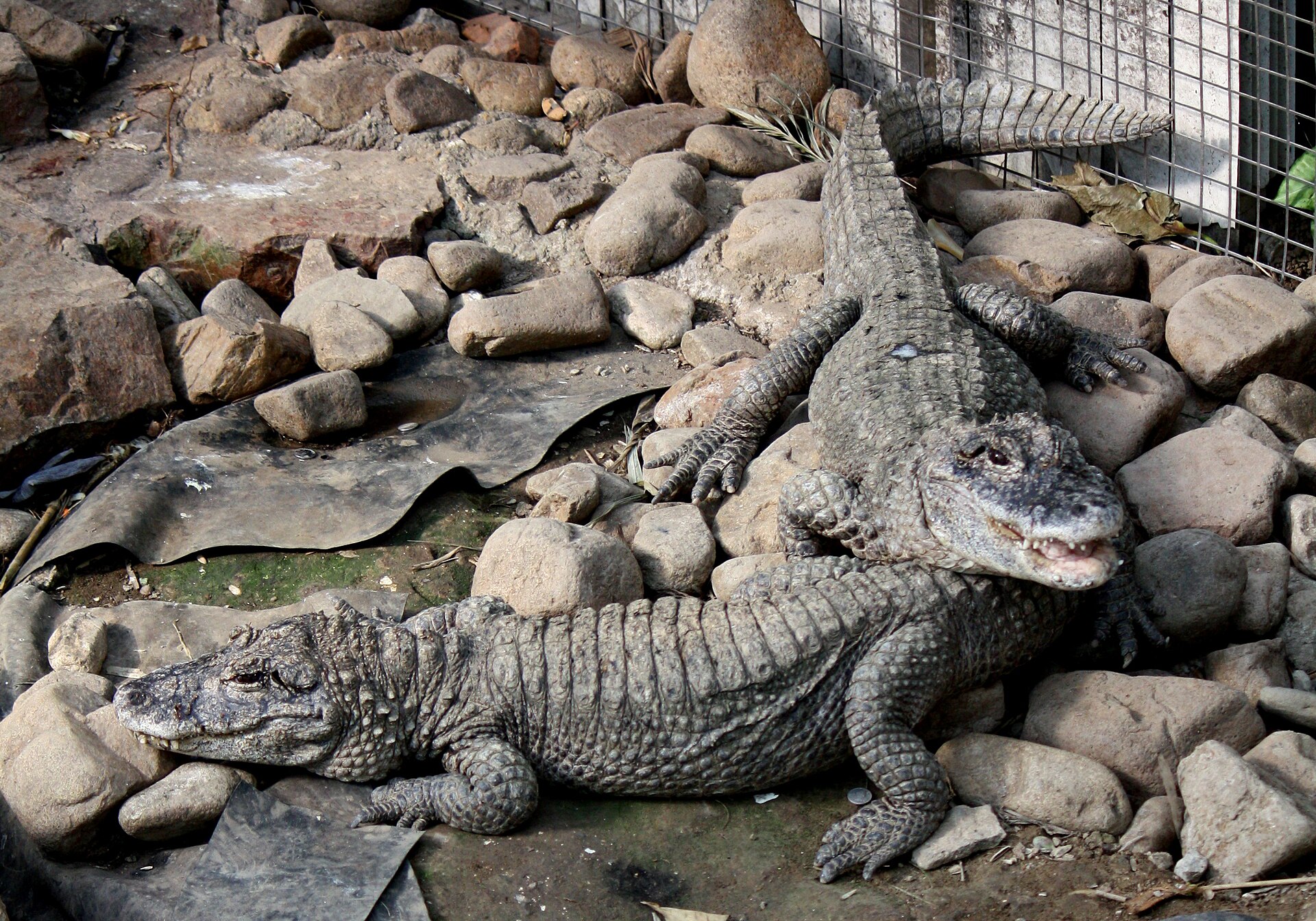
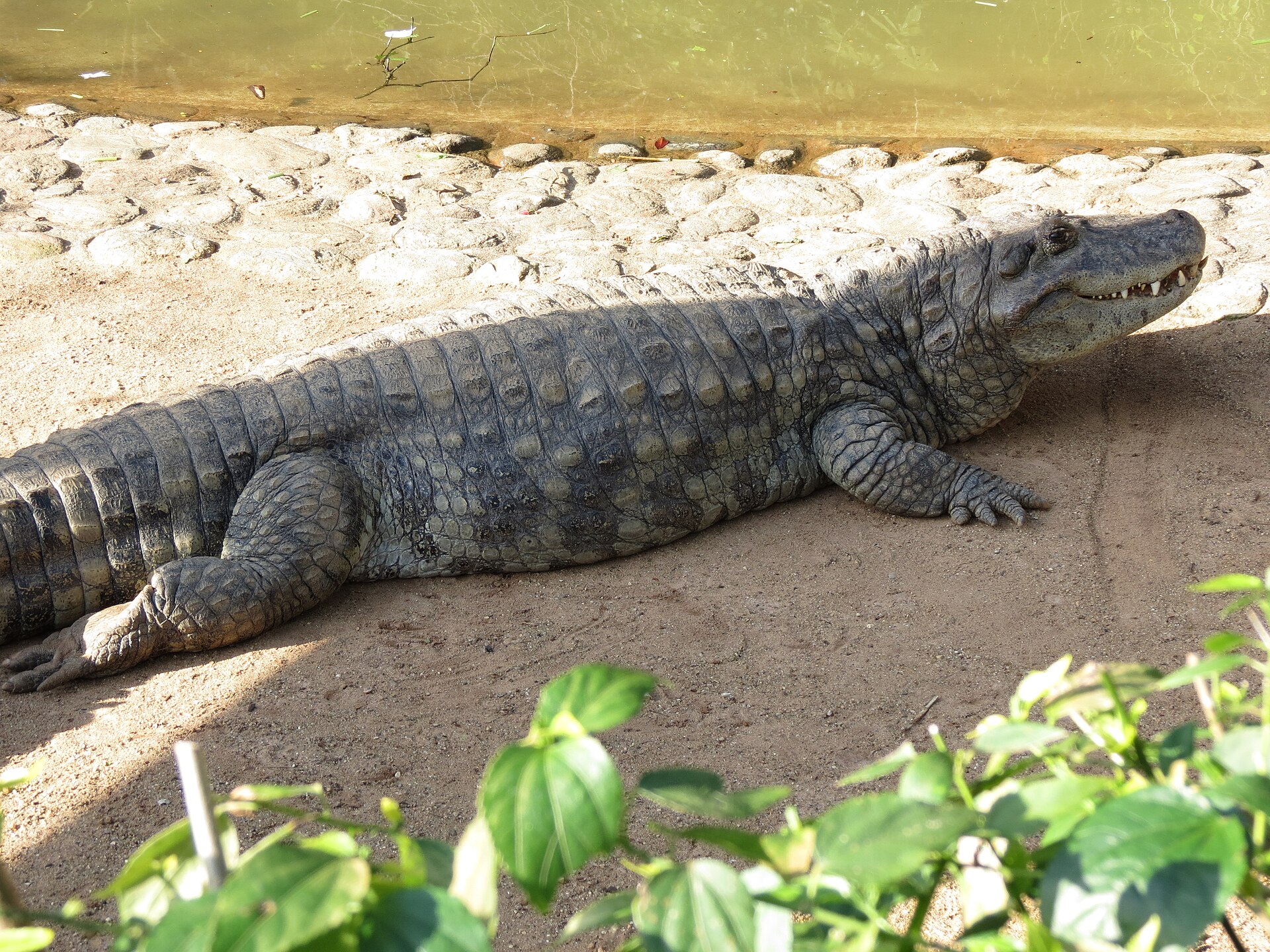
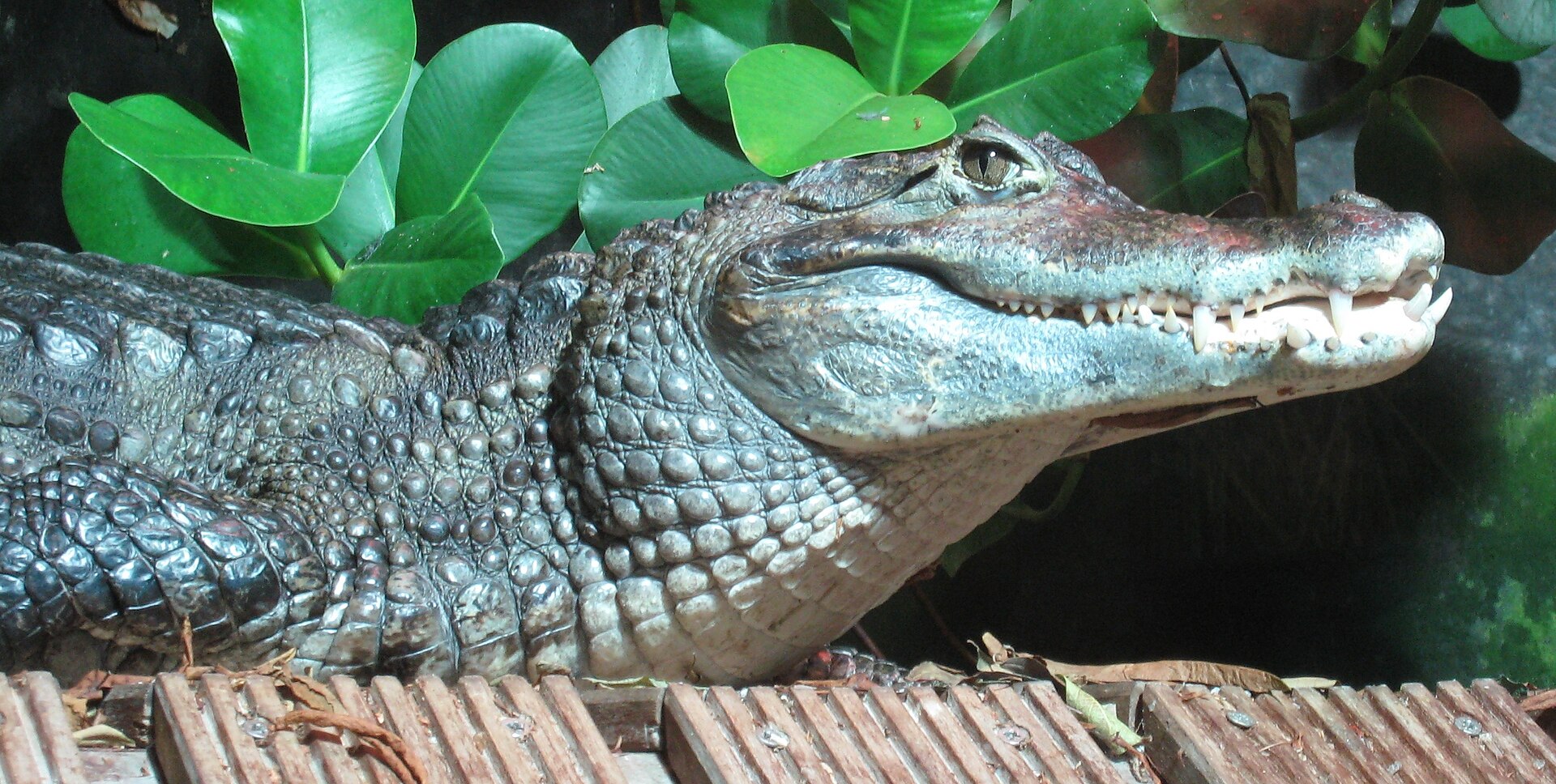
Similar animals
Explore nearby branches of the animal world.
Ready for another discovery?
The animal kingdom is full of surprises.
Sources and image credit
Animal facts are reviewed against the references below. The photograph remains available under the stated license.