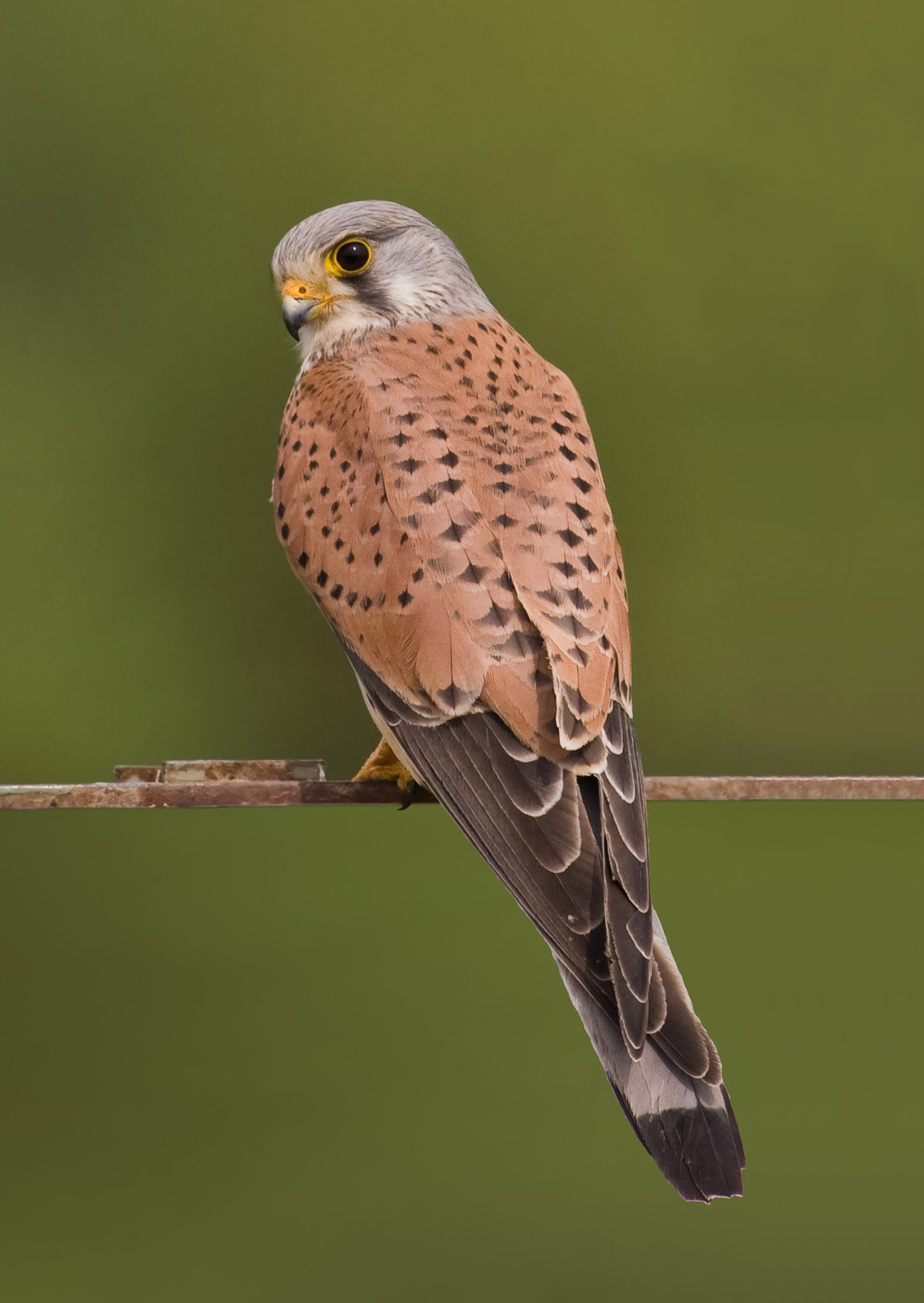
Common Kestrel Facts Falco tinnunculus
The common kestrel (Falco tinnunculus), also known as the European kestrel, Eurasian kestrel or Old World kestrel, is a species of predatory bird belonging to the kestrel group of the falcon family Falconidae. In the United Kingdom, where no other kestrel species commonly occurs, it is generally just called the "kestrel".
- Diet
- It will thrive in treeless steppe where there are abundant herbaceous plants and shrubs to support a population of prey animals.
- Lifespan
- Up to 23.8 years (maximum recorded longevity)
Classification
Family: Falconidae. Order: Falconiformes.
What Do Common Kestrels Eat?
Diet classification: Carnivore. Recorded foods: It will thrive in treeless steppe where there are abundant herbaceous plants and shrubs to support a population of prey animals.
Common Kestrel Conservation Status
Common Kestrel is listed here as Least Concern. Protecting habitat, maintaining healthy prey or food sources, and reducing human pressure are important parts of conserving wild populations.
Quick facts
- Diet
- Carnivore
- Lifespan
- Up to 23.8 years (maximum recorded longevity)
- Weight
- 183.21 g
Fun facts
- In the cool-temperate parts of its range, the common kestrel migrates south in winter; otherwise it is sedentary, though juveniles may wander around in search for a good place to settle down as they become mature.
- It does not require woodland to be present as long as there are alternative perching and nesting sites like rocks or buildings.
- It is a diurnal animal of the lowlands and prefers open habitat such as fields, heaths, shrubland and marshland.
Explore related categories
Discover more with the random animal generator or browse all animal profiles.
Similar animals
Explore nearby branches of the animal world.
Ready for another discovery?
The animal kingdom is full of surprises.
Sources and image credit
Animal facts are reviewed against the references below. The photograph remains available under the stated license.