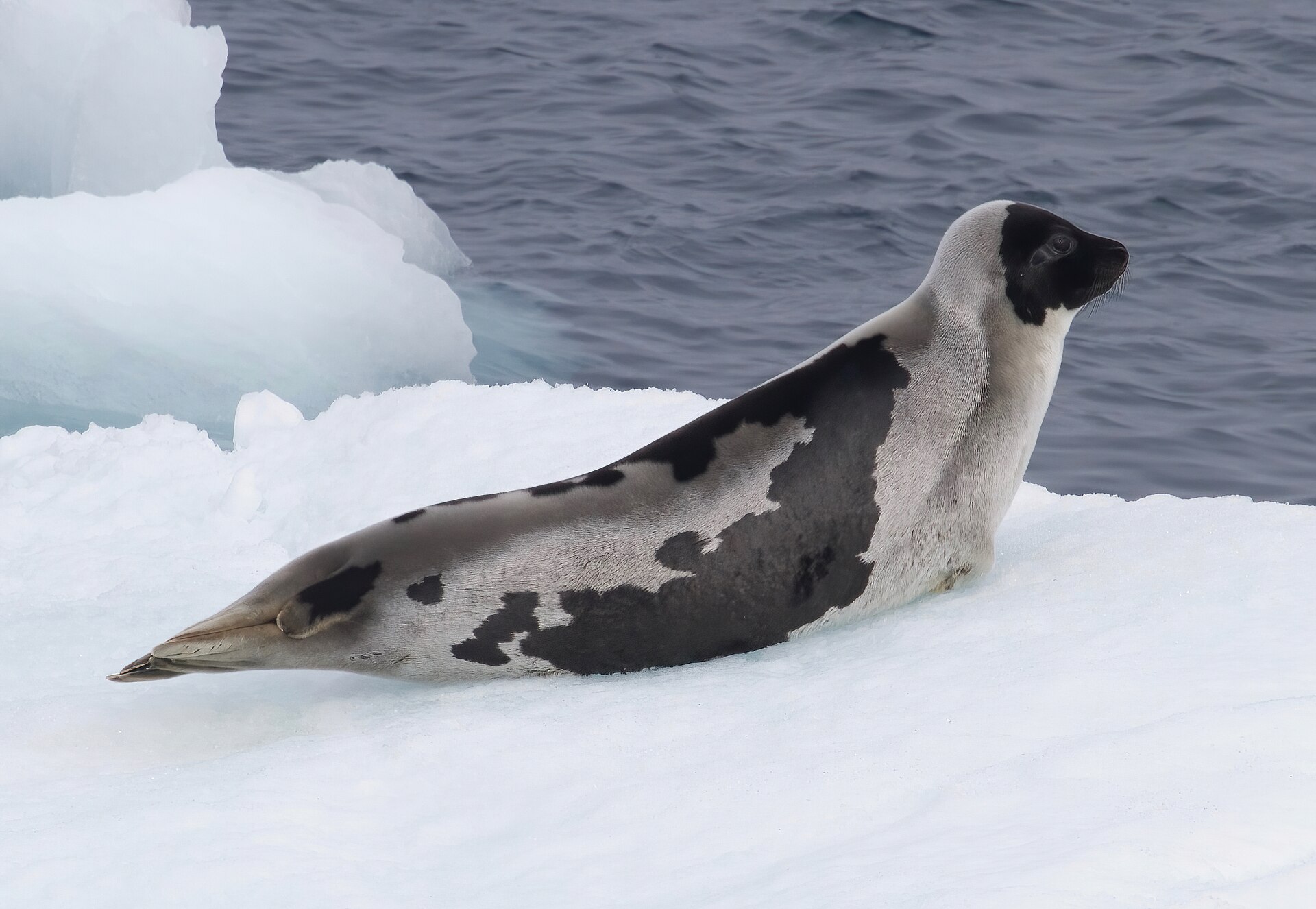
Harp Seal Facts Pagophilus groenlandicus
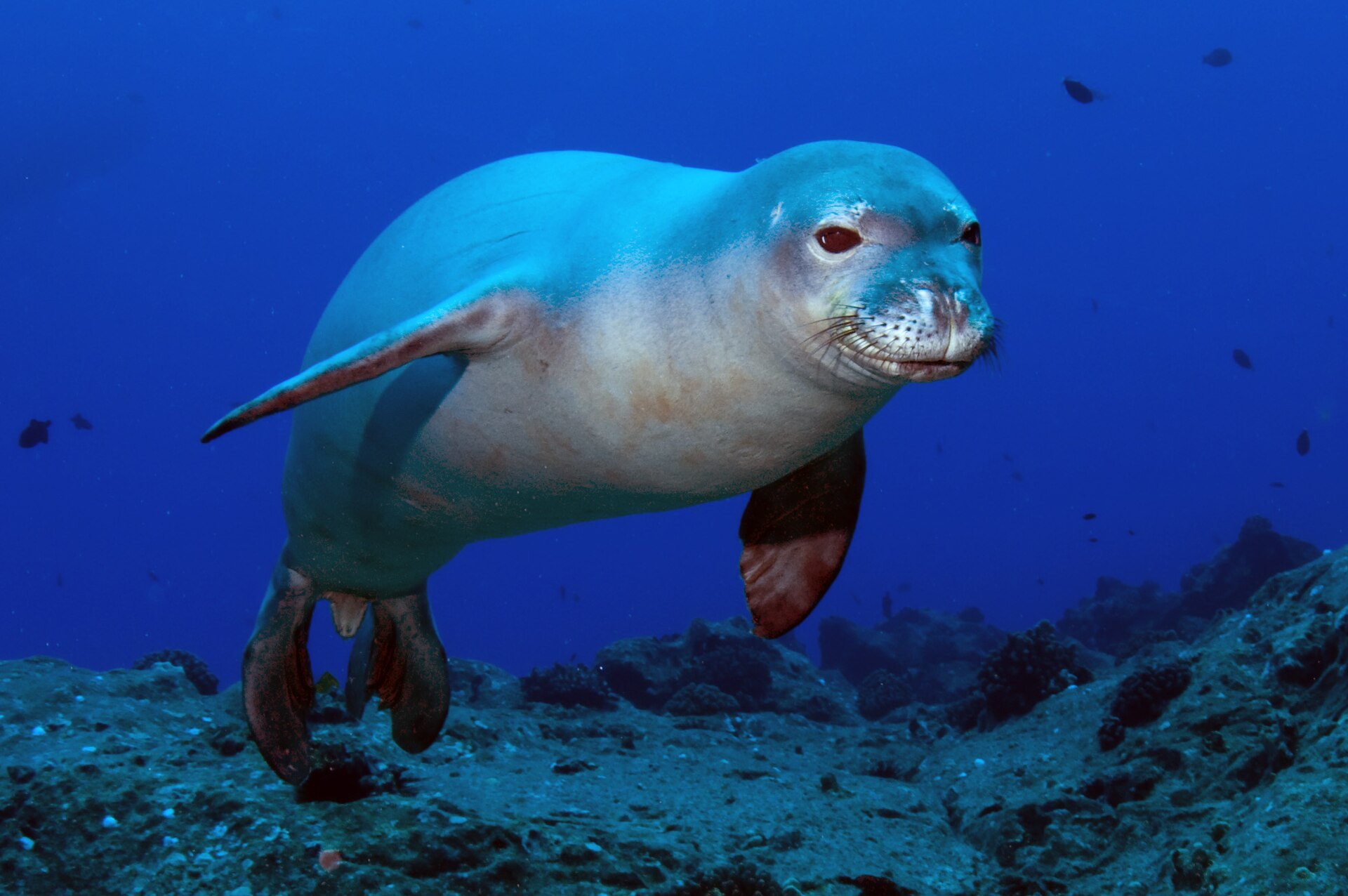
The harp seal (Pagophilus groenlandicus), also known as the saddleback seal or Greenland seal, is a species of earless seal, or true seal, native to the northernmost Atlantic Ocean and Arctic Ocean.
- Diet
- The White Sea population migrates northward in the summer to forage extensively in the Barents Sea.
Classification
Family: Phocidae. Order: Carnivora.
What Do Harp Seals Eat?
Diet classification: Carnivore. Recorded foods: the White Sea population migrates northward in the summer to forage extensively in the Barents Sea.
Harp Seal Conservation Status
Harp Seal is listed here as Near Threatened. Protecting habitat, maintaining healthy prey or food sources, and reducing human pressure are important parts of conserving wild populations.
Quick facts
- Diet
- Carnivore
- Weight
- 132.25 kg
Fun facts
- Breeding occurs between mid-February and April.
- Courtship peaks during mid-March and involves males performing underwater displays, using bubbles, vocalizations, and paw movements to court females.
- In order to cope with the shock of a rapid change in environmental temperature and undeveloped blubber layers, the pup relies on solar heating, and behavioural responses such as shivering or seeking warmth in the shade or even water.
Explore related categories
Discover more with the random animal generator or browse all animal profiles.
Similar animals
Explore nearby branches of the animal world.
Ready for another discovery?
The animal kingdom is full of surprises.
Sources and image credit
Animal facts are reviewed against the references below. The photograph remains available under the stated license.