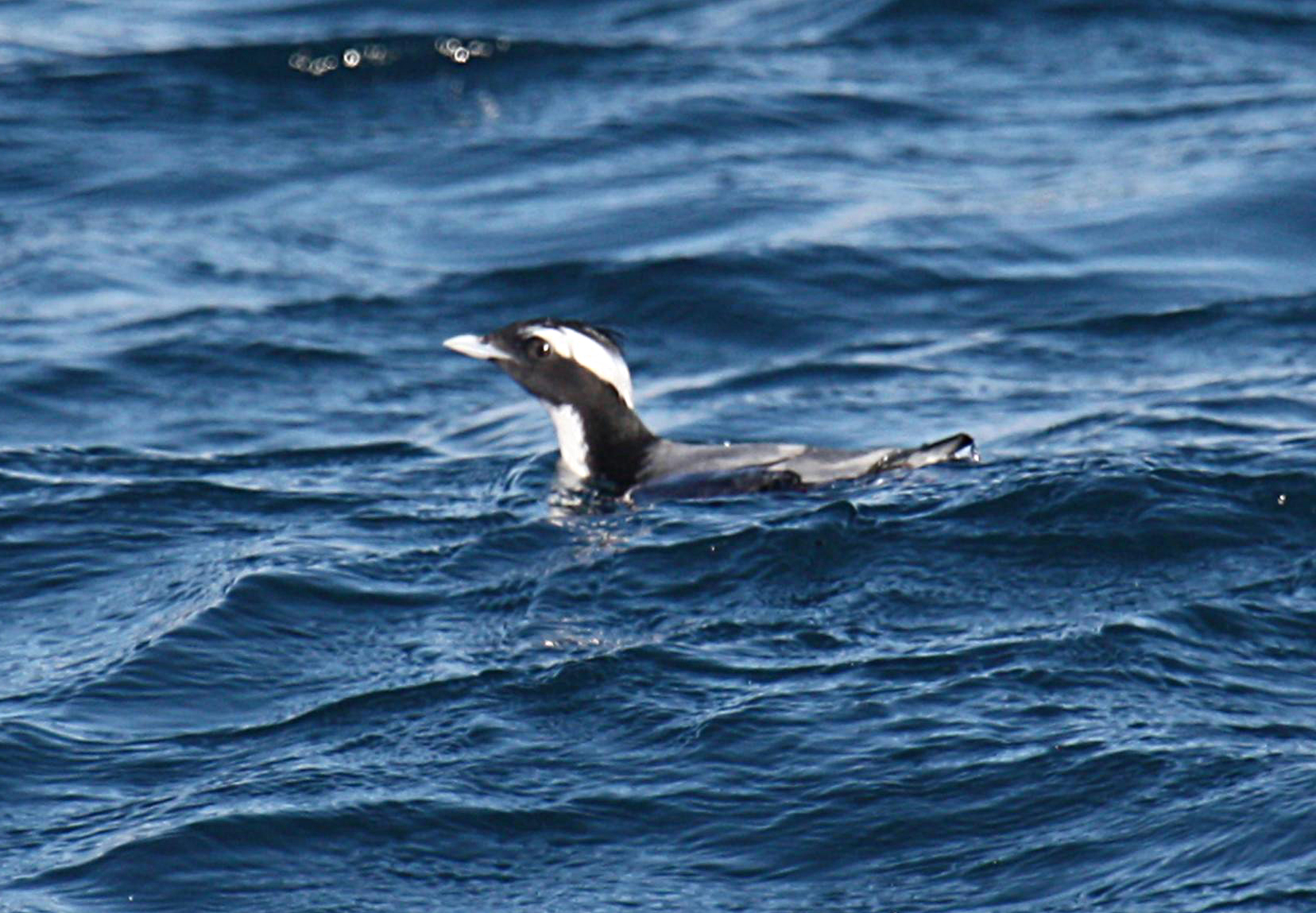
Japanese Murrelet Facts Synthliboramphus wumizusume
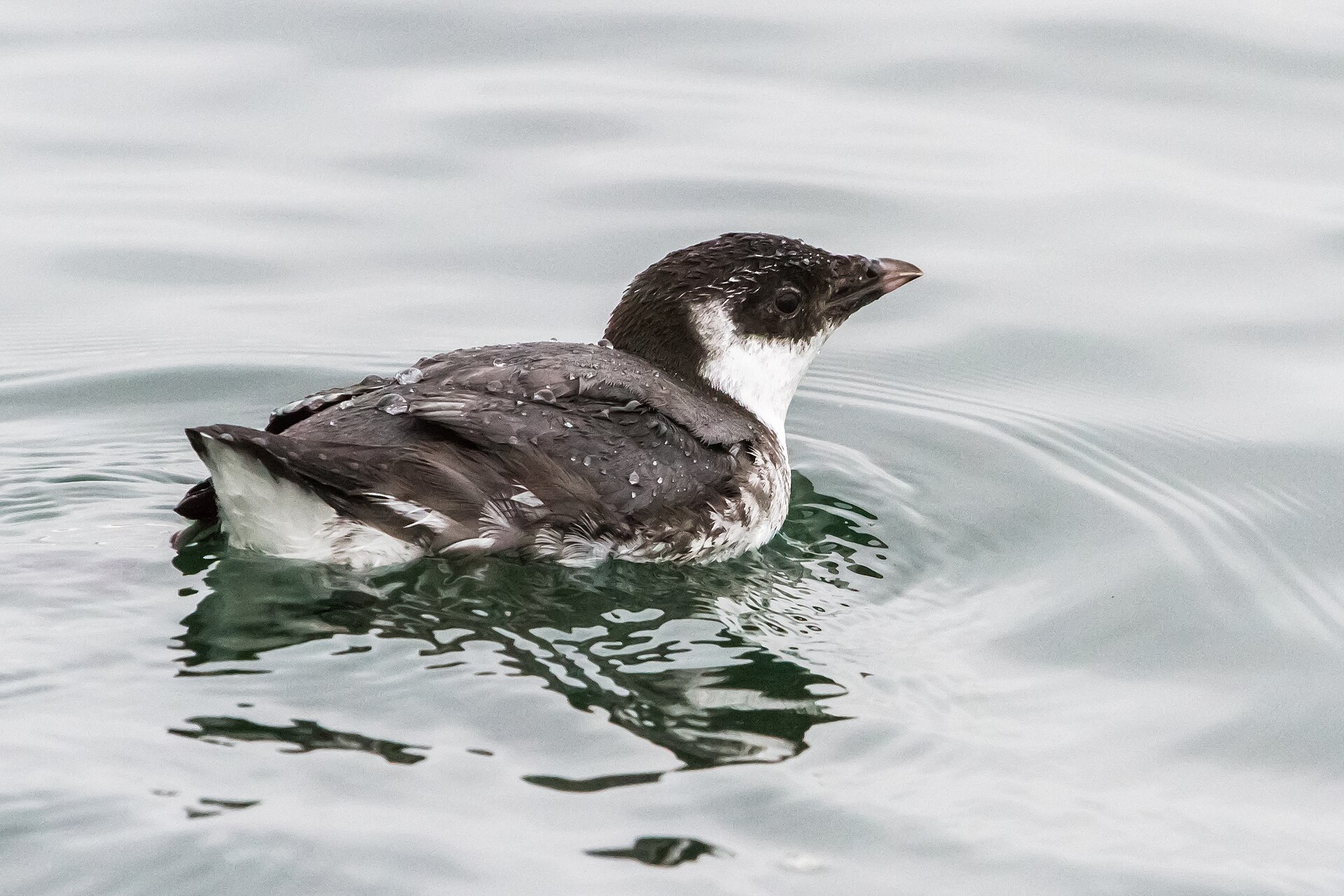
The Japanese murrelet or crested murrelet (Synthliboramphus wumizusume) is a small seabird in the auk family that occurs along the remote rocky coasts and in the offshore waters of Japan, and may also be found after the breeding season as far as Sakhalin to the north and in particular off South Korea.
- Habitat
- Coastal
- Diet
- The Japanese murrelet's diet mostly comprises krill, other planktonic crustaceans, crangonid shimps, larval and small pelagic fish, including Pacific herring (Clupea pallasii), sculpin (Triglops), and smelt (Osmerus), sand eels (Ammodytes), and sandlances (Hypoptychus dybowskii).
Classification
Family: Alcidae. Order: Charadriiformes.
Japanese Murrelet Habitat
Japanese Murrelets live in Coastal habitats. Their recorded range includes the boreo-cool and temperate-subtropical waters of the northwest Pacific. Suitable food, shelter, and conditions for raising young help shape that range.
What Do Japanese Murrelets Eat?
Diet classification: Carnivore. Recorded foods: the Japanese murrelet's diet mostly comprises krill, other planktonic crustaceans, crangonid shimps, larval and small pelagic fish, including Pacific herring (Clupea pallasii), sculpin (Triglops), and smelt (Osmerus), sand eels (Ammodytes), and sandlances (Hypoptychus dybowskii).
Japanese Murrelet Conservation Status
Japanese Murrelet is listed here as Vulnerable. Protecting habitat, maintaining healthy prey or food sources, and reducing human pressure are important parts of conserving wild populations.
Quick facts
- Region
- The boreo-cool and temperate-subtropical waters of the northwest Pacific
- Habitat
- Coastal
- Diet
- Carnivore
- Weight
- 198 g
Explore related categories
Discover more with the random animal generator or browse all animal profiles.
Similar animals
Explore nearby branches of the animal world.
Ready for another discovery?
The animal kingdom is full of surprises.
Sources and image credit
Animal facts are reviewed against the references below. The photograph remains available under the stated license.