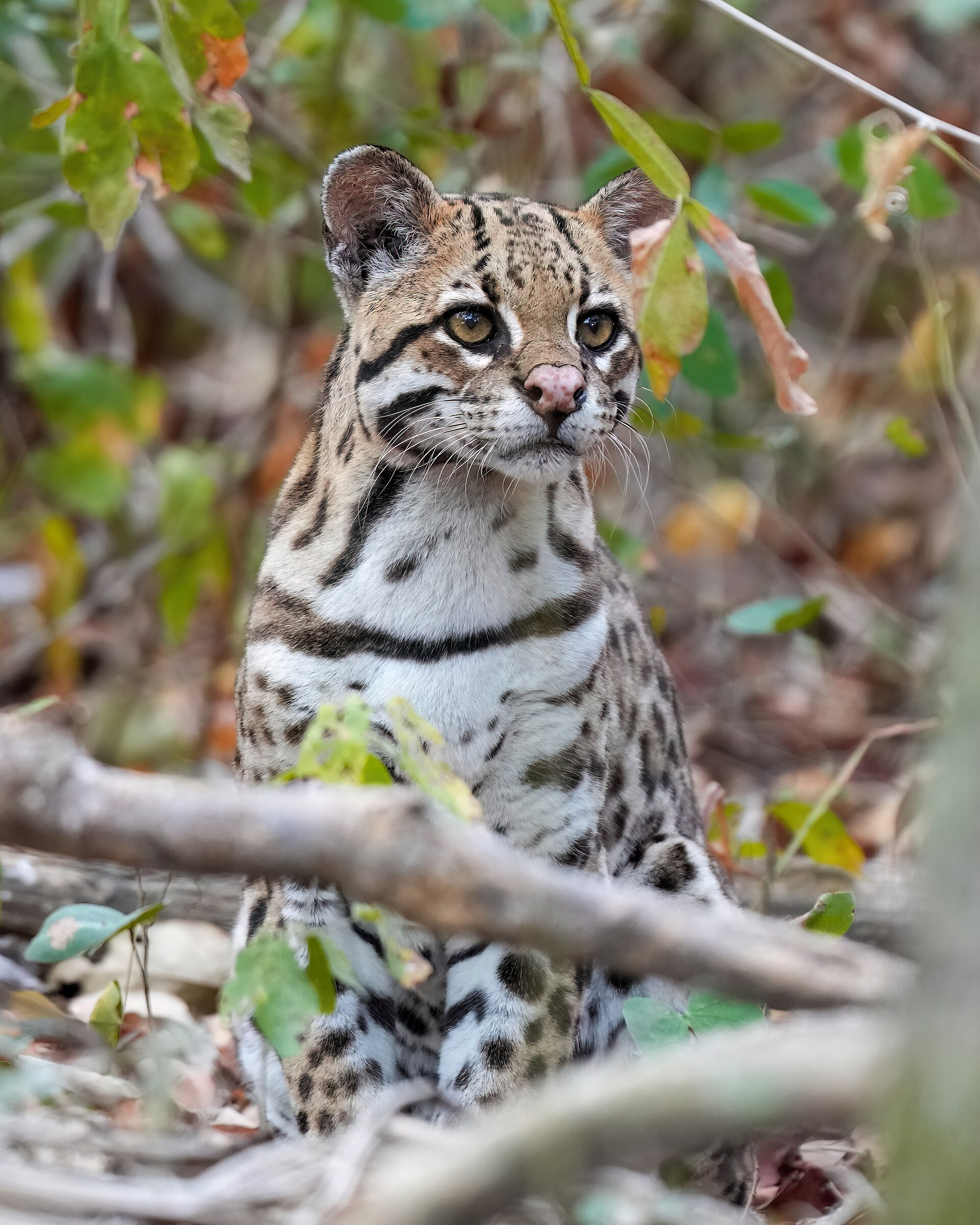
Mammal
ocelot Facts Leopardus pardalis
- Diet
- An ocelot typically prefers hunting in areas with vegetation cover, avoiding open areas, especially on moonlit nights, so as not to be seen by the prey.
- Lifespan
- Up to 28.2 years (maximum recorded longevity)
Classification
Family: Felidae. Order: Carnivora.
What Do ocelots Eat?
Diet classification: Carnivore. Recorded foods: An ocelot typically prefers hunting in areas with vegetation cover, avoiding open areas, especially on moonlit nights, so as not to be seen by the prey.
ocelot Conservation Status
ocelot is listed here as Least Concern. Protecting habitat, maintaining healthy prey or food sources, and reducing human pressure are important parts of conserving wild populations.
Quick facts
- Diet
- Carnivore
- Lifespan
- Up to 28.2 years (maximum recorded longevity)
- Weight
- 11.9 kg
Fun facts
- During the daytime, it rests on trees, in dens below large trees or other cool, sheltered sites on the ground.
- It is agile in climbing and leaping, and escapes predators by jumping on trees.
- The ocelot is usually solitary and active mainly during twilight and at night.
Explore related categories
Discover more with the random animal generator or browse all animal profiles.
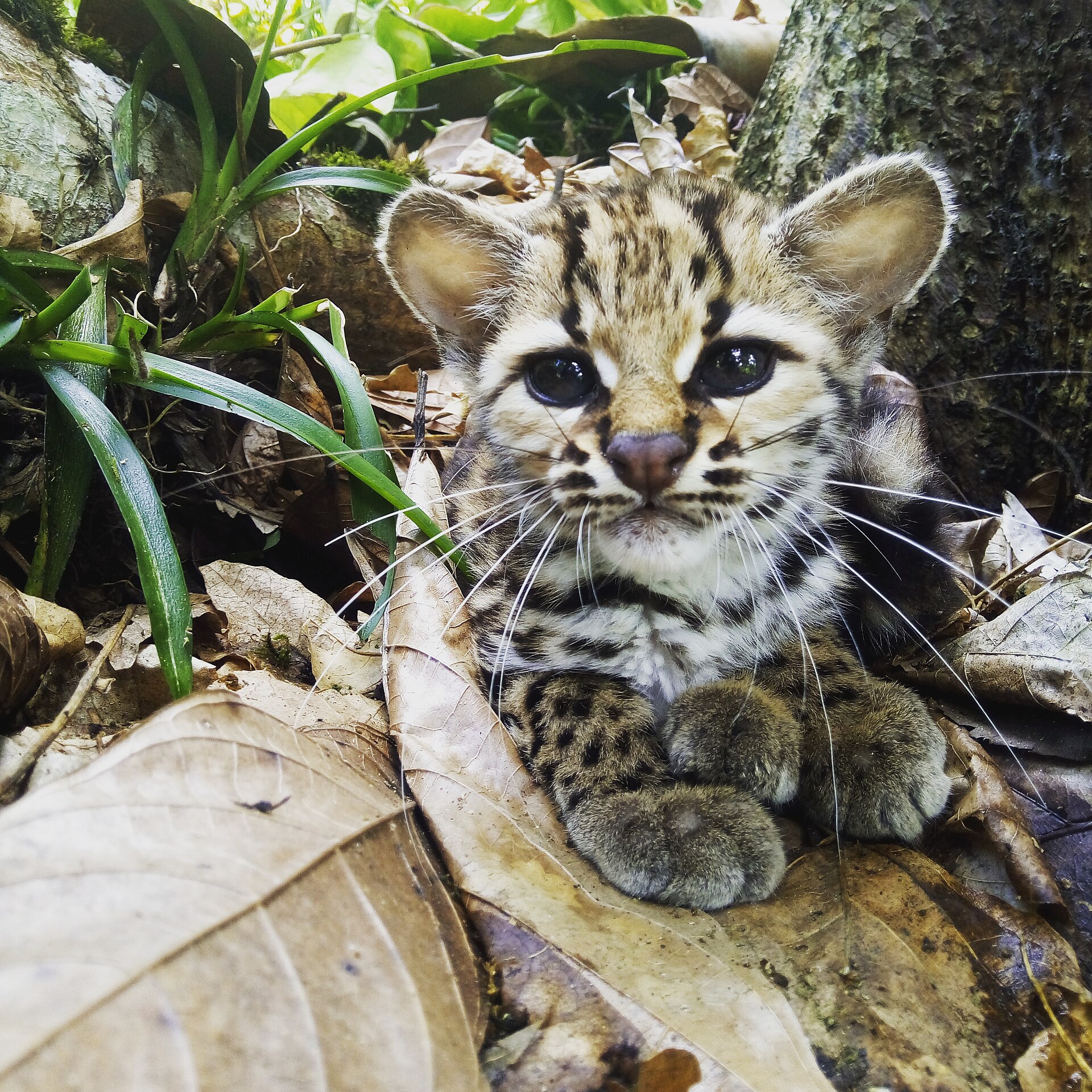
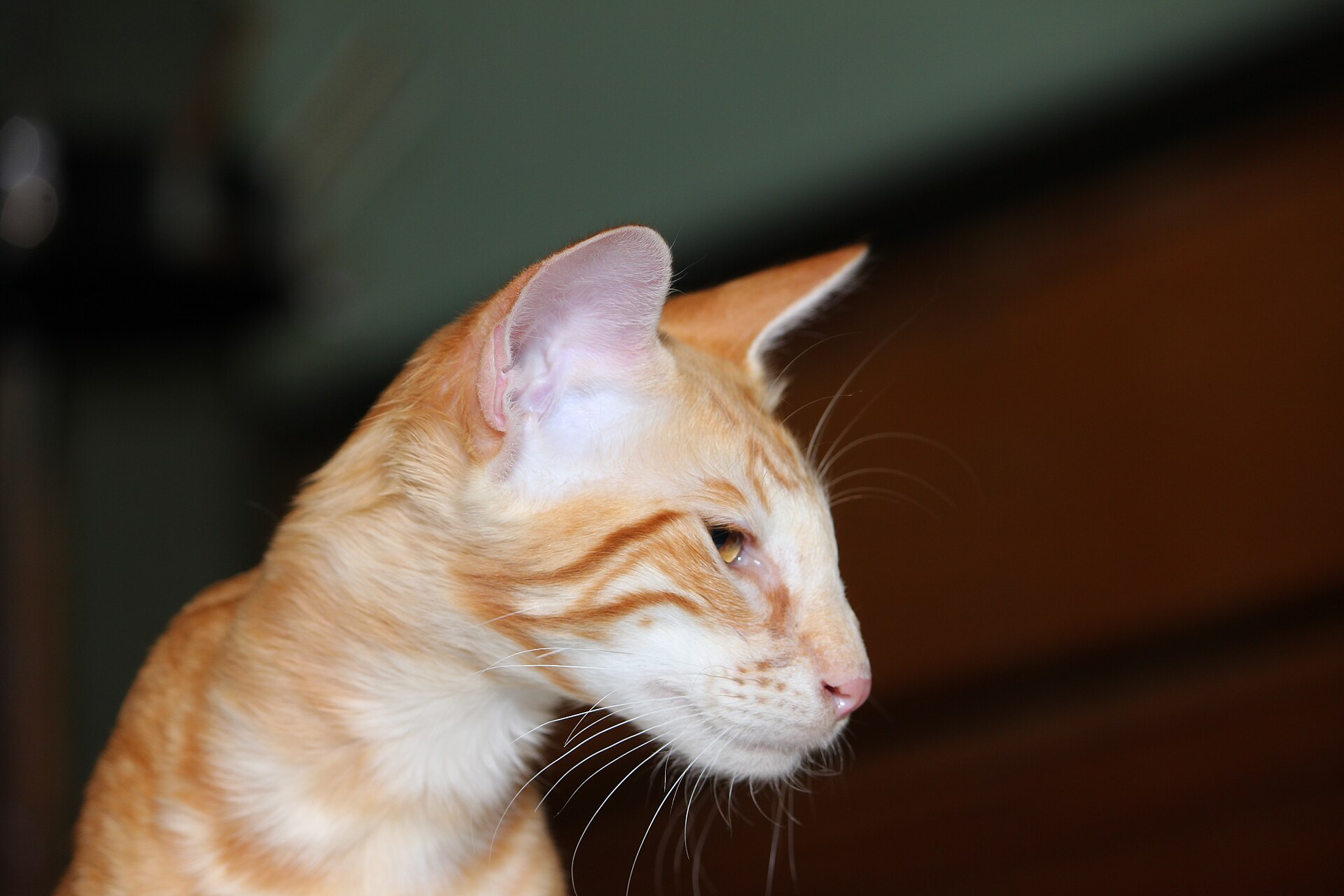
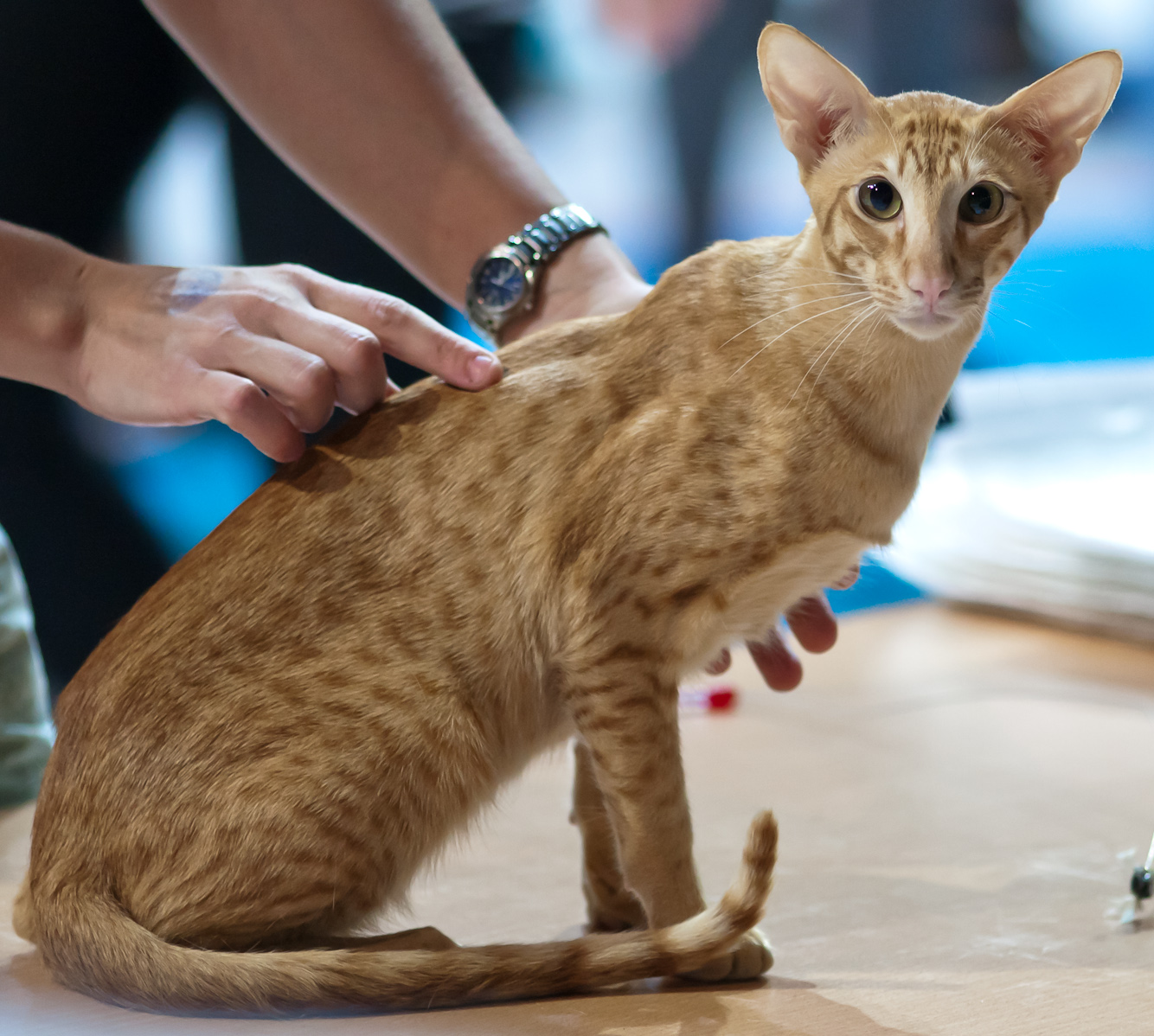
Similar animals
Explore nearby branches of the animal world.

Ready for another discovery?
The animal kingdom is full of surprises.
Sources and image credit
Animal facts are reviewed against the references below. The photograph remains available under the stated license.