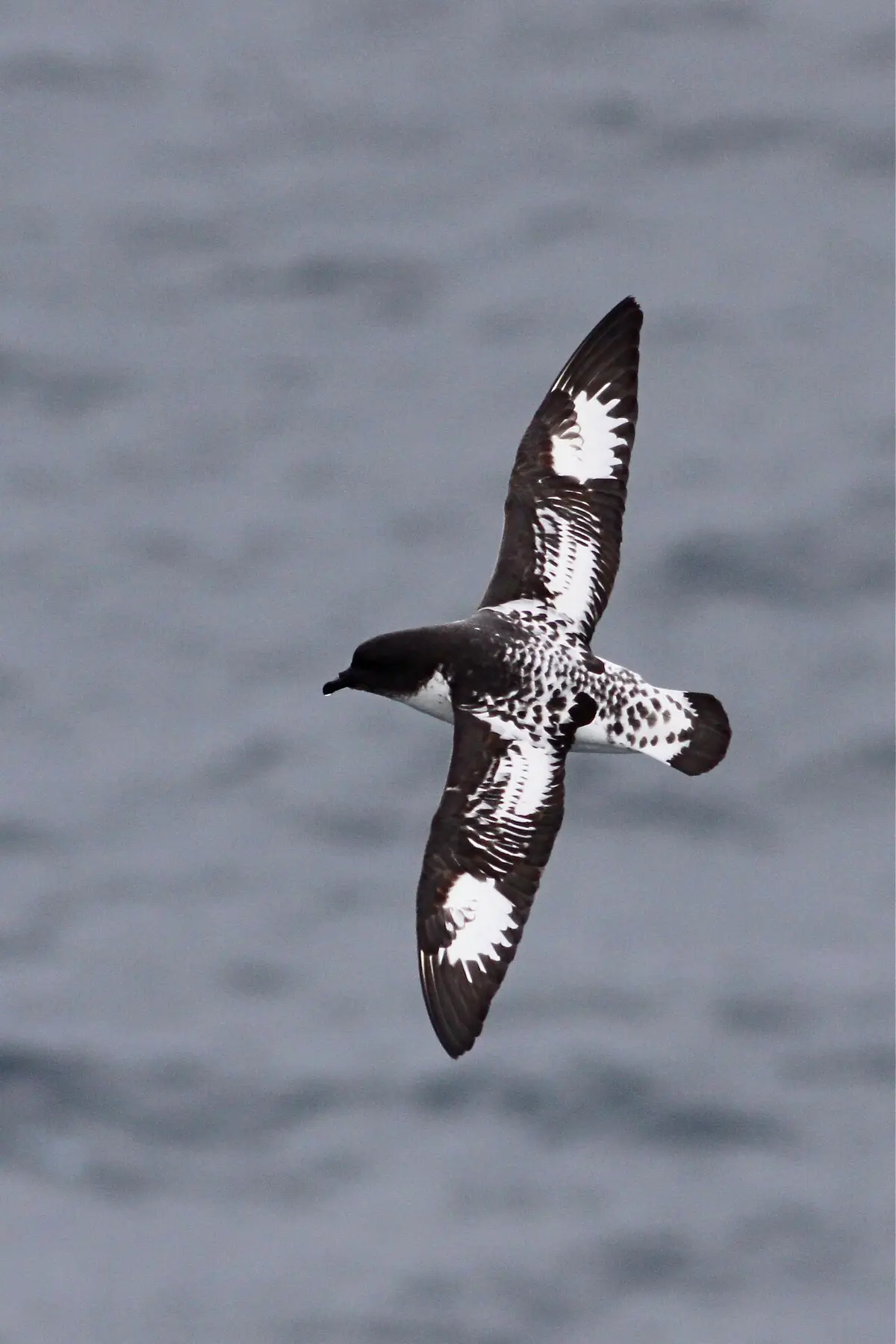
Pintado Petrel Facts Daption capense
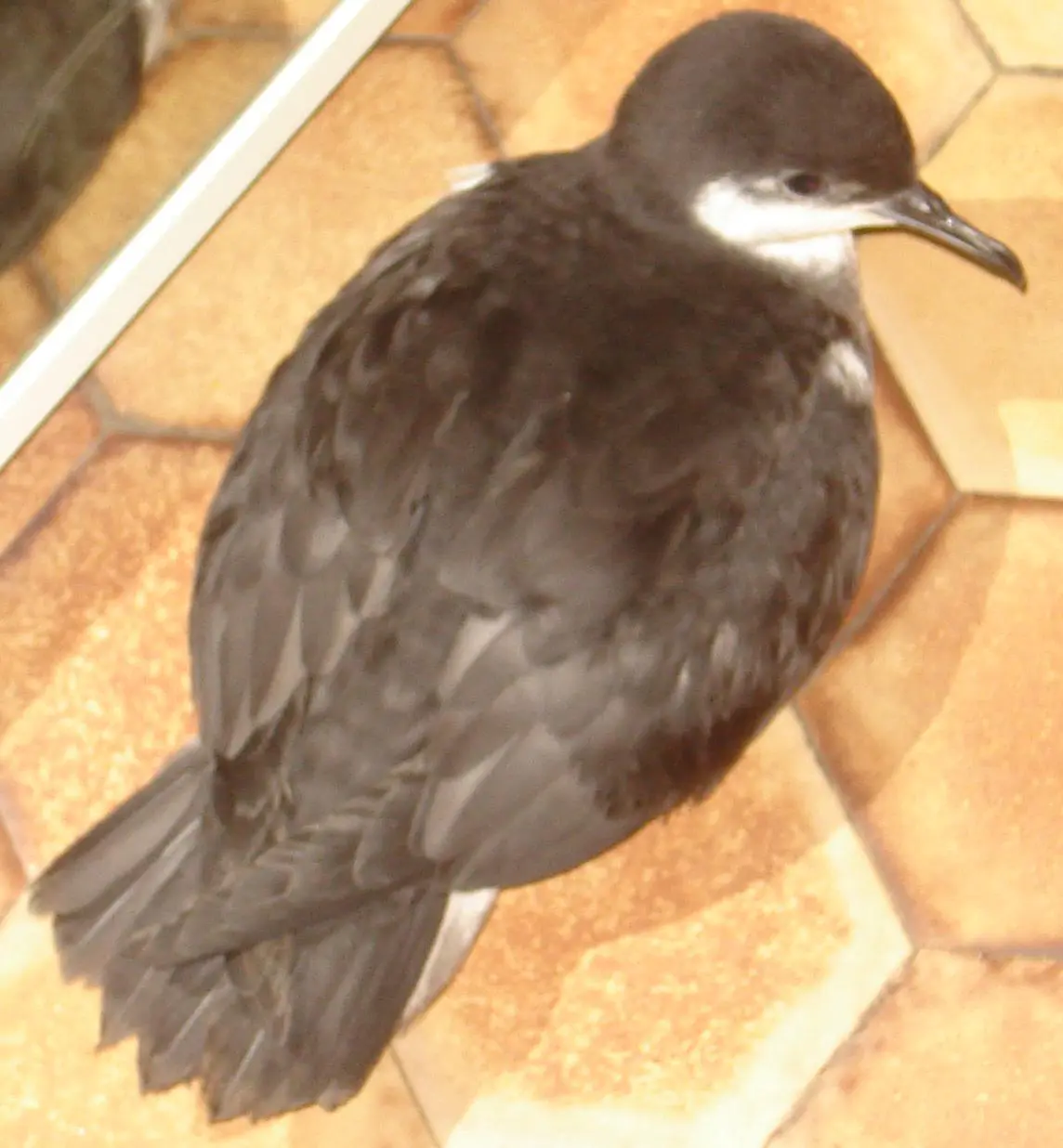
The pintado petrel (Daption capense), also called the Cape petrel, or Cape fulmar, is a common seabird of the Southern Ocean from the family Procellariidae.
- Habitat
- Marine
- Diet
- Mainly krill, squid and small fish, with additional scavenging from carrion and scraps around vessels
- Lifespan
- Up to 28.5 years (maximum recorded longevity)
Classification
Family: Procellariidae. Order: Procellariiformes.
Pintado Petrel Habitat
Pintado Petrels live in Marine and Coastal and Subantarctic Islands habitats. Their recorded range includes Southern Ocean, breeding around Antarctica and subantarctic islands and ranging north into Australian waters in winter. Suitable food, shelter, and conditions for raising young help shape that range.
What Do Pintado Petrels Eat?
Diet classification: Carnivore. Recorded foods: Mainly krill, squid and small fish, with additional scavenging from carrion and scraps around vessels.
Pintado Petrel Conservation Status
Pintado Petrel is listed here as Least Concern. Protecting habitat, maintaining healthy prey or food sources, and reducing human pressure are important parts of conserving wild populations.
Quick facts
- Region
- Southern Ocean, breeding around Antarctica and subantarctic islands and ranging north into Australian waters in winter
- Habitat
- Marine, Coastal, Subantarctic Islands
- Diet
- Carnivore
- Lifespan
- Up to 28.5 years (maximum recorded longevity)
- Weight
- 429.62 g
Fun facts
- The species has a strongly contrasting black-and-white pattern across the upperparts and wings.
- Cape petrels often follow ships and boats while searching for food.
- They generally do not begin breeding until they are at least about five years old.
Explore related categories
Discover more with the random animal generator or browse all animal profiles.
Similar animals
Explore nearby branches of the animal world.
Ready for another discovery?
The animal kingdom is full of surprises.
Sources and image credit
Animal facts are reviewed against the references below. The photograph remains available under the stated license.