Black-and-white Snub-nosed Monkey Facts Rhinopithecus bieti
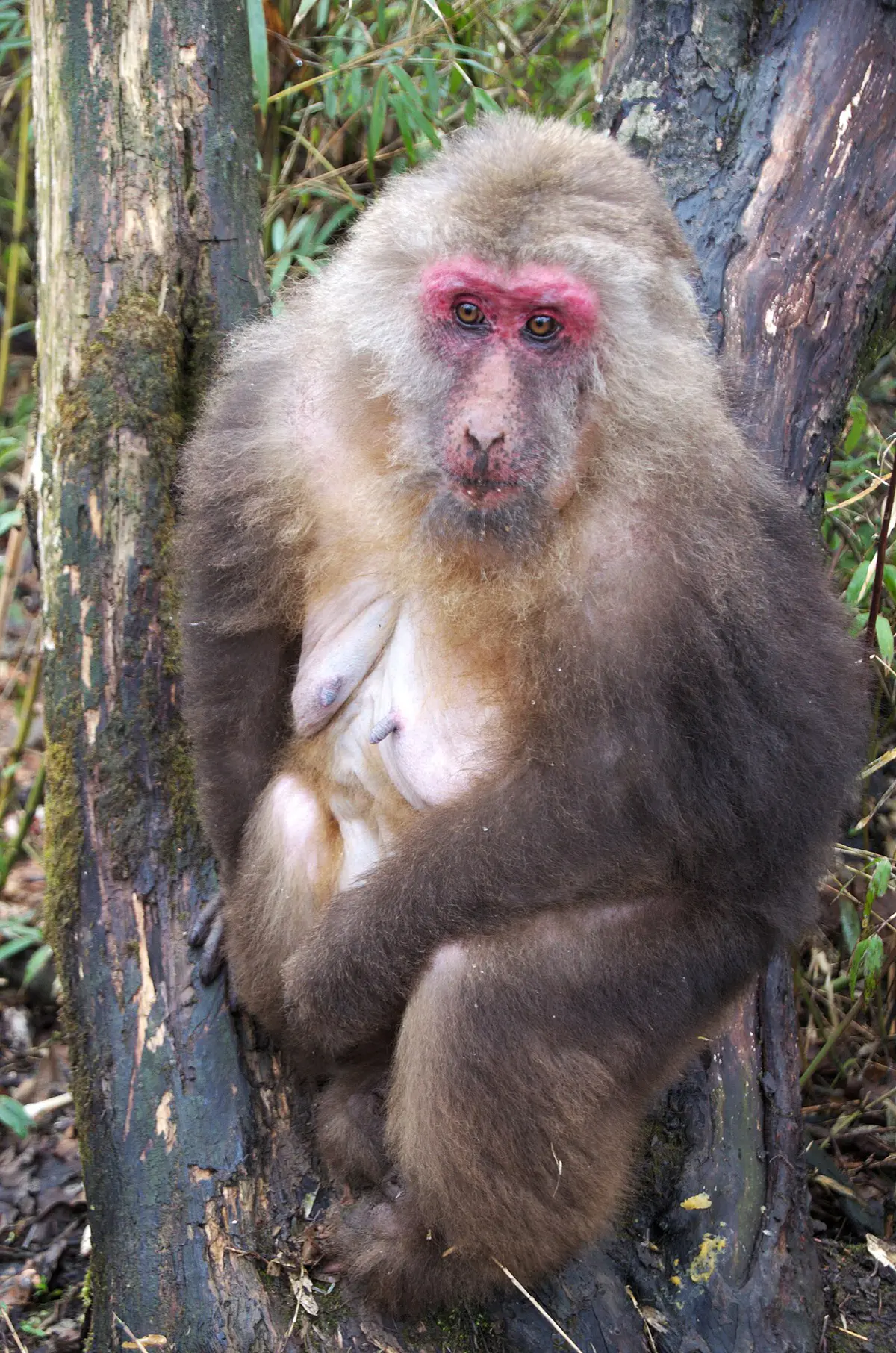
The black-and-white snub-nosed monkey is a high-altitude primate endemic to the Hengduan Mountains of southwestern China, living year-round in cold montane forests.
- Habitat
- Mountain
- Diet
- Seasonal plant foods including young leaves, fruit and lichens; lichens are especially important in winter
Classification
Family: Cercopithecidae. Order: Primates.
Black-and-white Snub-nosed Monkey Habitat
Black-and-white Snub-nosed Monkeys live in Mountain and Conifer Forest and Mixed Forest habitats. Their recorded range includes Hengduan Mountains of Yunnan and Tibet in southwestern China. Suitable food, shelter, and conditions for raising young help shape that range.
What Do Black-and-white Snub-nosed Monkeys Eat?
Diet classification: Herbivore. Recorded foods: Seasonal plant foods including young leaves, fruit and lichens; lichens are especially important in winter.
Black-and-white Snub-nosed Monkey Conservation Status
Black-and-white Snub-nosed Monkey is listed here as Endangered. Protecting habitat, maintaining healthy prey or food sources, and reducing human pressure are important parts of conserving wild populations.
Quick facts
- Region
- Hengduan Mountains of Yunnan and Tibet in southwestern China
- Habitat
- Mountain, Conifer Forest, Mixed Forest
- Diet
- Herbivore
- Size
- Adult males have a head-body length of about 74–83 cm
- Weight
- 11 kg
Fun facts
- Some groups forage above 4,700 m elevation, among the highest elevations used by non-human primates.
- Lichens can dominate the diet during cold high-altitude winters when other foods are scarce.
- The name black-and-white snub-nosed monkey helps distinguish this species from the darker Rhinopithecus strykeri.
Explore related categories
Discover more with the random animal generator or browse all animal profiles.
Similar animals
Explore nearby branches of the animal world.
Ready for another discovery?
The animal kingdom is full of surprises.
Sources and image credit
Animal facts are reviewed against the references below. The photograph remains available under the stated license.