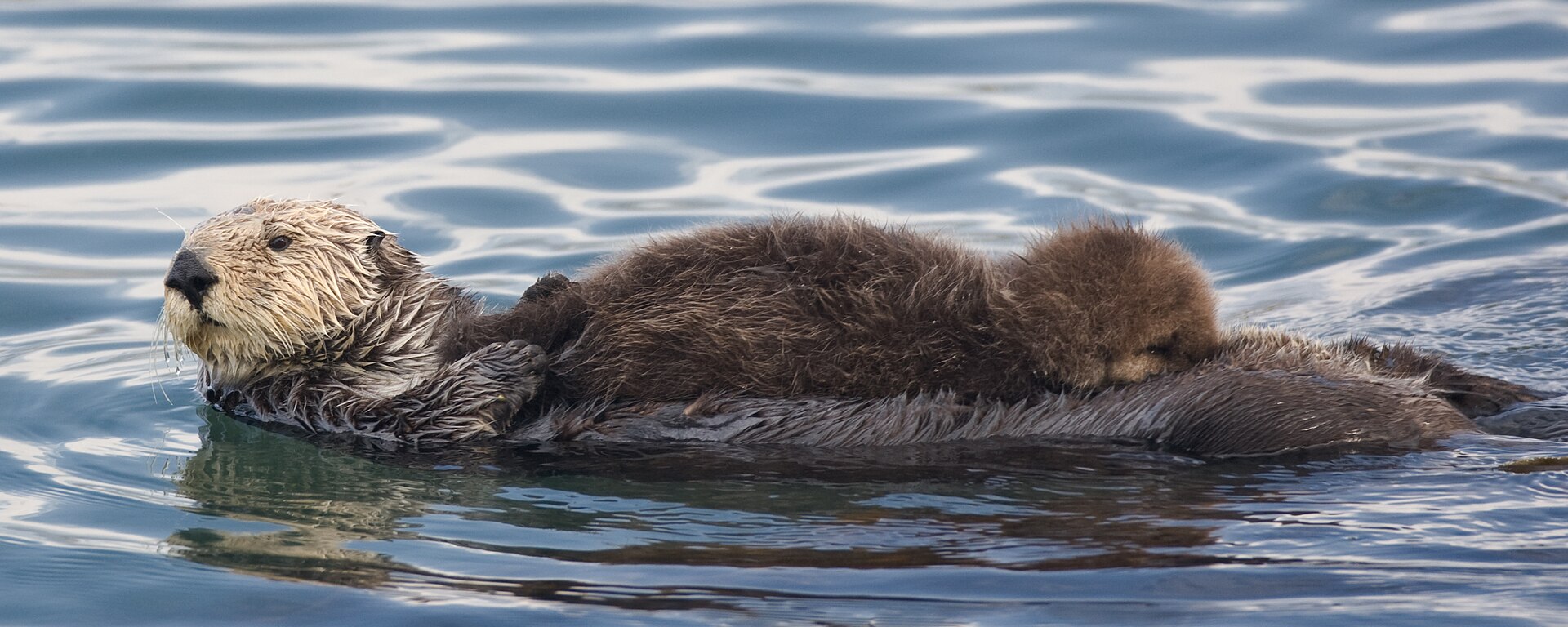
sea otter Facts Enhydra lutris
The sea otter (Enhydra lutris) is a marine mammal native to the coasts of the northern and eastern North Pacific Ocean.
- Diet
- At the surface, the sea otter eats while floating on its back, using its forepaws to tear food apart and bring it to its mouth.
- Lifespan
- Up to 27 years (maximum recorded longevity)
Classification
Family: Mustelidae. Order: Carnivora.
What Do sea otters Eat?
Diet classification: Omnivore. Recorded foods: At the surface, the sea otter eats while floating on its back, using its forepaws to tear food apart and bring it to its mouth.
sea otter Conservation Status
sea otter is listed here as Endangered. Protecting habitat, maintaining healthy prey or food sources, and reducing human pressure are important parts of conserving wild populations.
Quick facts
- Diet
- Omnivore
- Lifespan
- Up to 27 years (maximum recorded longevity)
- Weight
- 23.5 kg
Fun facts
- It has a period of foraging and eating in the morning, starting about an hour before sunrise, then rests or sleeps in mid-day.
- Sea otters spend much of their time grooming, which consists of cleaning the fur, untangling knots, removing loose fur, rubbing the fur to squeeze out water and introduce air, and blowing air into the fur.
- To casual observers, it appears as if the animals are scratching, but they are not known to have lice or other parasites in the fur.
Explore related categories
Discover more with the random animal generator or browse all animal profiles.
Similar animals
Explore nearby branches of the animal world.
Ready for another discovery?
The animal kingdom is full of surprises.
Sources and image credit
Animal facts are reviewed against the references below. The photograph remains available under the stated license.