Southern Royal Albatross Facts Diomedea epomophora
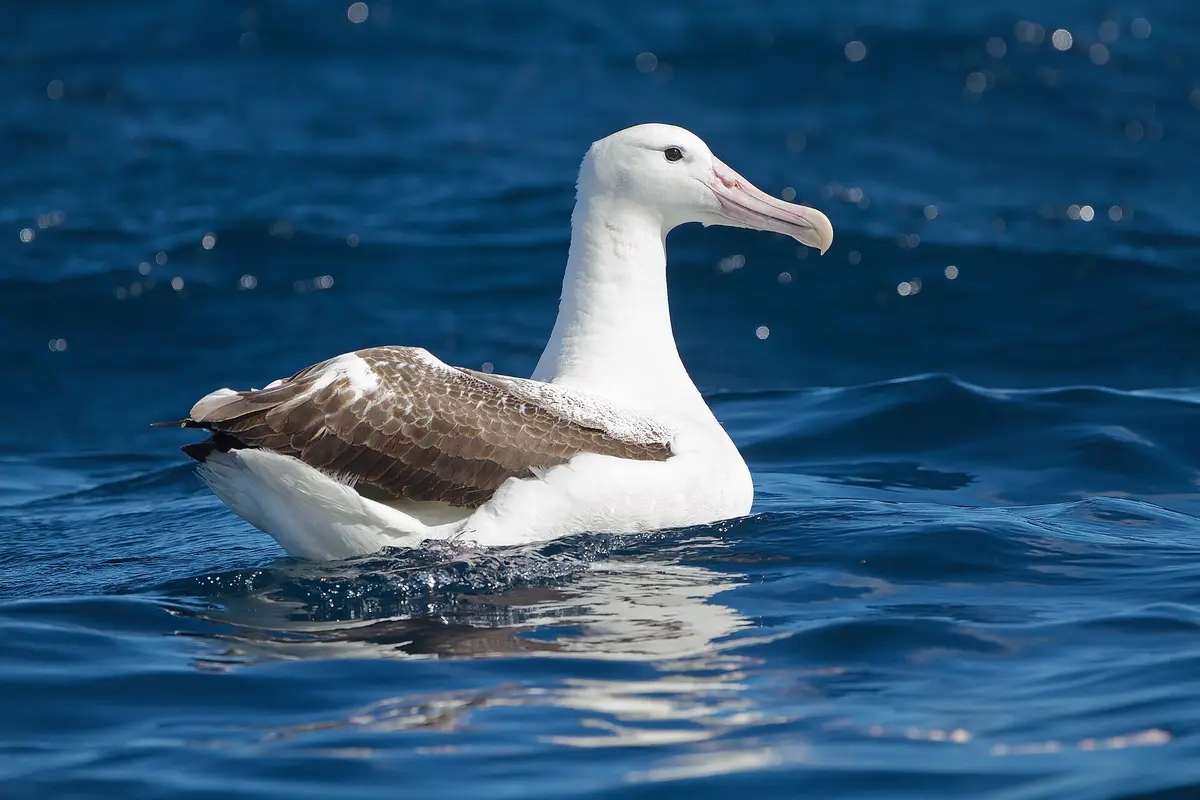
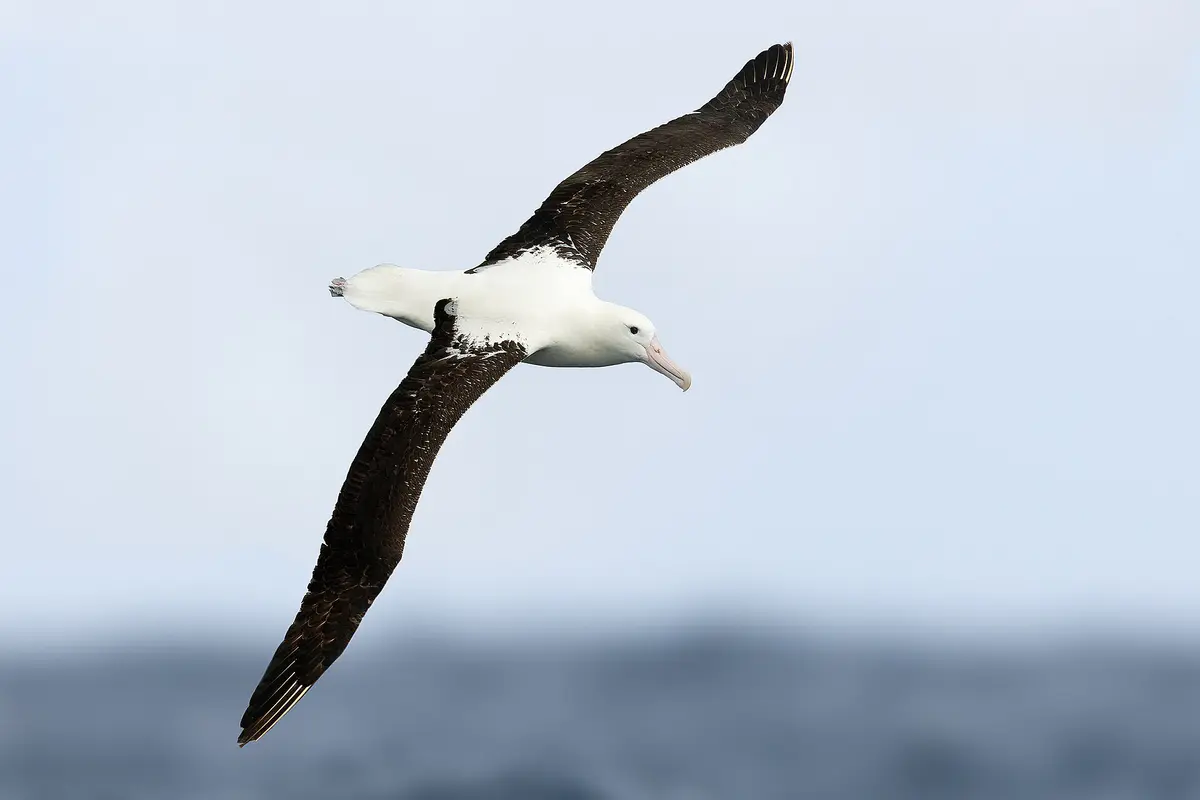
The southern royal albatross is one of the world's largest albatrosses, a huge white-bodied seabird whose breeding population is concentrated overwhelmingly on Campbell Island.
- Habitat
- Marine
- Diet
- Squid and pelagic octopuses, fish, crustaceans and salps, usually taken at or just below the sea surface
- Lifespan
- Up to 58 years (maximum recorded longevity)
Classification
Family: Diomedeidae. Order: Procellariiformes.
Southern Royal Albatross Habitat
Southern Royal Albatrosses live in Marine and Subantarctic Islands habitats. Their recorded range includes Southern Ocean; more than 99% of the breeding population nests on Campbell Island, with small numbers on the Auckland Islands. Suitable food, shelter, and conditions for raising young help shape that range.
What Do Southern Royal Albatrosses Eat?
Diet classification: Carnivore. Recorded foods: Squid and pelagic octopuses, fish, crustaceans and salps, usually taken at or just below the sea surface.
Southern Royal Albatross Lifespan, Size, and Weight
Recorded lifespan: Up to 58 years (maximum recorded longevity). Recorded size: About 120 cm long. Recorded weight: 8.91 kg.
Southern Royal Albatross Conservation Status
Southern Royal Albatross is listed here as Vulnerable. Protecting habitat, maintaining healthy prey or food sources, and reducing human pressure are important parts of conserving wild populations.
Quick facts
- Region
- Southern Ocean; more than 99% of the breeding population nests on Campbell Island, with small numbers on the Auckland Islands
- Habitat
- Marine, Subantarctic Islands
- Diet
- Carnivore
- Lifespan
- Up to 58 years (maximum recorded longevity)
- Size
- About 120 cm long
- Weight
- 8.91 kg
Fun facts
- More than 99% of southern royal albatrosses breed on Campbell Island.
- Successful breeders normally take a year off, creating a biennial breeding pattern.
- Adults become progressively whiter on the upper wings as they age.
Explore related categories
Discover more with the random animal generator or browse all animal profiles.
Similar animals
Explore nearby branches of the animal world.
Ready for another discovery?
The animal kingdom is full of surprises.
Sources and image credit
Animal facts are reviewed against the references below. The photograph remains available under the stated license.