Research
Arctic Char Meaning: What the Name Tells Us
Learn what Arctic char means, what the fish is, and why the popular red-belly explanation for its name remains uncertain.
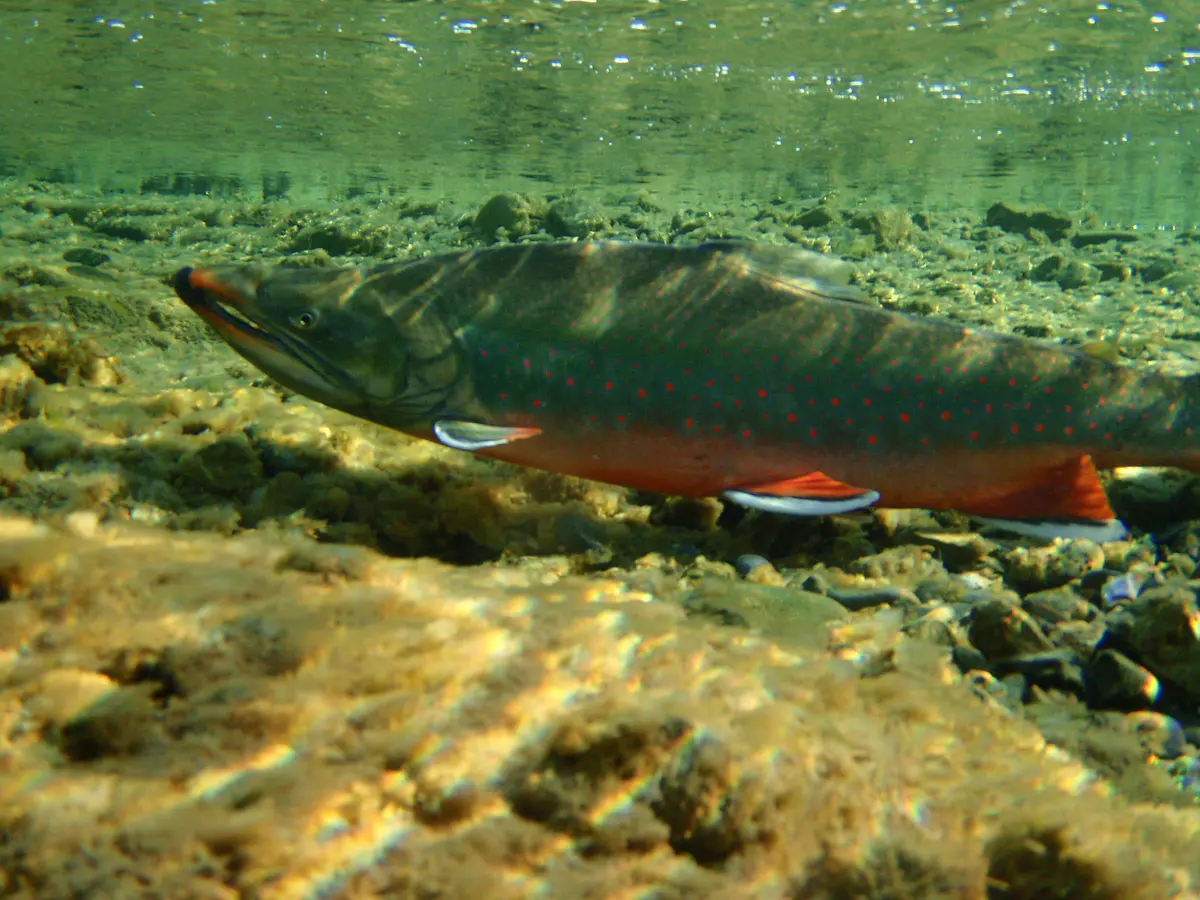
The phrase “Arctic char” names a cold-water fish, Salvelinus alpinus, in the salmon family. In plain language, Arctic char means a northern char fish found across Arctic and sub-Arctic regions. “Arctic” points to its northern range; “char” names a kind of salmonid fish.
The search “arctic char meaning” often leads to a red-belly story. That is one proposed explanation for the word char, but dictionaries do not treat the fish name’s origin as settled. The fish’s identity and range are clearer than the history of its common name.
What does Arctic char mean?
A dictionary defines Arctic char as a salmonid fish called Salvelinus alpinus. It lives in northern lakes, streams, and seas, and its name is also spelled Arctic charr. The short answer is simple: Arctic char is a particular fish species, not a general label for any fish from cold water.
Arctic is a geographic clue. The species has a circumpolar range across northern parts of North America, Europe, and Asia. It is among the freshwater fish with the most northerly distributions. Some populations also enter the sea, so a definition may mention both freshwater and marine habitats.
Sources for this section: Collins English Dictionary: Arctic char; Alaska Department of Fish and Game: Arctic Char Species Profile
Does char mean red belly?
The word char has a less certain history than the full species name. The American Heritage Dictionary marks the origin of char as unknown. A Shetland Islands Council natural-history report gives a Gaelic explanation: the fish’s name means “red belly,” referring to colors that appear during the breeding season.
Treat the Gaelic explanation as a traditional theory, not a confirmed translation. The available references do not agree on how certain that origin is. The fish can develop brighter spots and orange fins while spawning, which may help explain why the story persists, but color alone cannot prove a word’s history.
The word Arctic is more direct in everyday use: it points to the fish’s far-northern range. The complete name therefore identifies a northern char; it does not literally describe one permanent color or one single habitat.
Sources for this section: American Heritage Dictionary: char; Shetland Islands Council: Arctic Char; Government of Yukon: Arctic Char
Is Arctic char a salmon or a trout?
Arctic char belongs to the family Salmonidae, the salmon family, and the genus Salvelinus. That makes it a close salmonid relative of salmon and trout, but its common name is char. Common names do not always match neat scientific divisions: fish in this family can carry names such as salmon, trout, or char.
Its scientific name adds another clue. The Alaska Department of Fish and Game notes that Carl Linnaeus described the fish in 1758 from an alpine lake in northern Swedish Lapland and named it Salvelinus alpinus, or “alpine char.” The word alpinus points to that high-lake setting. It does not conflict with the species’ much broader northern range.
When you need to know exactly which animal a source describes, use Salvelinus alpinus alongside the common name. That small check can prevent confusion with Dolly Varden or another char, especially in places where their ranges overlap.
Sources for this section: Ontario Freshwater Fishes Life History Database: Arctic Char; Alaska Department of Fish and Game: Arctic Char Species Profile; Government of Yukon: Arctic Char
Why can Arctic char live in fresh water and the sea?
Arctic char populations do not all follow the same life cycle. Some remain in lakes or rivers throughout their lives. Others are anadromous: they move into the sea to feed and return to fresh water to spawn. In the Yukon, the sea-going form feeds at sea in summer and returns to fresh water for winter, while landlocked fish stay in fresh water.
This variety helps explain why a dictionary definition can mention Arctic lakes and streams while a regional field guide also describes coastal or sea-going fish. A useful fact should name its location. For example, the Alaska Department of Fish and Game says the known populations in northern Alaska spend their whole lives in lakes. That detail describes those populations, not every Arctic char everywhere.
The fish’s diet also changes with local food. The Government of Yukon lists aquatic insects, molluscs, crustaceans, leeches, fish eggs, and fish. In a profile, a diet list is a guide to recorded foods, not a menu that every individual follows in every season.
Sources for this section: Government of Yukon: Arctic Char; Alaska Department of Fish and Game: Arctic Char Species Profile
When does the red color appear?
Color can change with life stage, season, and local population. Yukon’s field guide says spawning fish develop brighter spots and orange fins; males can also develop a hooked jaw called a kype. A Shetland report connects the red-belly explanation with breeding colors. This seasonal pattern makes the story plausible, but it does not turn the proposed Gaelic origin into a certainty.
Arctic char are also unlike Pacific salmon that die after spawning. Yukon reports that Arctic char can survive and spawn again in later seasons. Their ability to reproduce more than once is one reason a life-history description needs to identify the species rather than rely on the broad word salmon.
Sources for this section: Government of Yukon: Arctic Char; Shetland Islands Council: Arctic Char
The short answer
Arctic char means a northern salmonid fish, specifically Salvelinus alpinus. Arctic describes its circumpolar range. Char names the fish, and its exact word origin is uncertain. A Gaelic red-belly explanation is one traditional possibility linked to spawning colors, not an established literal meaning.
If you are identifying a real fish, rely on the scientific name and a trustworthy local guide. Arctic char can be hard to distinguish from related chars in some areas. The common name tells you where to start; the species profile and its cited sources help you check the details.
Sources for this section: Collins English Dictionary: Arctic char; American Heritage Dictionary: char; Alaska Department of Fish and Game: Arctic Char Species Profile
Sources & further reading
References support the specific factual or image-reuse points noted above. Activity formats are suggestions from Random Animal Picker.
Questions or corrections? Contact us. Animal facts and image licenses are documented on the linked profiles and in our source policy.