Classroom
Compare Two Animals: A Worksheet and Evidence Checklist
Use a reusable comparison table to compare two animal profiles, keep measurements consistent, separate observations from facts and cite your evidence.
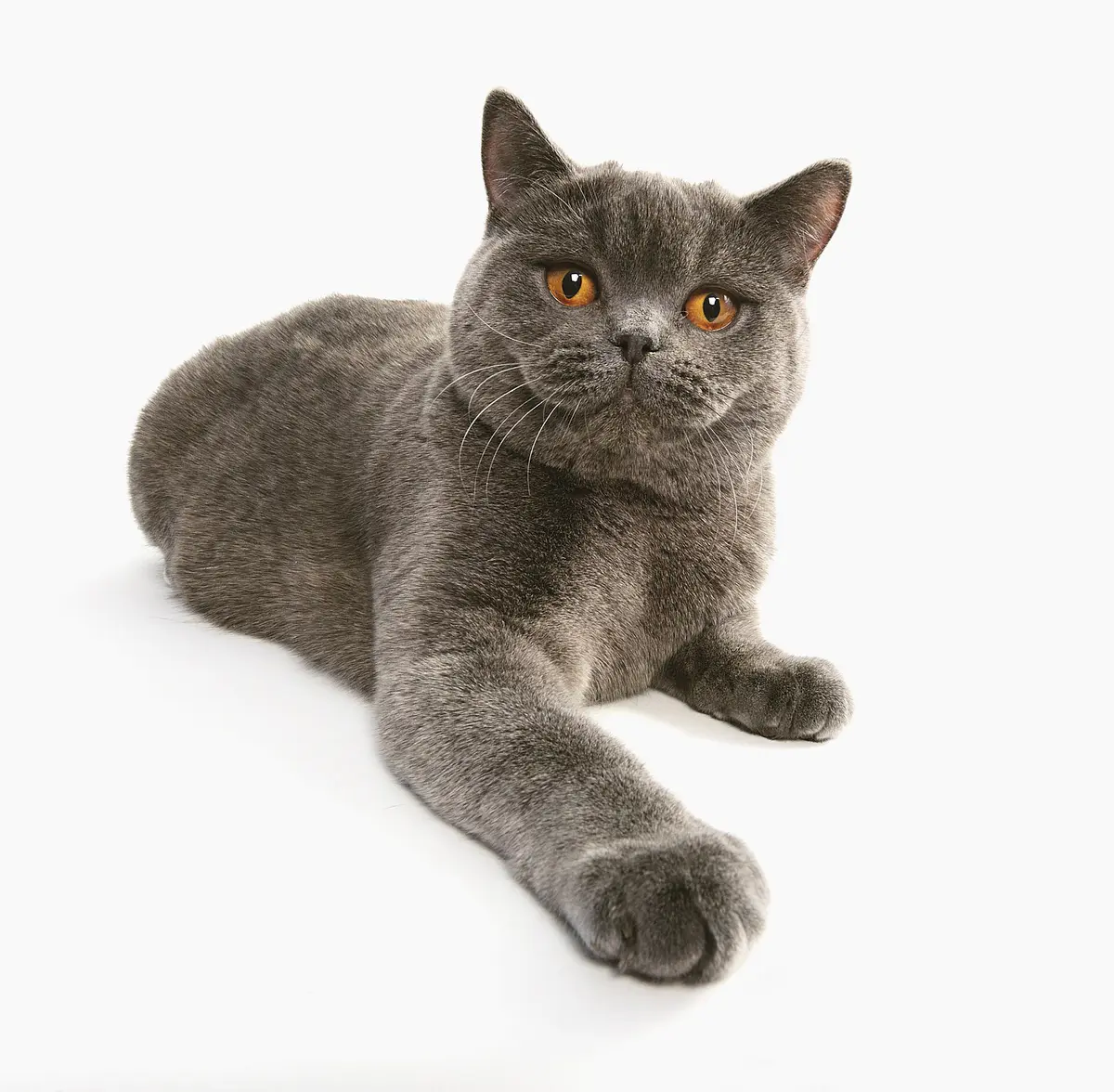
A useful animal comparison asks the same question of both subjects. Two profiles can look equally detailed while describing different things: one lifespan may be a typical range, another an exceptional record; one size may include a tail and another may not. Filling a table is only the beginning.
Use the worksheet below for a short classroom task or your own research notes. Copy the headings into a document or notebook and keep the source column. You do not need a fact for every field, and a carefully explained gap is better than a confident guess.
Choose a pair for a specific question
For a shape study, choose photographs with reasonably comparable views. For a research task, pick subjects with enough source material to answer the same questions. A random batch of three gives you two subjects and one alternative without requiring you to use the first two at any cost.
State the level of the comparison at the top of the page. Comparing two cat breeds is different from comparing a domestic cat with a wild cat species. A shared scientific name does not necessarily make two breed entries duplicates, but it does change what kind of difference you are investigating.
Copy this comparison worksheet
Replace Animal A and Animal B with exact names and profile URLs. Keep a source note beside each answer, even when several fields use the same reference. The final column should say what was checked, not merely list the homepage of a large organization.
| Question | Animal A | Animal B | Evidence or limitation |
|---|---|---|---|
| Common and scientific names | Record both | Record both | Check that each source describes the intended subject |
| Entry level | Species, subspecies or breed? | Species, subspecies or breed? | Do not mix the levels without explaining why |
| Geographic range | Record the named area | Record the named area | Note the source and its date when available |
| Habitat | Record the environment | Record the environment | Keep habitat separate from geographic range |
| Diet | Record foods or a supported category | Record foods or a supported category | Note whether the source describes wild or managed care |
| Size or weight | Value, unit and definition | Value, unit and definition | Match age, sex and measurement conditions where possible |
| Lifespan | Value and stated conditions | Value and stated conditions | Do not equate a maximum record with a typical range |
| Visible feature | What this photograph shows | What this photograph shows | Label this as an observation of the image |
| Question still open | What needs another source? | What needs another source? | Write not found when appropriate |
Make the evidence comparable
Choose one unit for each measurement before comparing the values. Keep the original value in your notes so a conversion can be checked later. Do not turn a rough range into a number with many decimal places; the presentation should not imply precision the source never supplied.
Read the words around a number. Adult, juvenile, male, female, maximum, average, wild and in human care can change the meaning of a comparison. When conditions do not match, label the mismatch instead of declaring one animal larger or longer-lived on that basis alone.
A worked example of careful wording
Suppose one subject is a red panda. Smithsonian's National Zoo describes its native environment as high-altitude temperate forest with a bamboo understory. In the habitat row, write a short paraphrase and attach that reference; do not substitute the general word Asia, which belongs in a range discussion rather than naming the environment.
For the other animal, look for an equally specific habitat description. If you cannot find one, leave the comparison incomplete at that point. You can still compare fields with adequate evidence. A worksheet is a record of what you established, not a requirement to manufacture symmetry.
Sources for this section: Smithsonian's National Zoo: Red panda, Native Habitat
Turn the table into four supported sentences
Start with two similarities that both source sets support, followed by two differences. Use a narrow sentence such as Both references describe this habitat feature rather than an absolute claim about everything the animals do. Attach the relevant sources to the statements they actually support.
Keep an observation about a photograph separate from a species-wide claim. A picture can show a curled tail or an open mouth in that moment; by itself it does not establish how all individuals behave. Use wording such as In this photograph when the claim is only about the reference image.
Review before sharing
Ask a partner to follow one citation and explain how it supports the corresponding row. Check that both subjects were asked the same questions and that you did not quietly change the meaning of a heading to fit the available data. Remove unsupported superlatives such as always, fastest or longest-lived.
Finish with one question that remains unanswered and the next source you would check. Keep the profile URLs with the worksheet so that the exact catalog entries can be revisited. The most useful comparison makes its limits visible as well as its conclusions.
Sources & further reading
References support the specific factual or image-reuse points noted above. Activity formats are suggestions from Random Animal Picker.
Questions or corrections? Contact us. Animal facts and image licenses are documented on the linked profiles and in our source policy.