Classroom
5 Animal Classroom Activities Using a Random Generator
Plan five adaptable animal activities with clear instructions, student outputs, source checks and a suggested 30-minute classroom schedule.
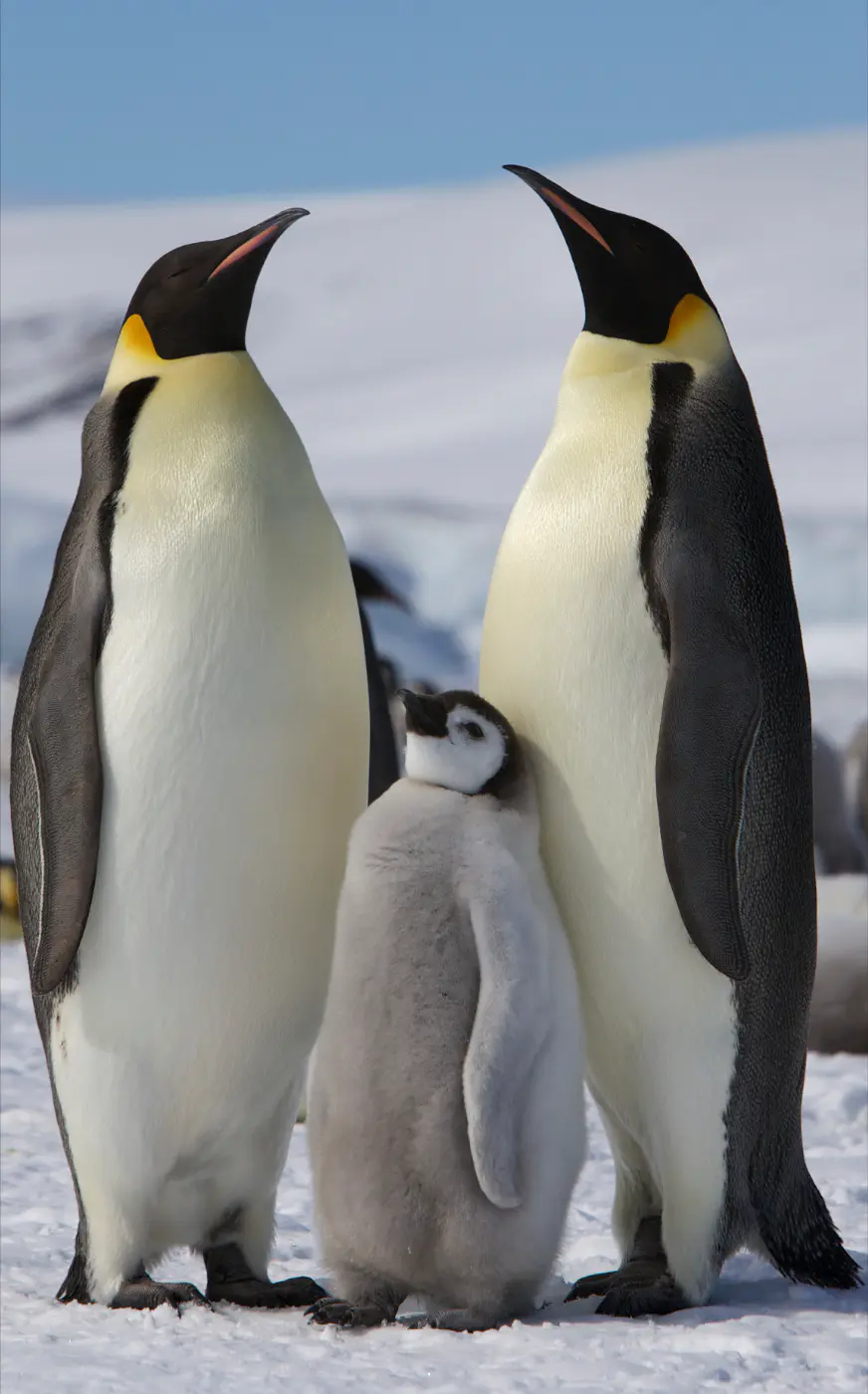
A random animal can be a starting point for a lesson without becoming the lesson itself. Decide what students should produce: a careful observation, a supported comparison, a research question or a short presentation. Then use the generator to distribute subjects rather than to supply every answer.
The following activities are adaptable lesson ideas, not a tested curriculum or a promise of learning outcomes. Adjust the vocabulary, reading load and timing for your group. Preview the chosen profiles so that a missing fact or unsuitable reference does not interrupt the task.
Prepare a usable set of subjects
Open the relevant generator and draw a small batch with no repeats enabled. For a focused lesson, keep one group such as birds or mammals. For a classification discussion, deliberately use several groups. Do not assume an unrestricted random batch will provide a balanced selection.
Number the results and assign one profile to each pair. Save the links outside the tool before drawing again. If your class is larger than one batch, continue the same round and keep a written assignment list. Distinct catalog entries can still be breeds of the same species, so check the actual set.
1. Observation or inference?
Show the photograph without asking students to produce a fact sheet. Ask for three statements beginning with I can see and two beginning with I wonder. Visible color, body position and the objects in the image can belong in the first group. Lifespan, usual diet and geographic range need other evidence.
Have pairs exchange statements and underline any claim that goes beyond the photograph. The output is a two-column note, not a list of guessed facts. For an extension, let students choose one question and find a source that addresses it.
2. A four-field research card
Assign the common name, scientific name, geographic range and one food or habitat detail. Require a source link beside each researched claim. A profile is a convenient starting point, but students should follow the relevant references rather than treating the presence of a source list as proof of every sentence.
Allow the entry Not found in the sources checked. Ask students to write the missing question instead of filling the space with a likely answer. The finished card should contain four fields, source notes and one unresolved question; shorten the task to two fields when reading time is limited.
3. Compare two animals using the same questions
Give each pair two subjects and a shared set of headings: group, range, habitat, diet and one visible feature. Students should use the same measurement units and distinguish conditions such as wild versus managed care when a source gives lifespan information.
Ask for two supported similarities and two supported differences. 'Both are interesting' is an opinion, not the comparison requested. End with one sentence about a limitation in the evidence, such as an unavailable measurement or a source describing only one population.
4. Sort the animals, then defend the rule
Give a group several names or profile links. Ask them to invent a sorting rule and explain it before arranging the entries. Possible classroom rules include a verified diet category, a named habitat or an observed feature in the photographs. Keep these different types of rule distinct.
A second group should try applying the rule without help. If an animal fits more than one set, allow multiple placement and ask why. The output is the sorting rule, the arrangement and a note about ambiguous entries, not an unsupported claim that informal themes are scientific classifications.
5. One minute, one claim, one source
Ask each pair to present one researched claim, show the supporting source and explain one remaining question. Keeping the presentation narrow makes source checking practical. A student can describe what a page says without pretending to have independently observed the behavior.
Give listeners a simple job: write the claim they heard and the evidence offered for it. For a nonverbal alternative, use a labeled display card with the same three elements. Assess clarity and support rather than rewarding the most surprising-sounding statement.
A suggested 30-minute structure
Choose one main activity rather than trying to fit all five into a short lesson. Use this schedule as a starting point and extend the research phase when sources need more reading. Keep an alternative subject ready for a profile that lacks the required information.
| Time | Task | Output |
|---|---|---|
| 0–5 minutes | Explain the goal and assign subjects | Named profile links |
| 5–18 minutes | Observe, research or compare | Draft notes with sources |
| 18–26 minutes | Exchange work and check support | One correction or open question |
| 26–30 minutes | Share and reflect | A brief exit note |
Questions or corrections? Contact us. Animal facts and image licenses are documented on the linked profiles and in our source policy.