
Photo temporarily unavailable.
Random Mammal Generator
Pick a random mammal with a real photo and facts. Choose 1, 3, 5, or 10 results, avoid repeats, and copy the names for a drawing or lesson. Free, no signup.
452 reviewed animals · Page 1 of 19
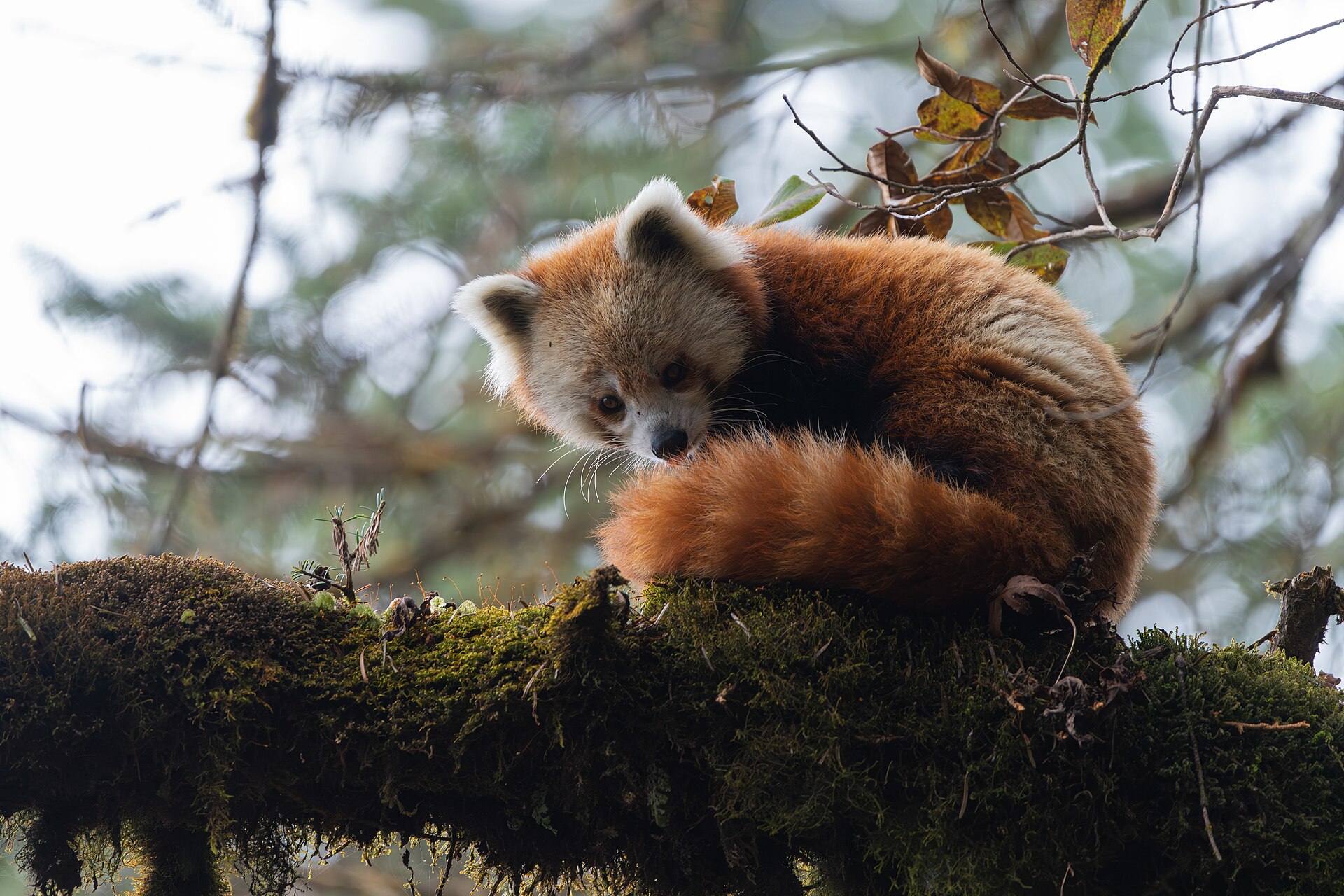
Red Panda
Ailurus fulgens
Mammal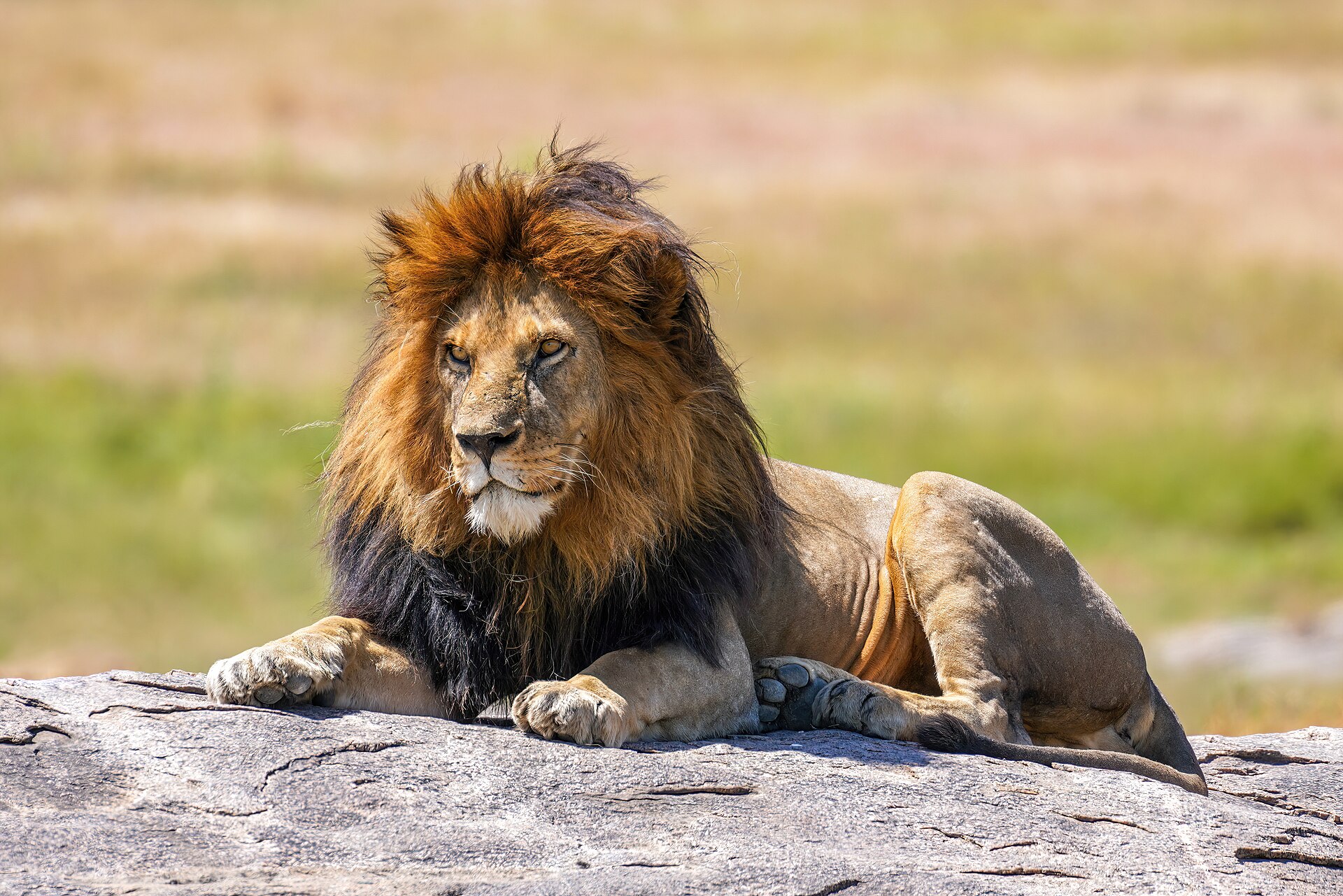
African Lion
Panthera leo
Mammal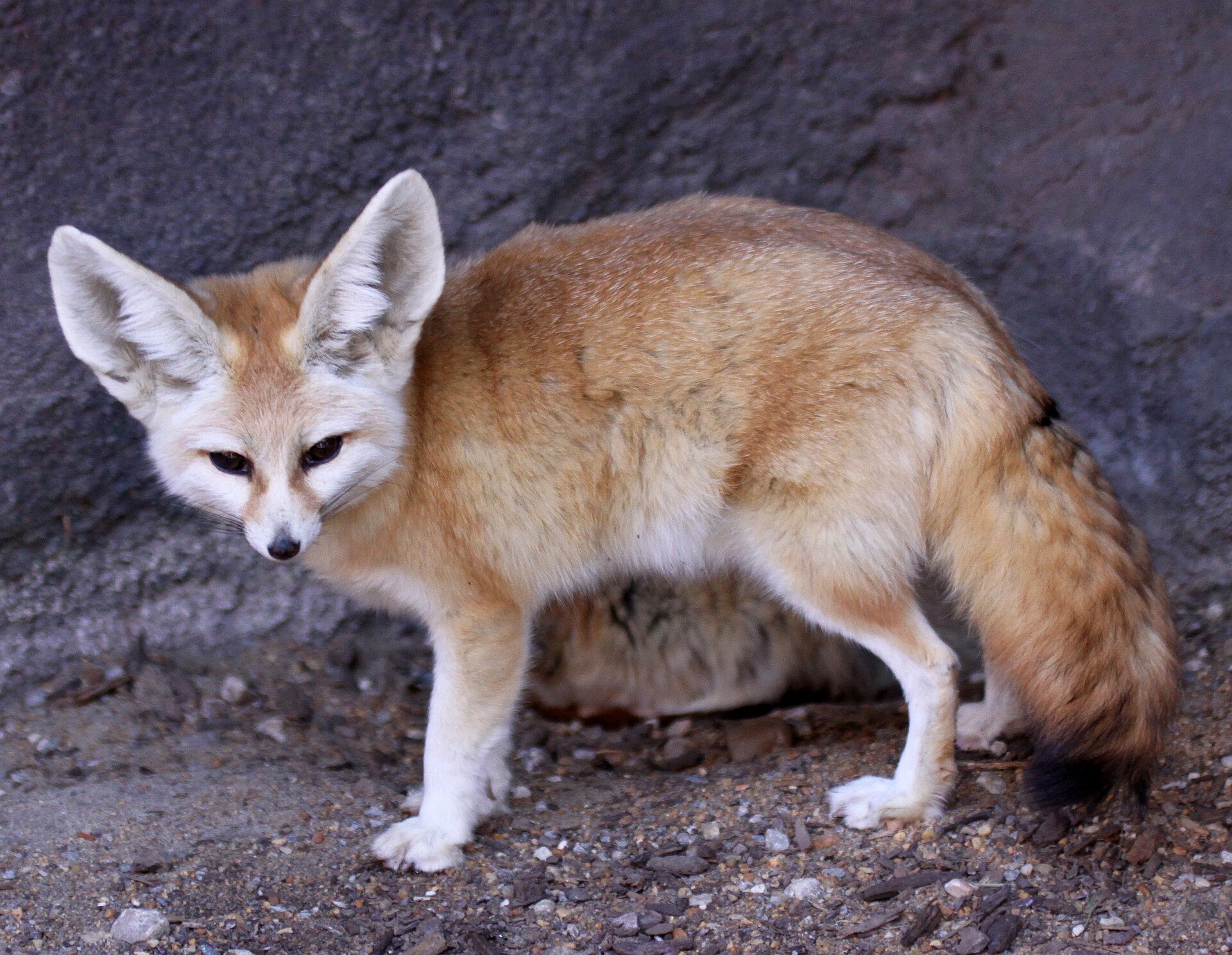
Fennec Fox
Vulpes zerda
Mammal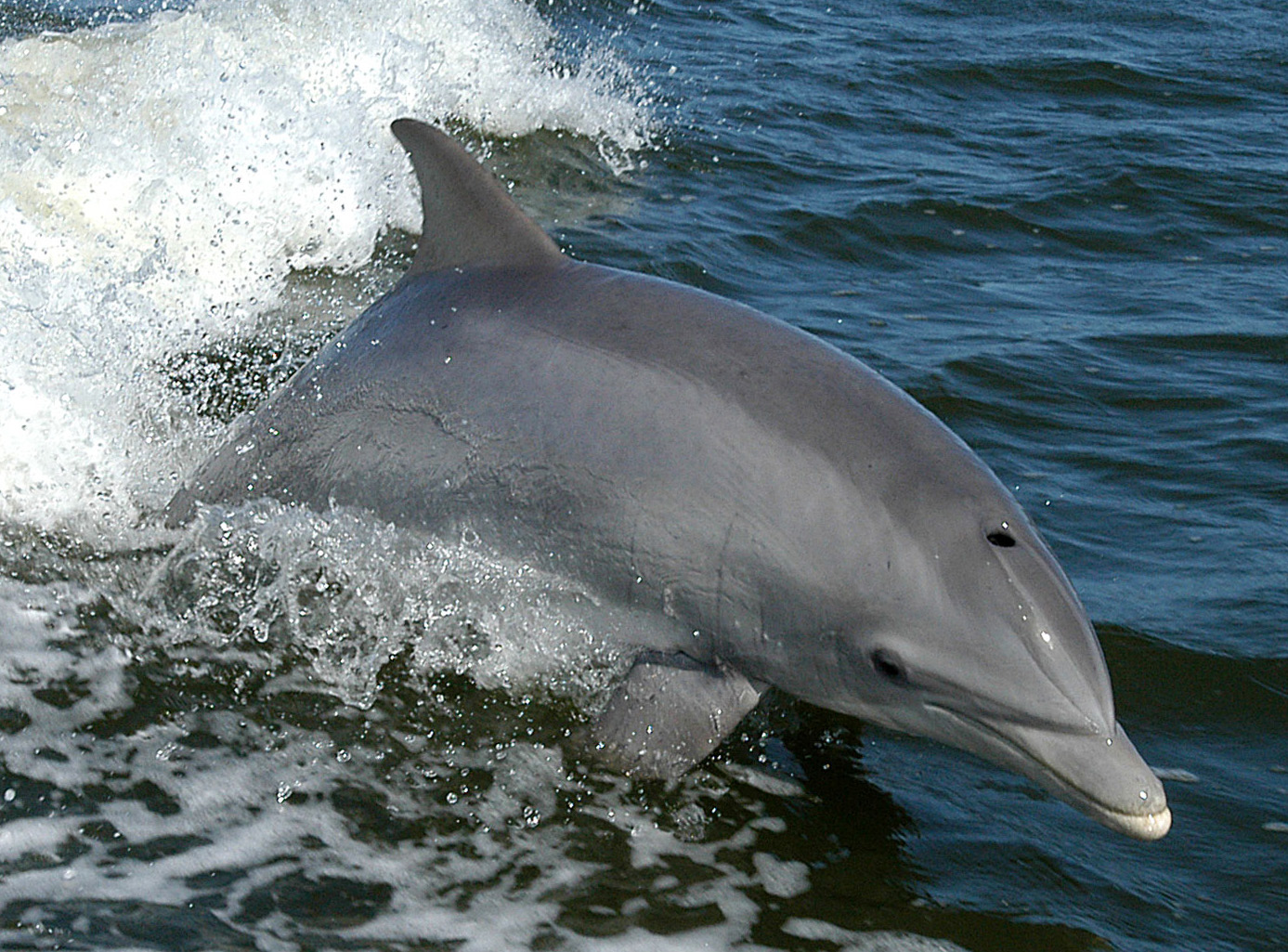
Bottlenose Dolphin
Tursiops truncatus
Mammal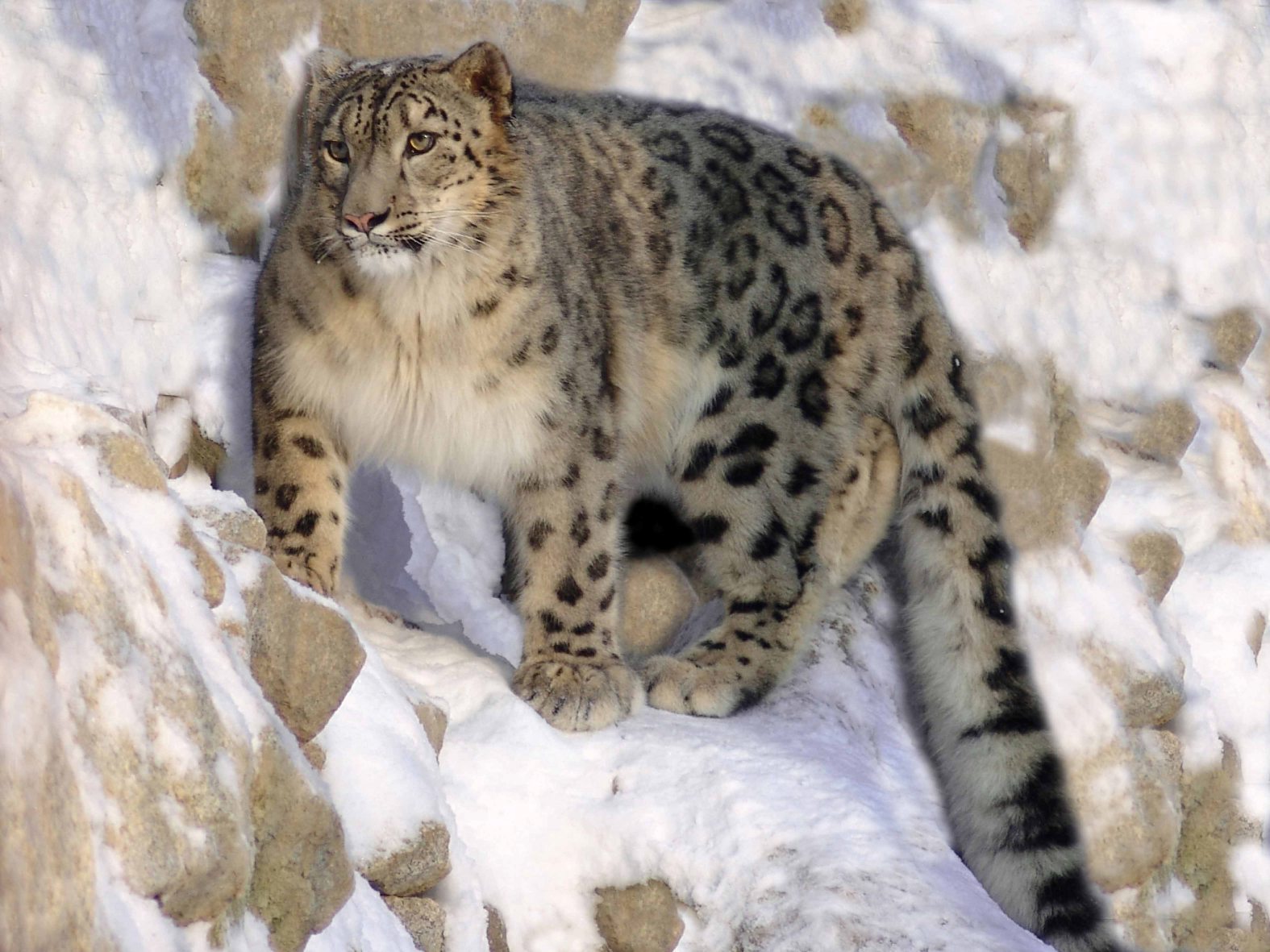
Snow Leopard
Panthera uncia
Mammal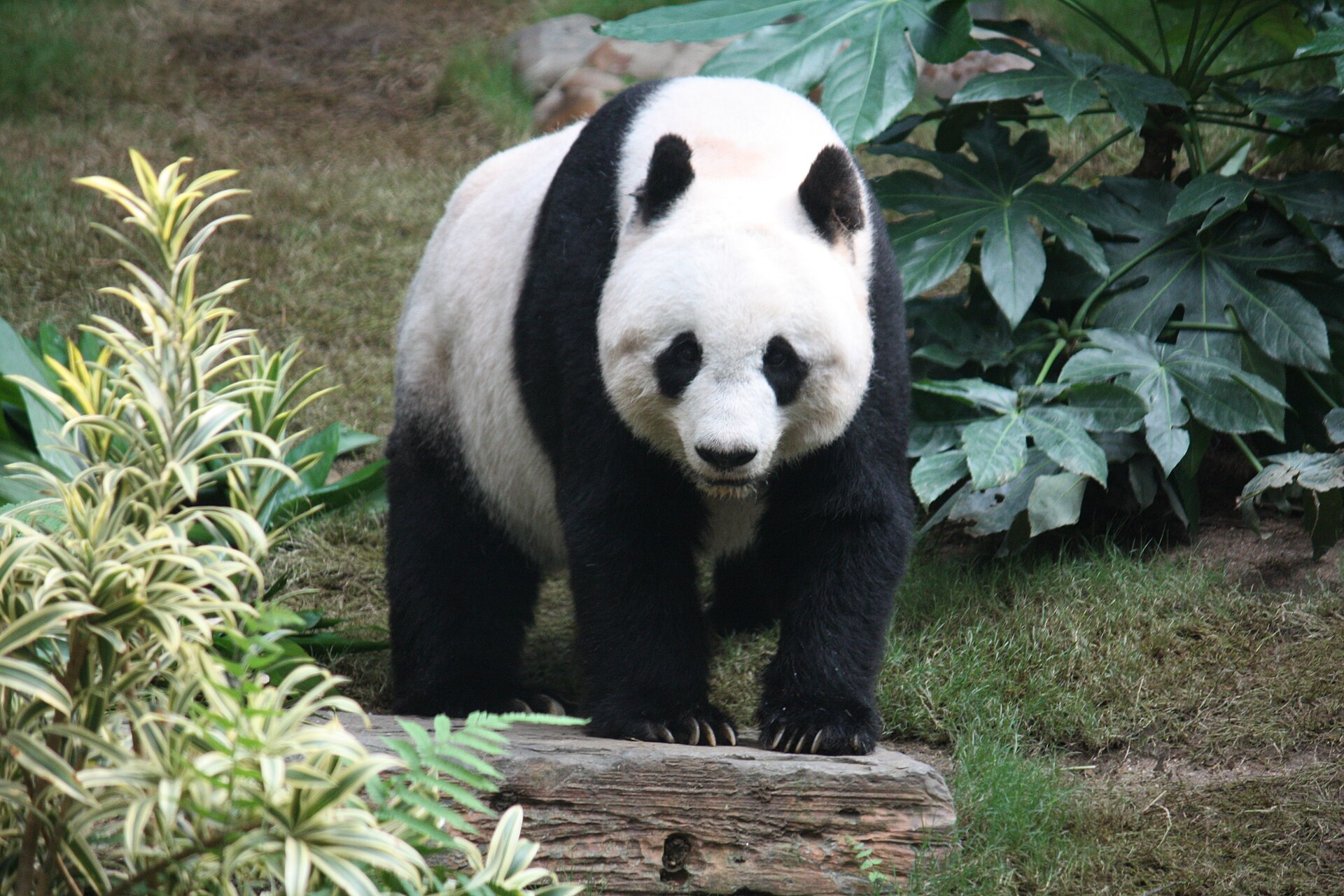
Giant Panda
Ailuropoda melanoleuca
Mammal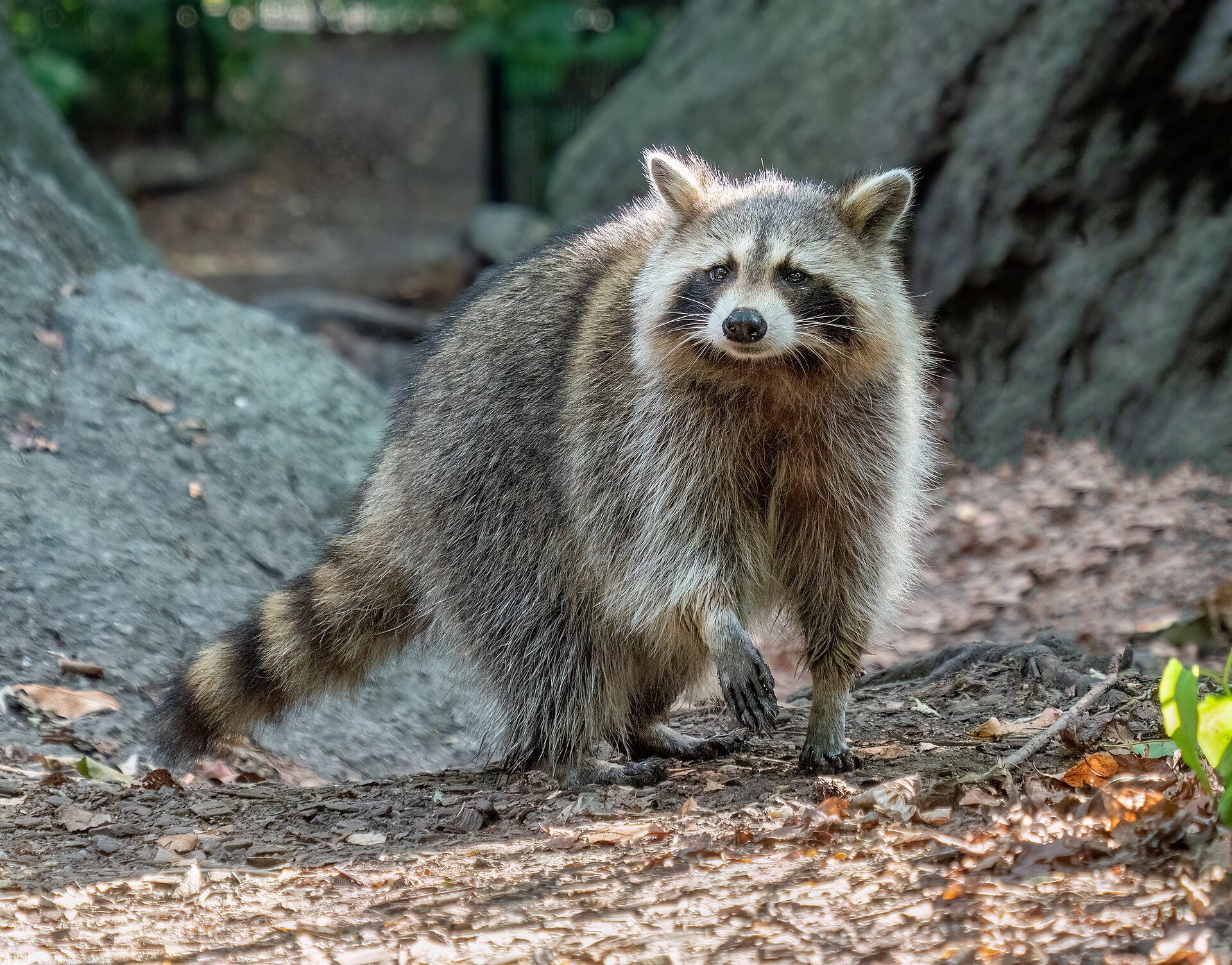
Raccoon
Procyon lotor
Mammal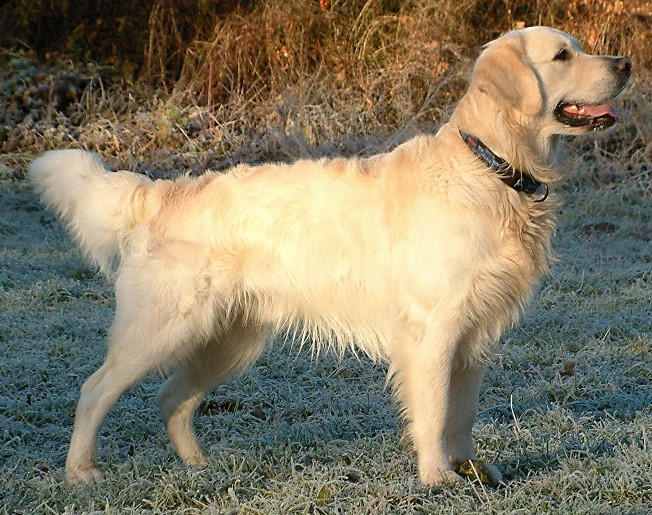
Golden Retriever
Canis lupus familiaris
Mammal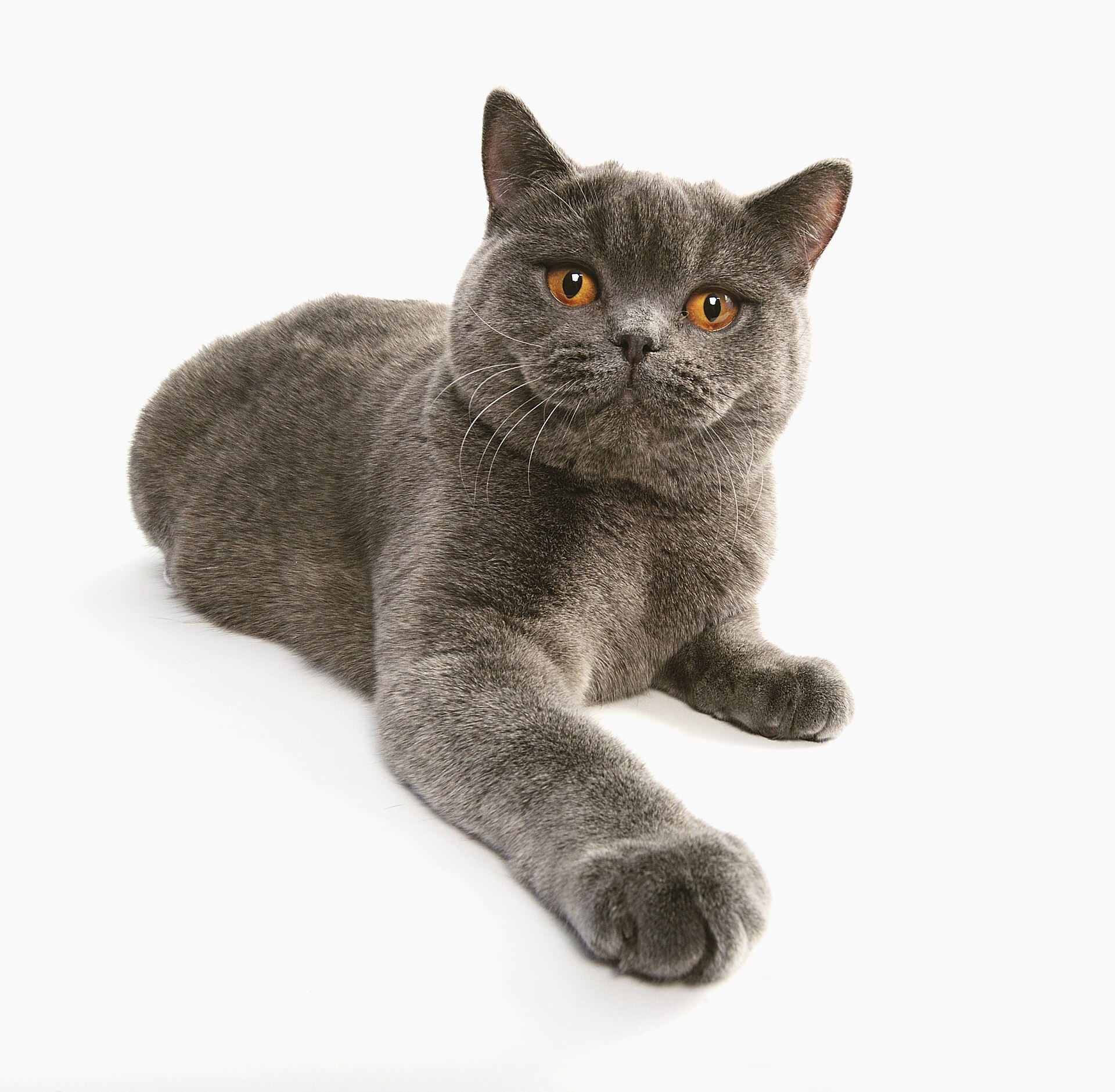
British Shorthair
Felis catus
Mammal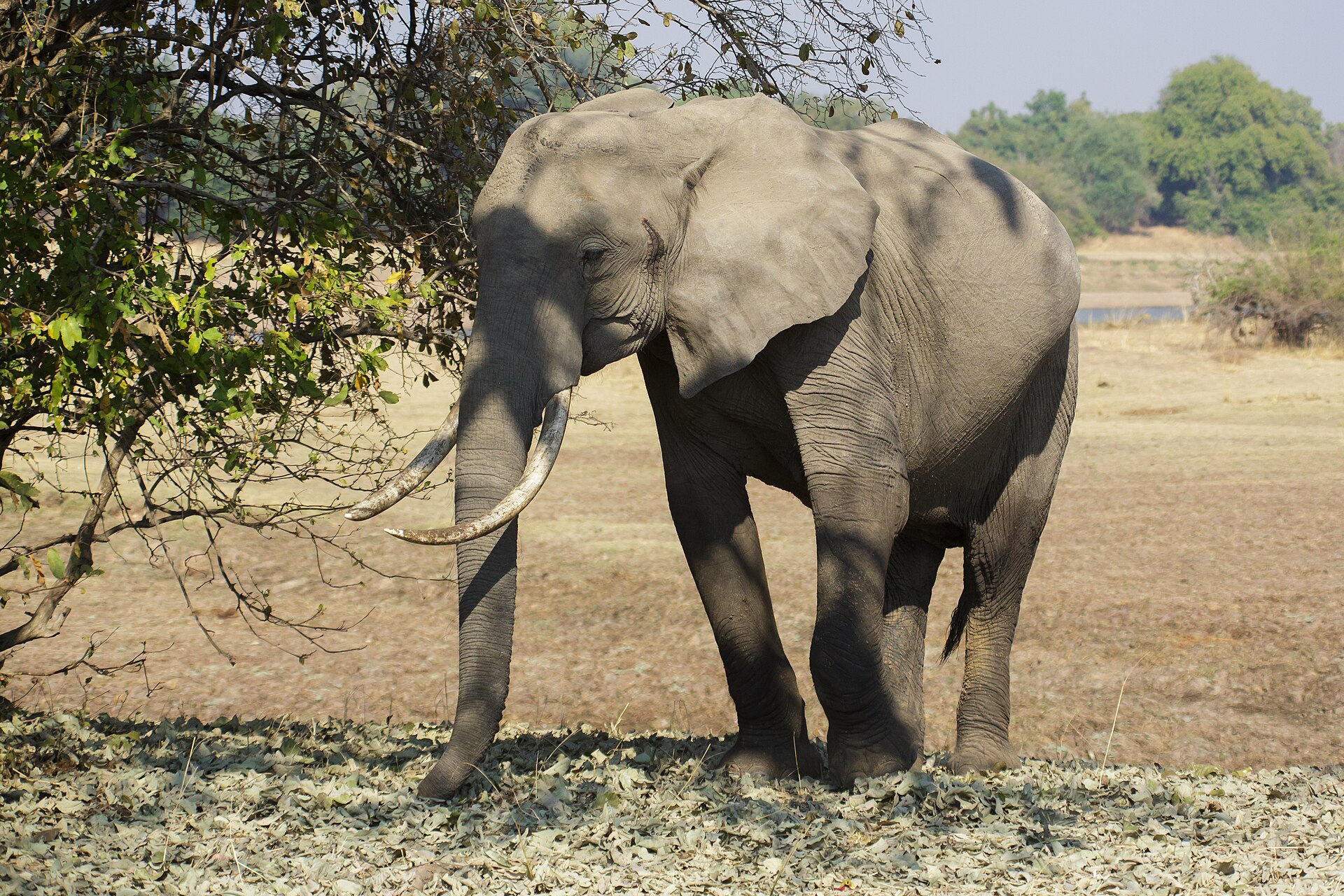
African Bush Elephant
Loxodonta africana
Mammal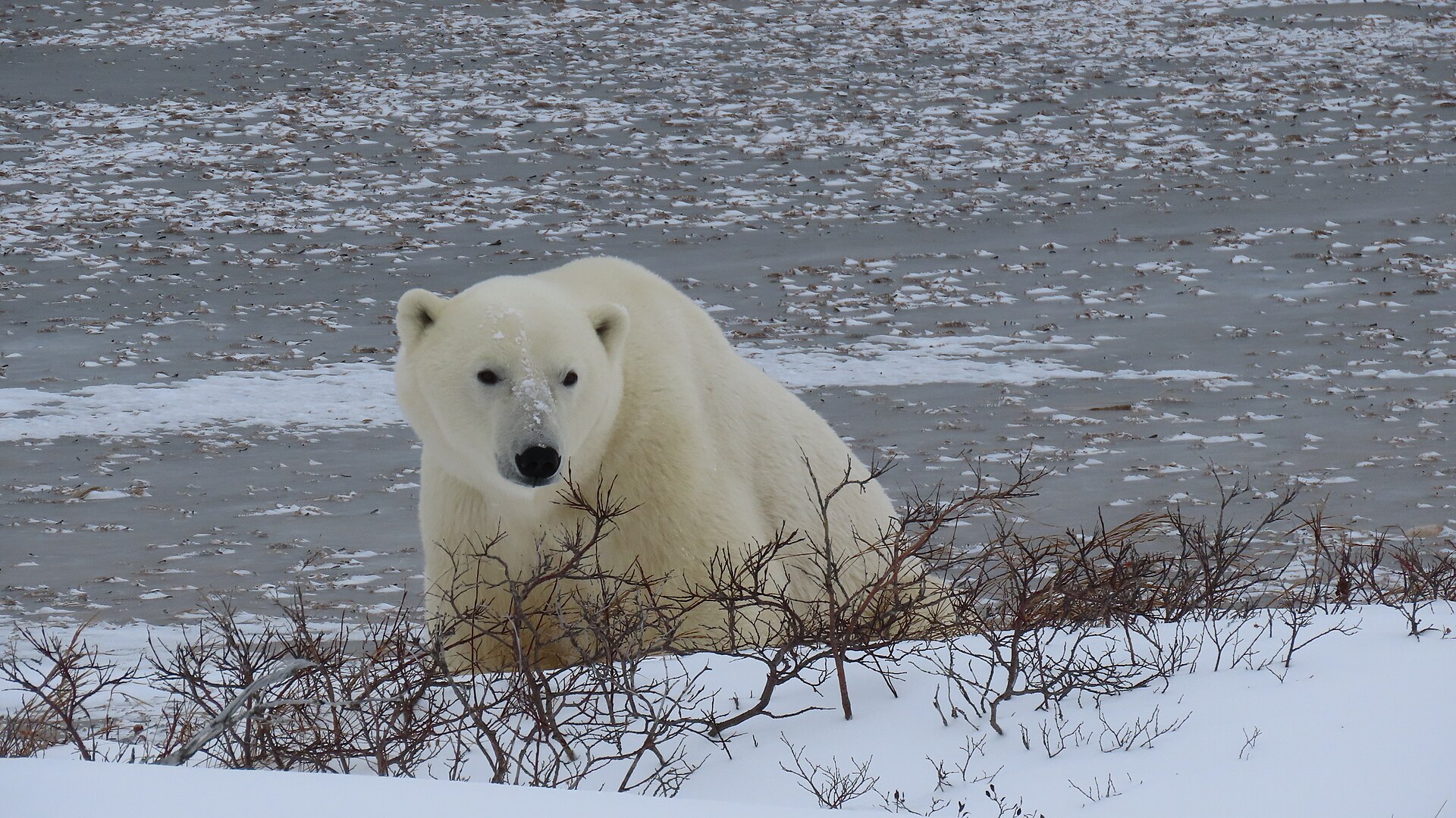
Polar Bear
Ursus maritimus
Mammal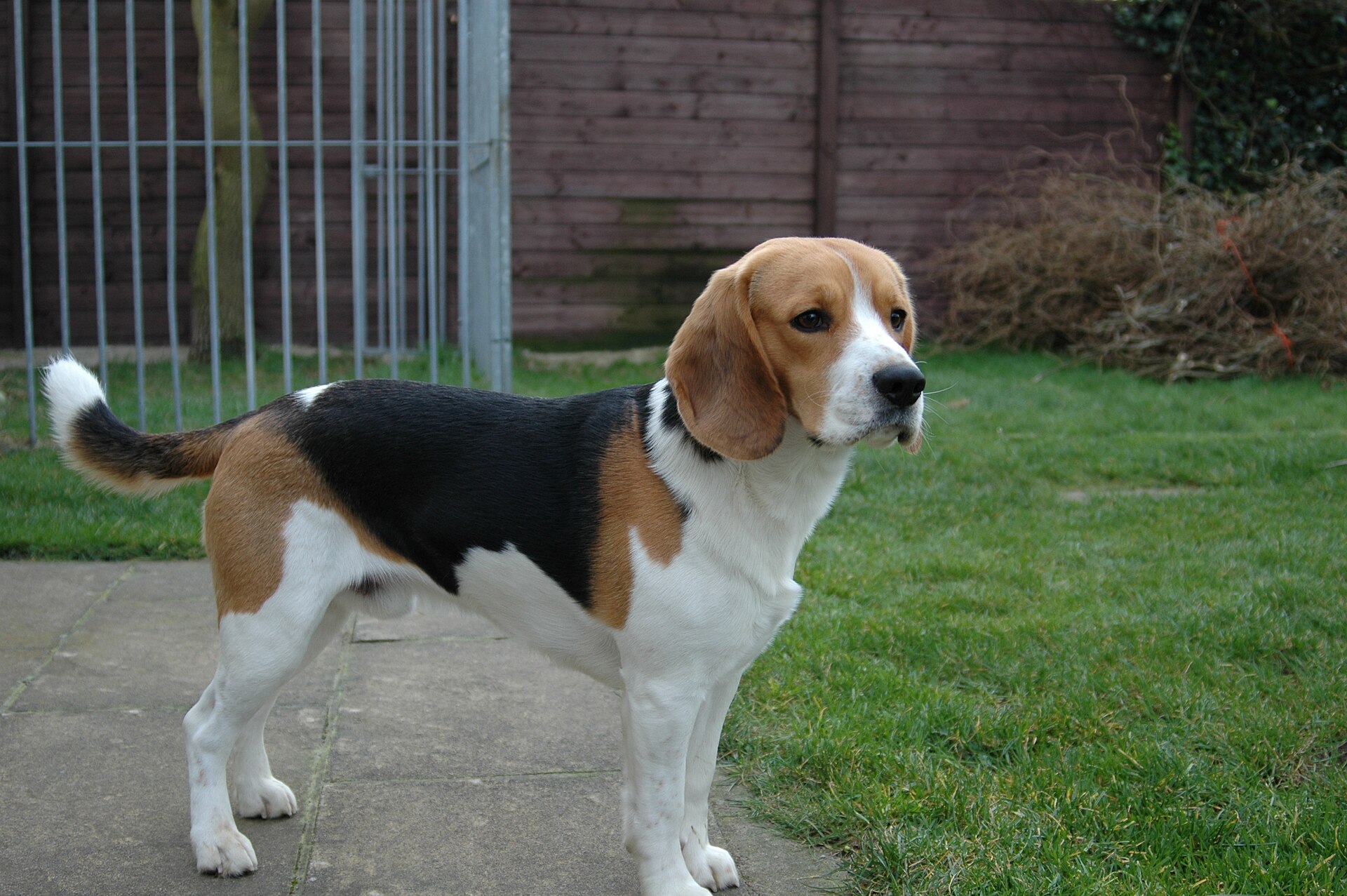
Beagle
Canis lupus familiaris
Mammal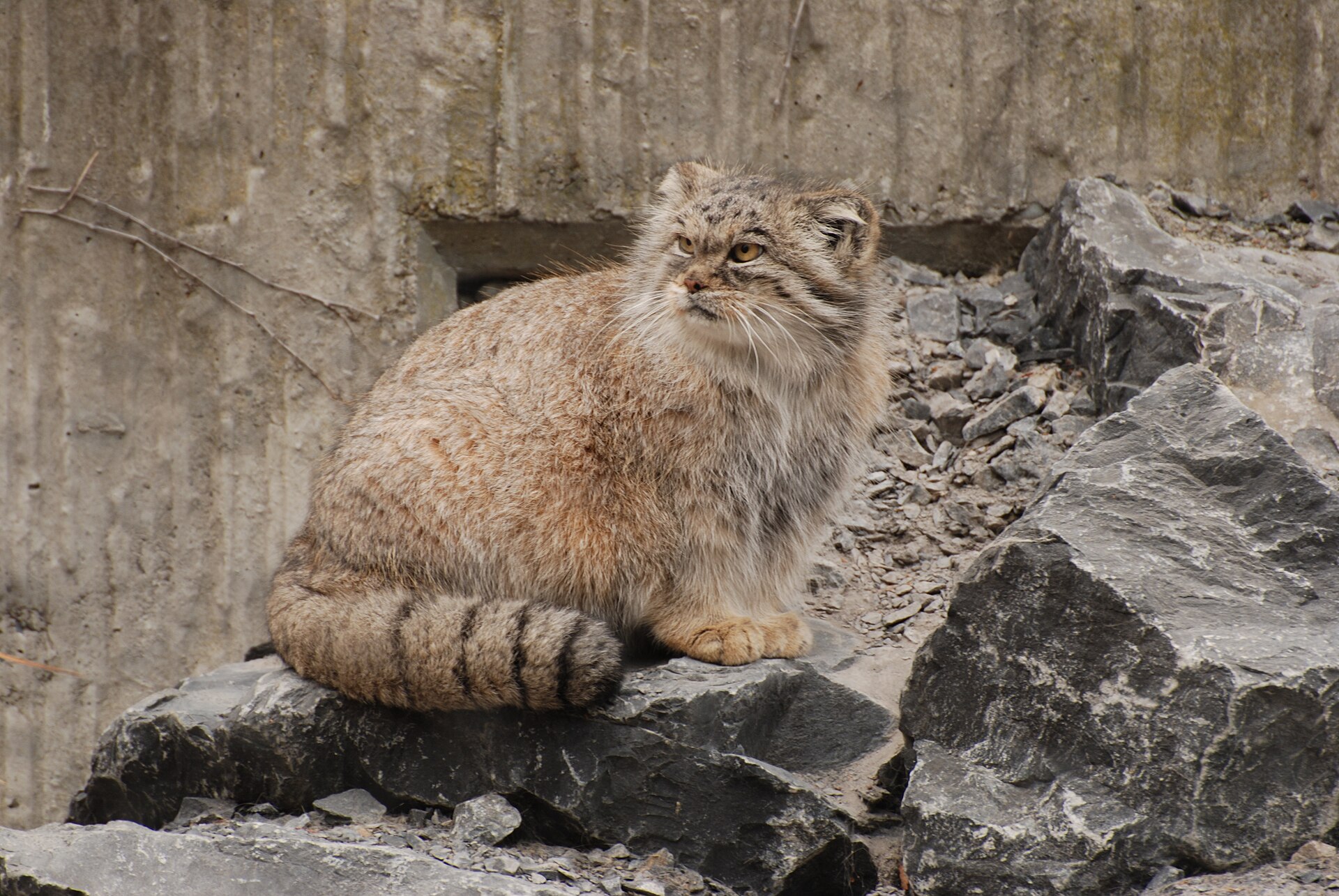
Pallas's Cat
Otocolobus manul
Mammal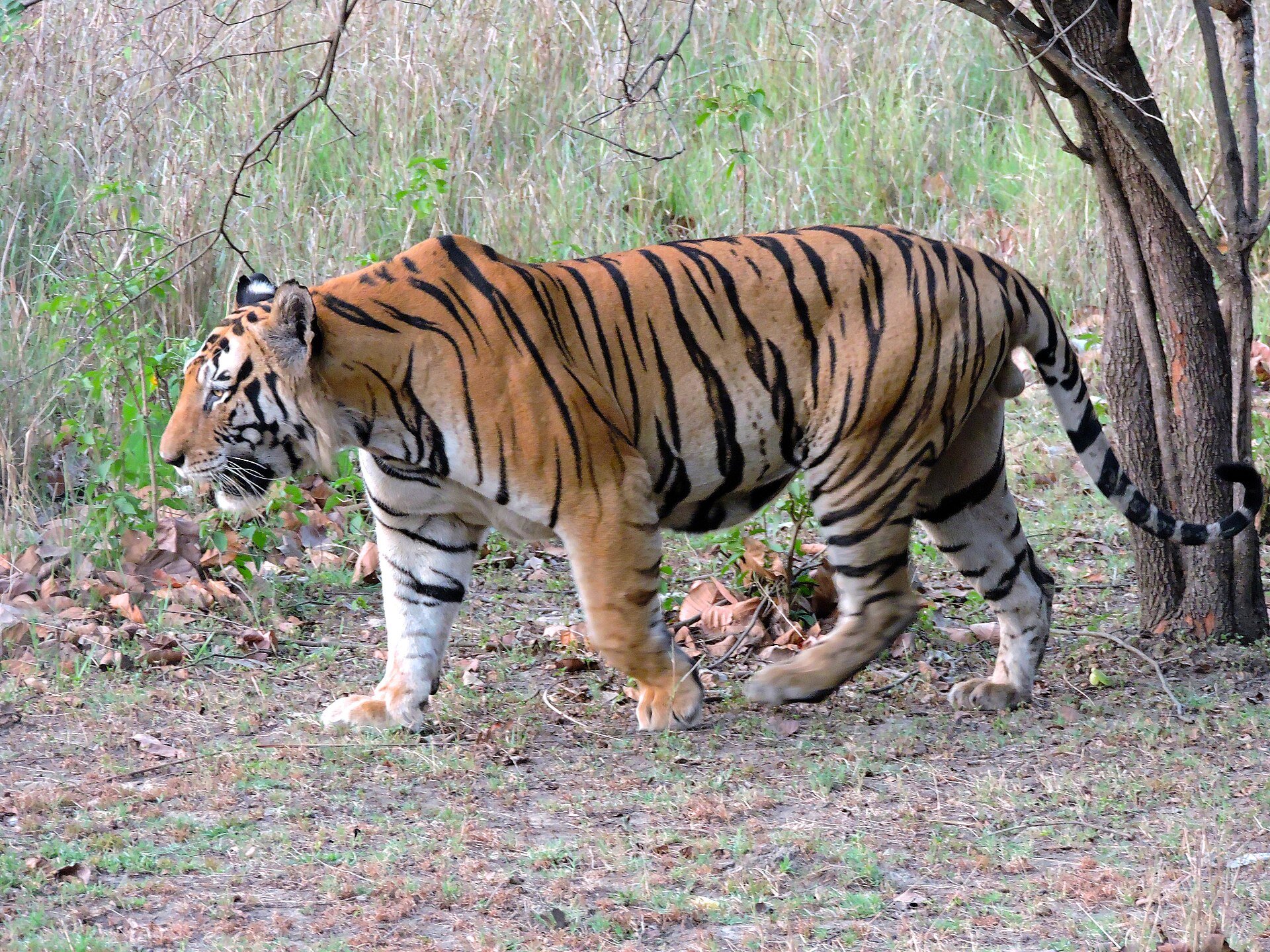
Tiger
Panthera tigris
Mammal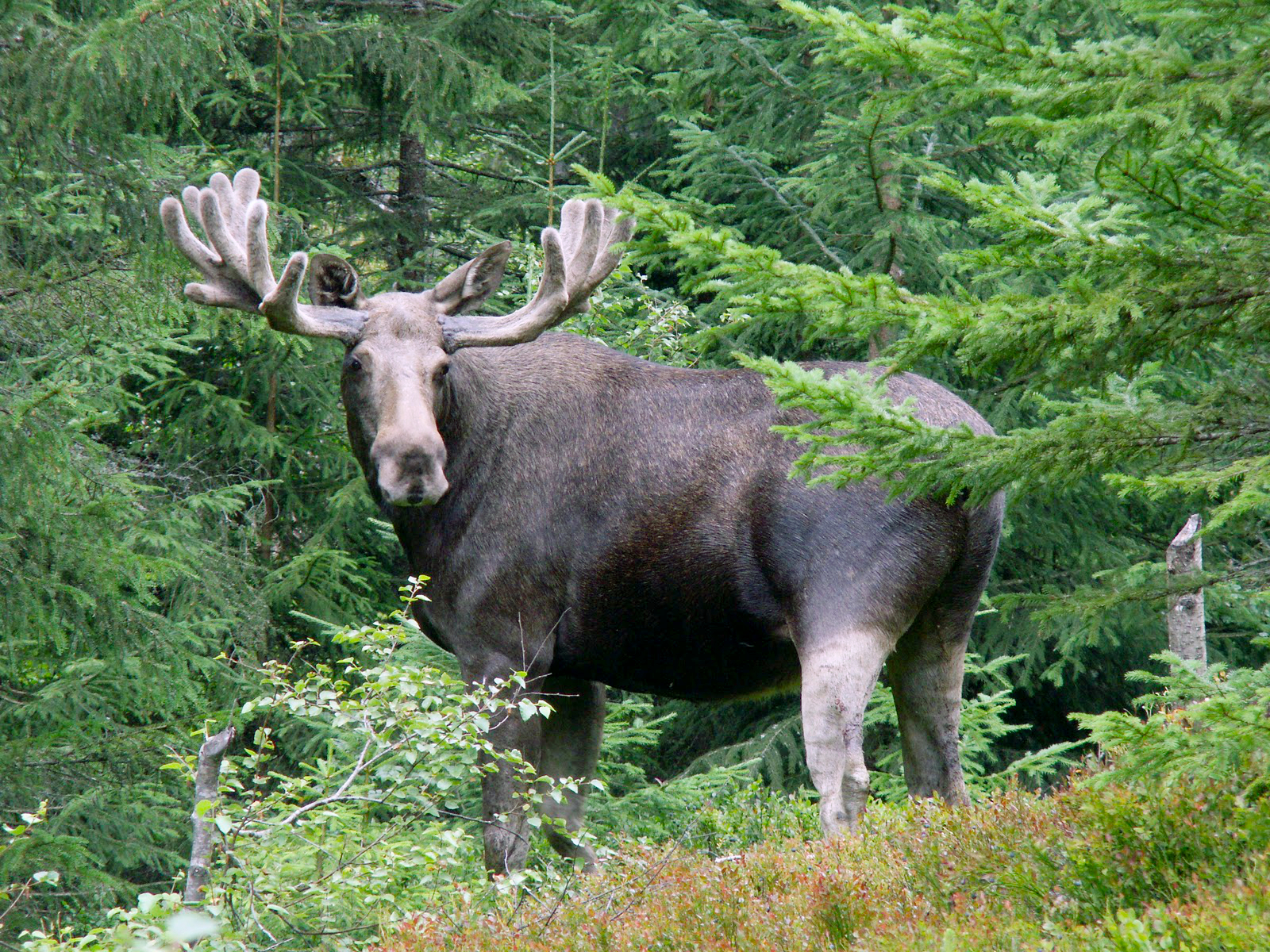
Alces alces
Alces alces
Mammal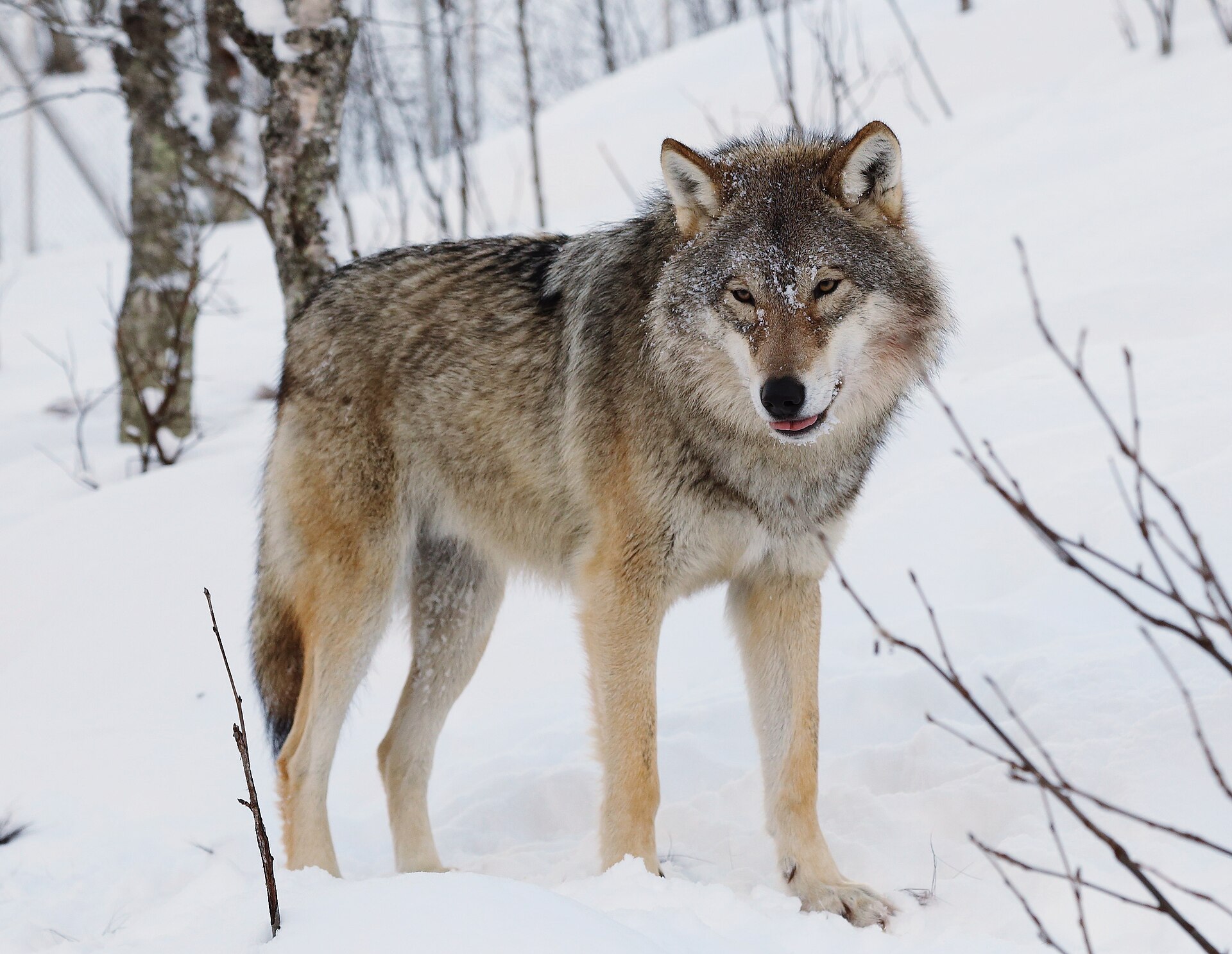
Canis lupus
Canis lupus
Mammal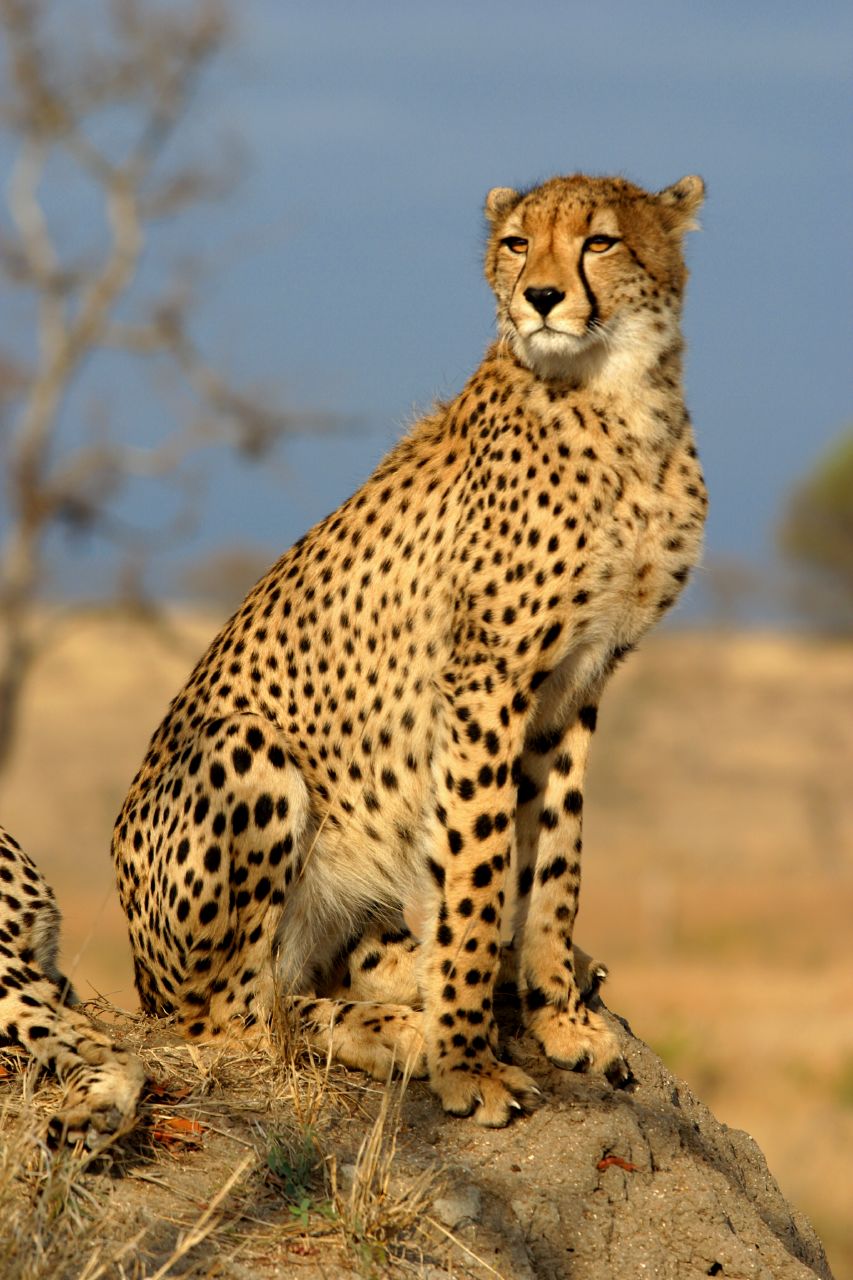
cheetah
Acinonyx jubatus
Mammal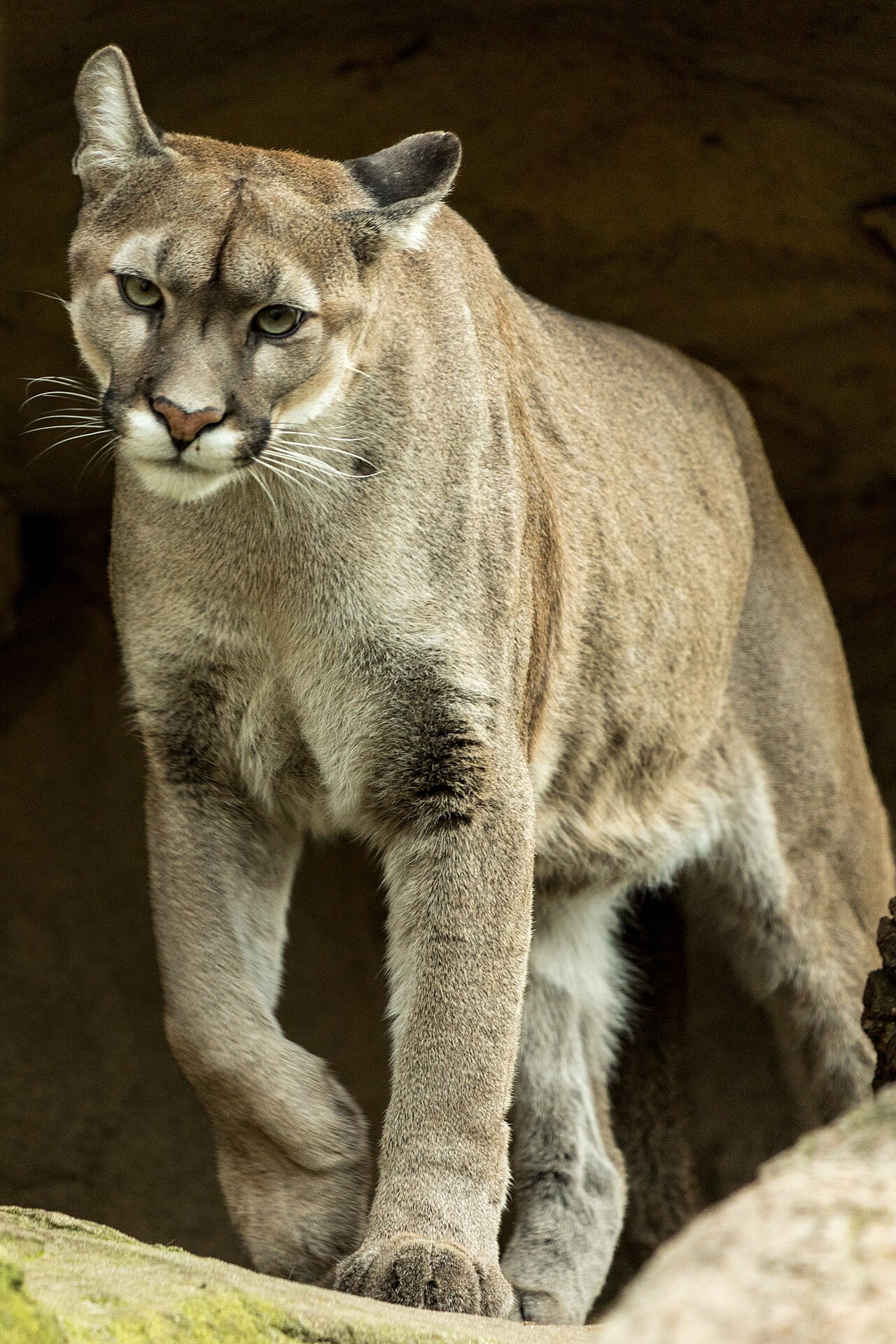
cougar
Puma concolor
Mammal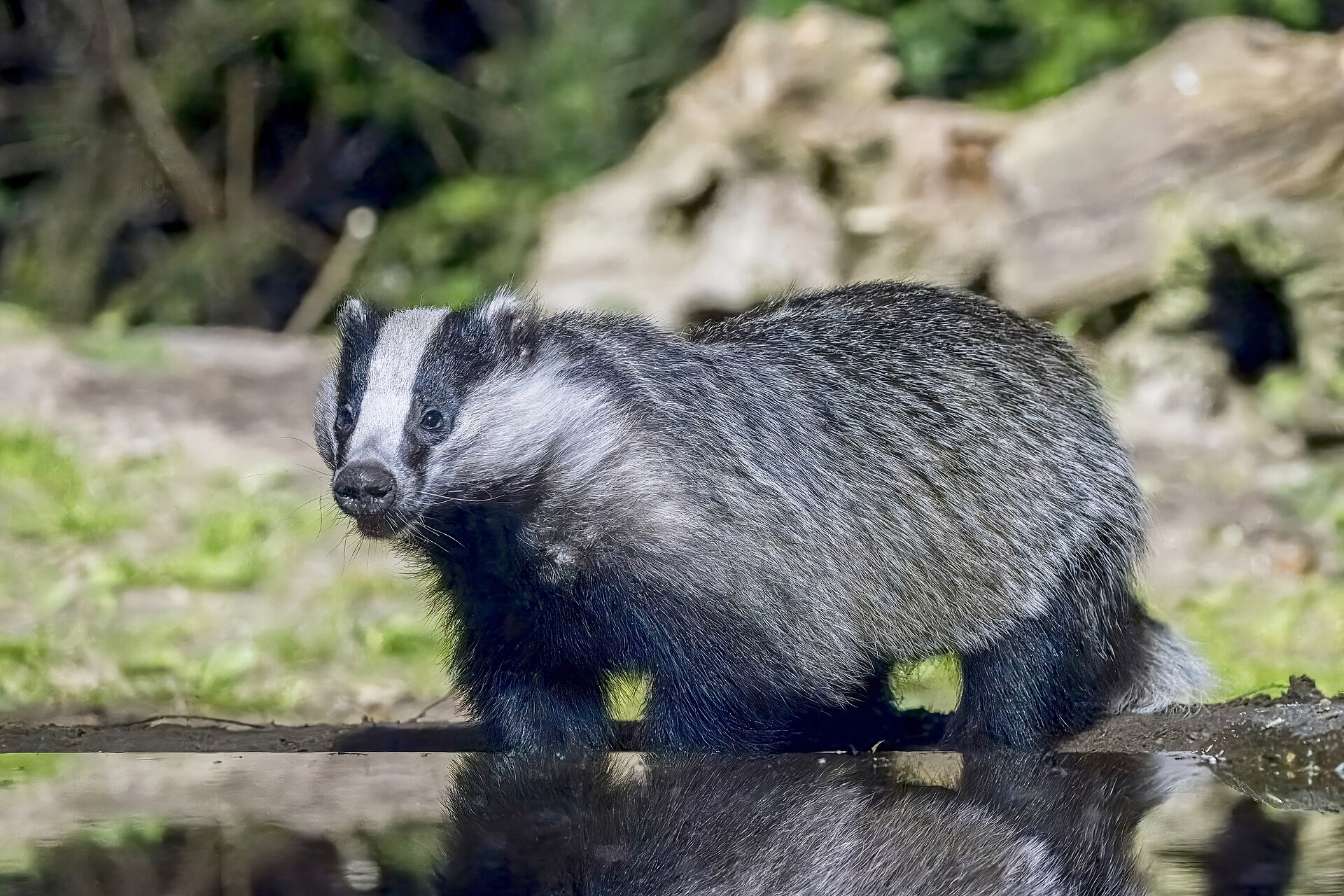
Eurasian badger
Meles meles
Mammal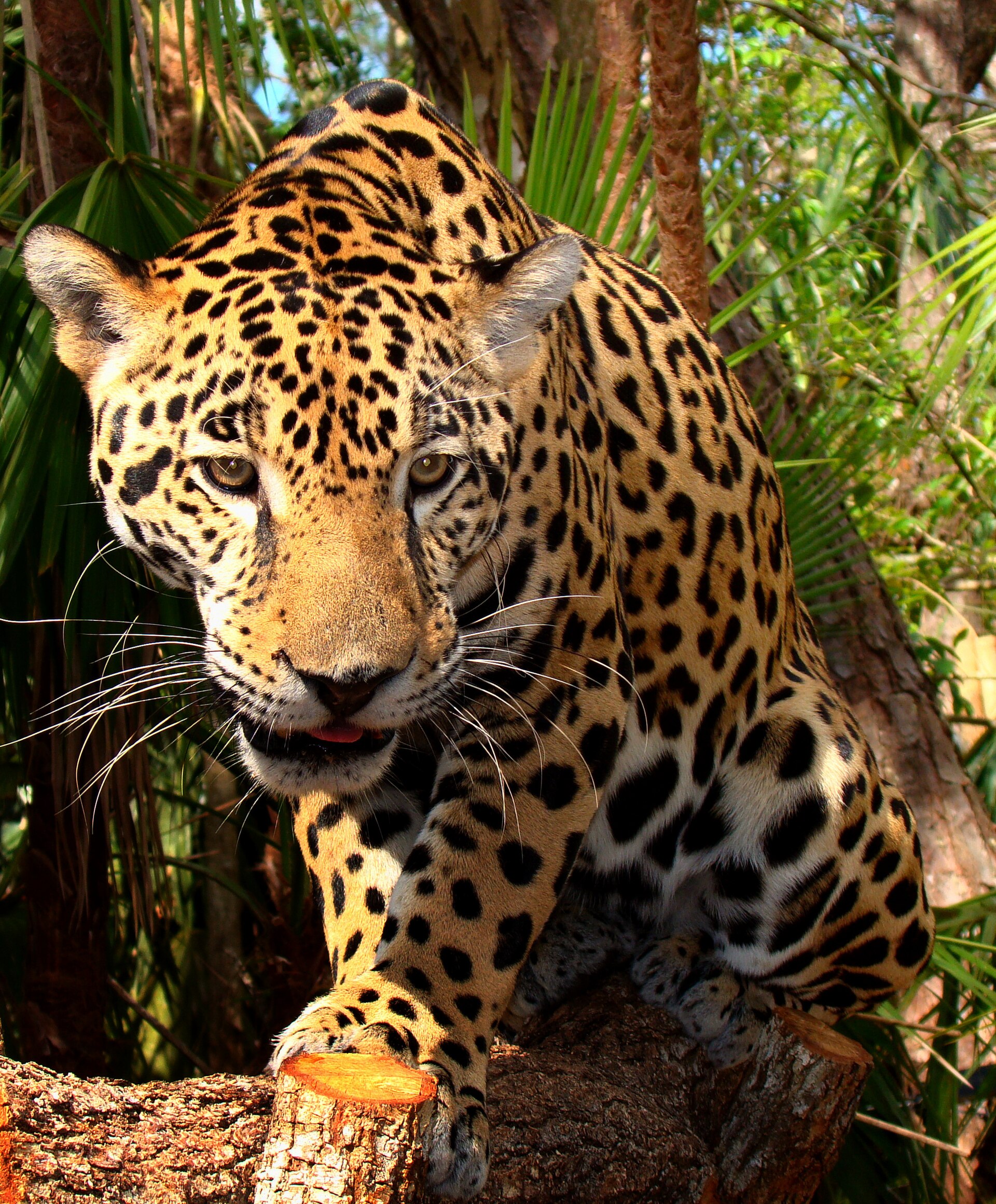
jaguar
Panthera onca
Mammal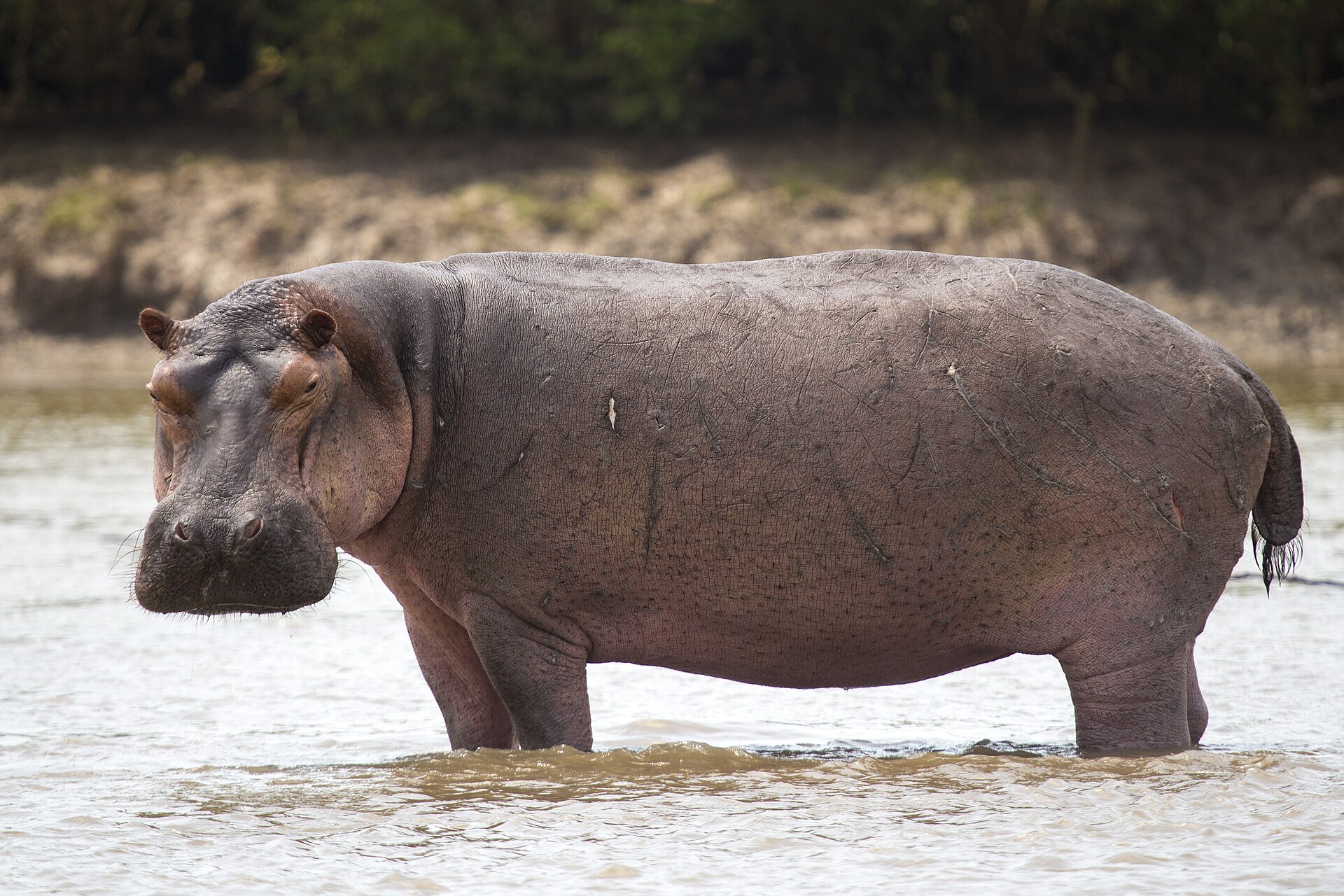
Nile hippopotamus
Hippopotamus amphibius
Mammal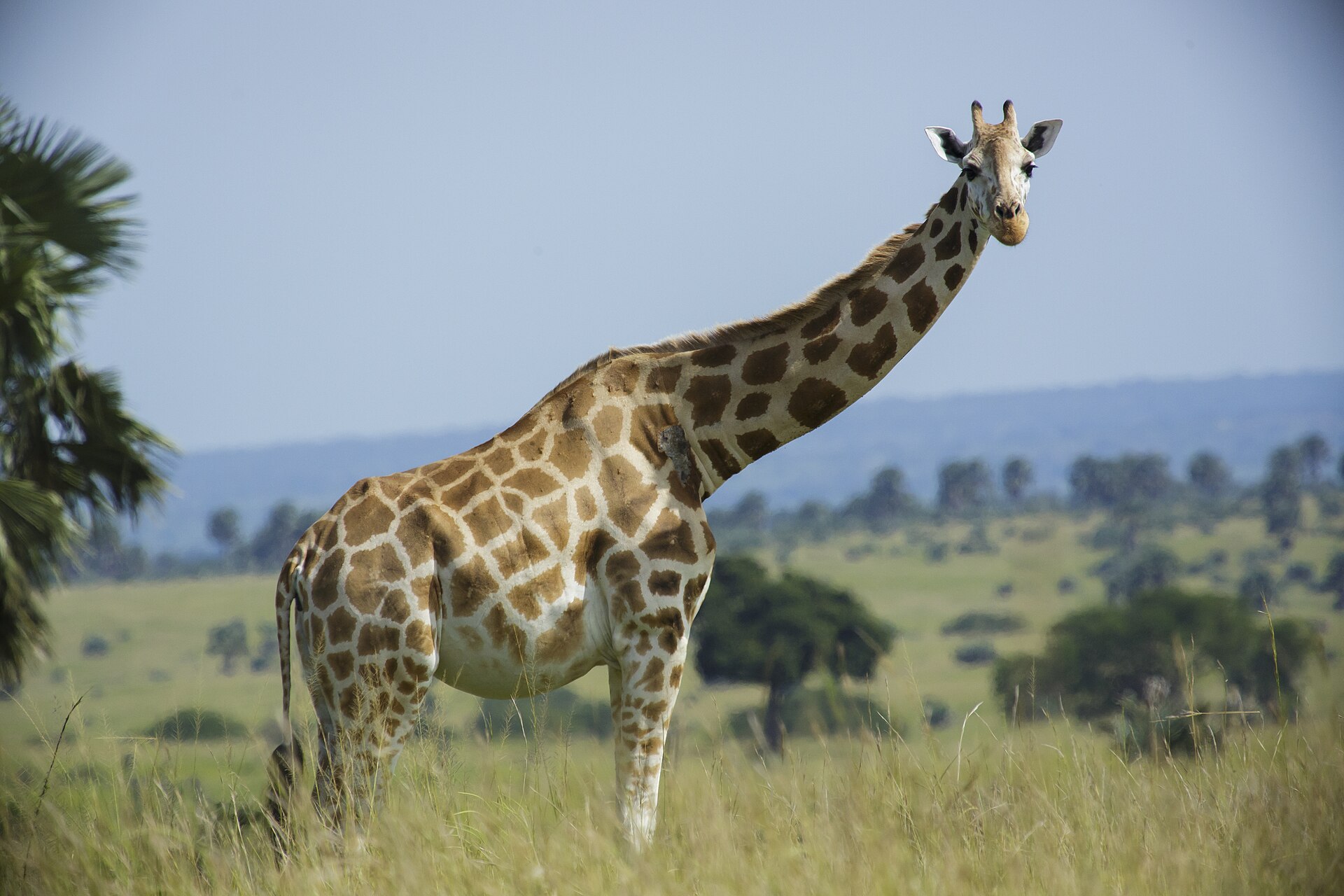
northern giraffe
Giraffa camelopardalis
Mammal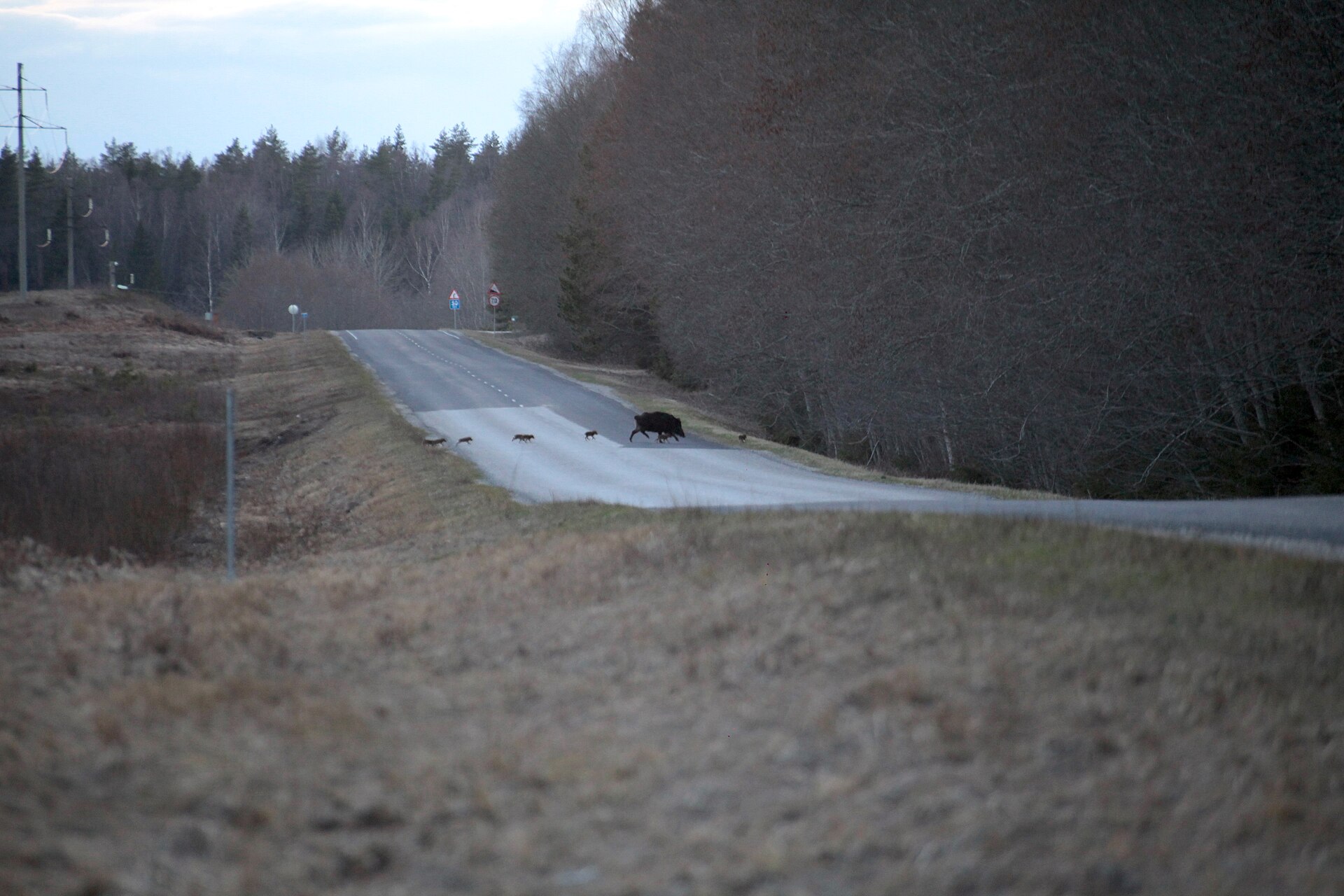
Sus scrofa
Sus scrofa
Mammal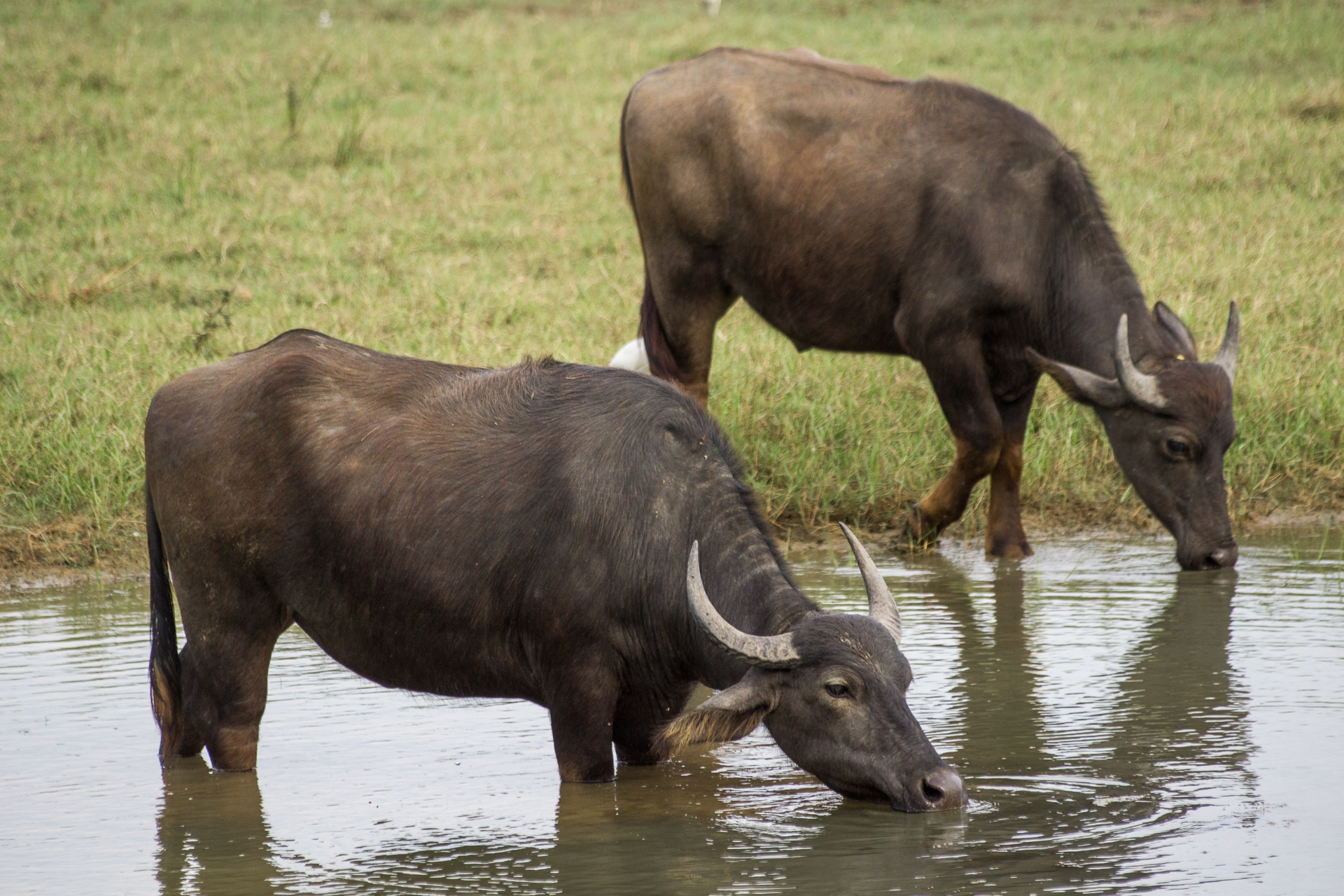
water buffalo
Bubalus bubalis
MammalFind a random mammal with a photograph
The mammal generator uses the catalog's Mammal classification. It does not restrict the draw to one habitat or to wild species, and the catalog can contain breed and subspecies entries alongside species. Inspect the actual result before building a comparison around it.
For a useful research task, compare like with like. Check what a measurement describes and whether a lifespan is typical or a recorded maximum. When the profiles do not provide comparable information, choose a different question instead of turning unlike figures into a ranking.
Make a two-mammal evidence table
- Generate three possibilities Pick three entries, then retain two with enough information for your chosen question. Keep their names and profile links.
- Use the same fields Create columns for exact identity, geographic range and one feeding or habitat detail. Follow source links instead of guessing from the photographs.
- Write a qualified comparison Summarize one supported similarity and one difference. Note missing information and avoid treating your small catalog draw as a representative sample of all mammals.
Common questions
Can you give me a random mammal with a picture?
Yes. Select Generate animals to pick a mammal with a real photograph. Choose 1, 3, 5, or 10 results, copy the animal names, or open a profile to check available facts and photo credit. No repeats this round keeps used catalog entries out of later draws.
Does the mammal generator return only land animals?
No land-only condition is applied. Eligibility comes from the Mammal classification rather than a habitat filter; consult each profile for where the selected animal lives.
Will ten results always represent ten different mammal species?
No. A batch contains distinct catalog entries, which can represent species, subspecies or breeds. No repeats tracks those entries, not unique scientific names or taxonomic families.
Can I rank the generated mammals by lifespan or weight?
Only after checking that the facts are available and comparable. A maximum longevity record is not an average, and measurements may use different units or definitions. The draw itself does not normalize a research comparison.