Games
Animal Charades: 24 Ideas and Simple Rules for Group Games
Set up an animal charades game with 24 starter ideas, clear turn rules, accessible variations and a random-generator option for new rounds.
Animal charades works best when players agree on the rules before the first performance. Decide whether sounds are allowed, what counts as a correct name, how long a turn lasts and how a player can pass. You can then use a prepared list or a random animal generator to choose subjects.
The movement cues below are playful suggestions for a guessing game, not scientific descriptions of animal behavior. Players should mime comfortably in place. Do not require crawling, jumping, balancing on furniture or making physical contact with another player.
Set up one simple round
Choose a host, divide into teams if desired, and use a separate timer. A suggested format is 45 seconds per turn, no spoken words, one point for an accepted answer and a pass whenever the performer needs it. These are house rules; change them openly before the round.
Keep a written list of used answers. If the prompt is a specific breed but your group is playing with broad names, decide whether cat or dog is enough. Do not change the standard halfway through a turn. The host can simplify an unfamiliar catalog name before showing it to the performer.
24 starter ideas
Use the first column as your answer list. The second column is an optional clue for someone who feels stuck. You can cover it, omit it, or allow each player one hint. All of the cues can be adapted into small hand or upper-body gestures.
| Answer | A possible pretend gesture |
|---|---|
| Cat | Draw imaginary whiskers and stretch your hands. |
| Dog | Mime a wagging tail with one hand. |
| Rabbit | Make two long ears with your fingers. |
| Horse | Mime holding reins without moving from your place. |
| Elephant | Use one arm as an imaginary trunk. |
| Giraffe | Indicate a very long neck with your hands. |
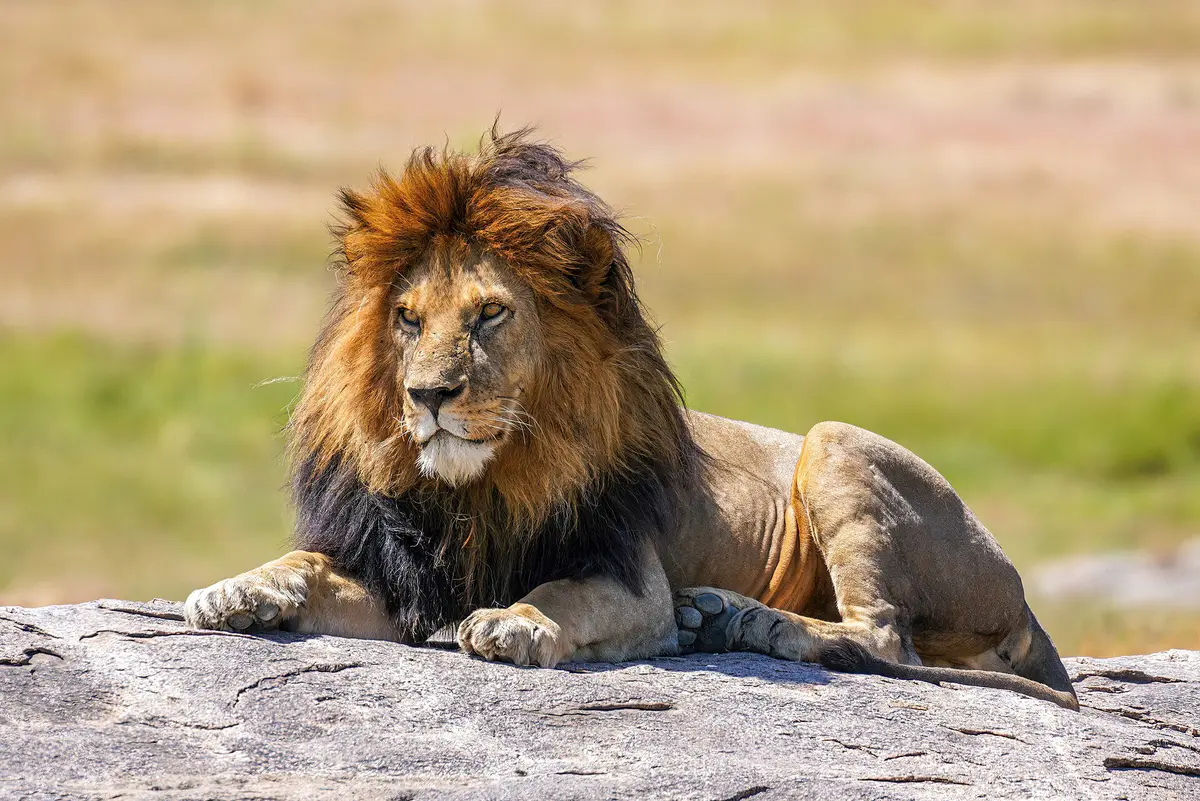
| Lion | Frame an imaginary mane around your face. |
| Bear | Hold up two large pretend paws. |
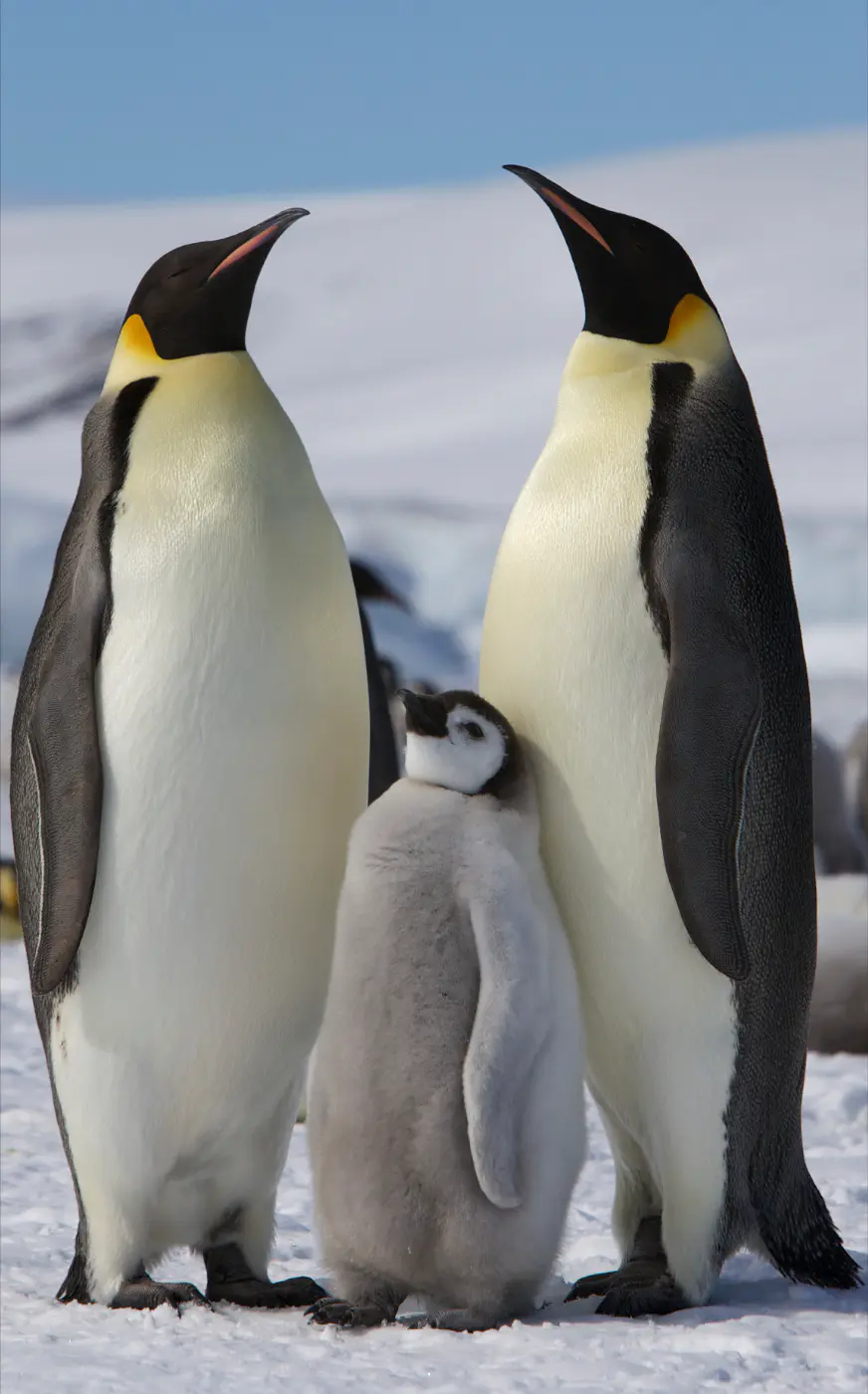
| Penguin | Keep your elbows close and mime small flippers. |
| Duck | Make a broad bill with your hands. |
| Owl | Make two circles around your eyes. |
| Eagle | Open your arms into a wide wing shape. |
| Snake | Trace a winding line through the air. |
| Turtle | Mime a shell and tuck in your chin. |
| Crocodile | Open and close your forearms as pretend jaws. |
| Frog | Show folded legs using just your fingers. |
| Fish | Move a flat hand as an imaginary tail. |
| Shark | Hold one hand upright as a pretend fin. |
| Octopus | Wiggle your fingers as imaginary arms. |
| Crab | Make two small hand pincers. |
| Butterfly | Join your thumbs and open your hands as wings. |
| Bee | Trace a small flight path with a finger. |
| Spider | Walk your fingertips across your other palm. |
| Snail | Show a curled shell and two pretend feelers. |
Use a generator without revealing the answer
For surprise rounds, the host can generate an animal on a private screen, check that it suits the agreed difficulty and show it only to the performer. Do not project the generator to everyone: result cards include the animal name and photograph. The website does not hide answers automatically for charades.
Turn on no repeats for successive draws in the same round. Catalog entries are distinct by entry, however, so different dog breeds may all reduce to dog under broad-name rules. Keep your own list of accepted answers and replace a draw that would repeat one at the level your game uses.
Change one rule to adjust difficulty
For an easier round, give players the answer list in advance or announce the group before each turn. For a harder round, use more specific names only when everyone has had a chance to see them. Unfamiliar vocabulary is not the same challenge as interpreting a gesture.
Try a silent round, a drawing round or a clue-card round, but keep the scoring rule constant within each. In a drawing variation, use plain paper and the same time limit. The generator supplies a subject; drawing tools, timers and team scores are managed separately.
Offer different ways to participate
Invite players to stay seated, use only their hands, take the host role or pass. A partner can read a prompt privately when reading the animal name is a barrier. Avoid requiring animal sounds: they can make the game harder to access and contradict a silent-charades rule.
After a disputed answer, stop the timer and resolve the name calmly. You can accept a broader term for that round or replace the prompt, but apply the same decision to later turns. A simple, predictable rule is more useful than arguing about a technical species name during a party game.
Finish with a short discovery round
Pick one animal that the group did not recognize and open its profile together. Ask what the photo actually shows and what would need a source check. Keep the playful mime separate from a factual description; an exaggerated game gesture is not evidence of behavior.
For another session, save the house rules and the broad names already used. Change the pool or the format rather than adding increasingly complicated scoring. You can also combine the game with one short research or comparison activity from the related guides.
Questions or corrections? Contact us. Animal facts and image licenses are documented on the linked profiles and in our source policy.