
Animals with Webbed Feet: Common & Rare Species List
A zoological guide to mammals, birds, reptiles, and amphibians with webbed toes—from everyday ducks and beavers to obscure wetland specialists.
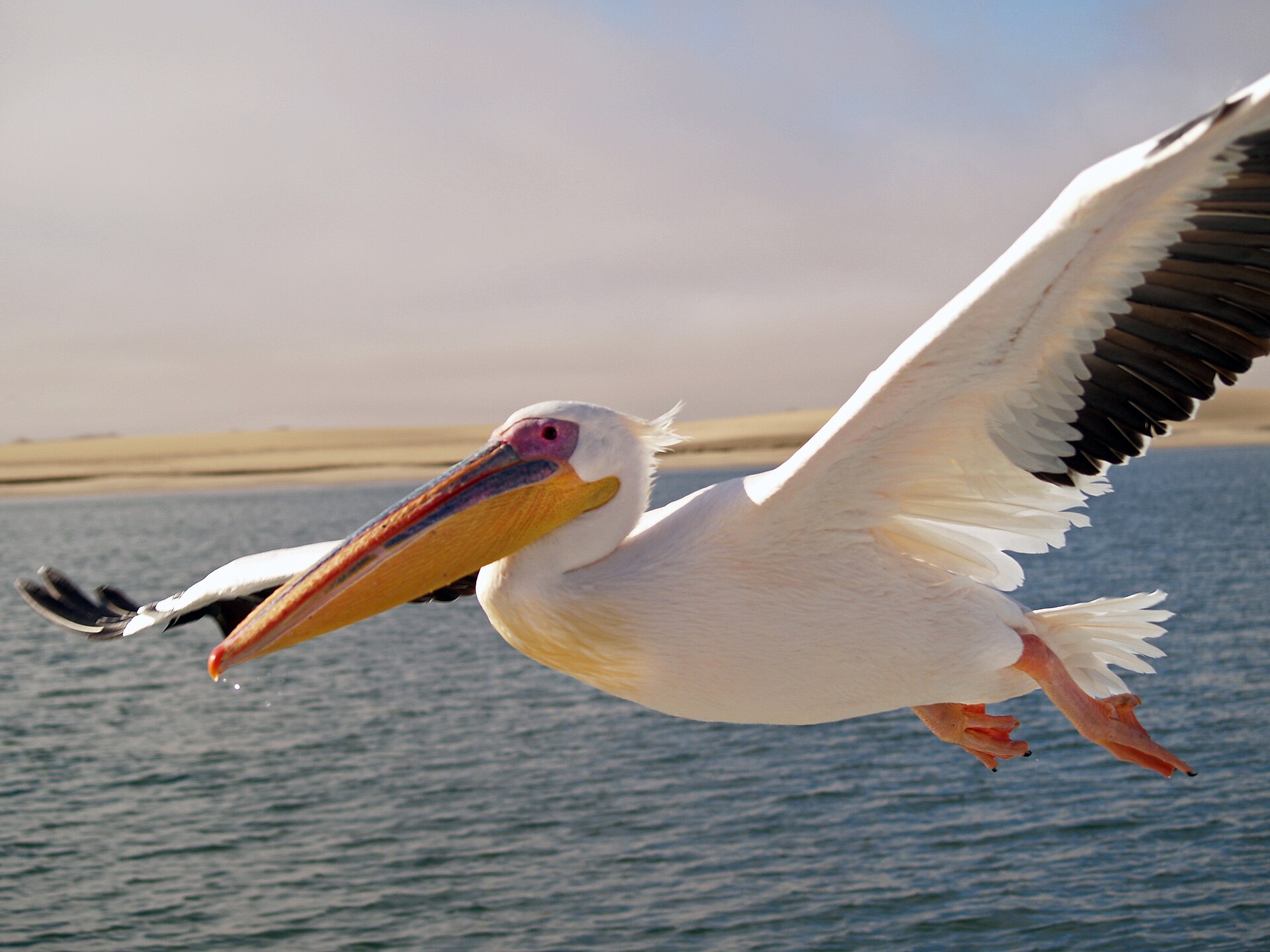

Animals with webbed feet span four vertebrate classes: birds (ducks, geese, swans, pelicans, cormorants, puffins, penguins, albatrosses), mammals (beavers, otters, platypuses, hippopotamuses, capybaras, desmans, fishing cats), reptiles (alligators, crocodiles, freshwater turtles), and amphibians (aquatic frogs and some newts). If you need a genuinely rare animal with webbed feet for a biology check or species trivia challenge, standout examples include the Pyrenean desman, flat-headed cat, blue duck (whio), marine otter, and white-headed duck.
Key takeaways
- True webbed feet connect separate digits with flexible skin membranes that spread on the power stroke and fold to cut drag on the recovery stroke.
- Ornithologists divide webbed bird feet into palmate (3 webbed toes), totipalmate (all 4 toes webbed), and semipalmate, while grebes and coots use scalloped lobate toes.
- Webbed toes differ from marine flippers (seals, walruses, sea turtles), where digits are fused inside a single hydrofoil paddle.
Rare and unusual animals with webbed feet
Most lists stop at mallards and bullfrogs, yet interdigital webbing evolved independently across dozens of specialized lineages. Below are verified rare or lesser-known species in our catalog that possess full or partial webbing:
| Species | Class | Foot adaptation & habitat |
|---|---|---|
| Pyrenean desman (Galemys pyrenaicus) | Mammal | Small insectivorous mole relative of fast Iberian mountain streams; fully webbed hind feet fringed with stiff hairs for underwater propulsion. |
| Fishing cat (Prionailurus viverrinus) | Mammal | South and Southeast Asian wetland wild cat with partially webbed toes and protruding claw tips for gripping slippery prey along mangroves and marshes. |
| Flat-headed cat (Prionailurus planiceps) | Mammal | Endangered Bornean and Sumatran peat-swamp cat whose interdigital webbing acts like a mudshoe on soft riverbanks. |
| Marine otter (Lontra felina) | Mammal | Also called the chungungo; a small South American Pacific-coast otter with coarse-haired, strongly webbed paws for rocky surf zones. |
| Blue duck / Whio (Hymenolaimus malacorhynchos) | Bird | Endangered New Zealand torrent duck with oversized palmate feet that steer against whitewater mountain currents. |
| White-headed duck (Oxyura leucocephala) | Bird | Eurasian stiff-tailed diving duck whose broad webbed feet sit far back on the body for underwater foraging. |
| Maccoa duck (Oxyura maccoa) | Bird | Endangered African stiff-tailed duck specialized for diving in shallow brackish and freshwater lakes. |
| Cape gannet (Morus capensis) | Bird | Southern African seabird with totipalmate webbing across all four toes—used both for swimming and for warming its single egg under the webs. |
Three famous textbook mammals outside our photo directory also belong in any complete zoology list: Australia's duck-billed platypus (Ornithorhynchus anatinus, whose front-foot webbing folds back when walking on land), Central and South America's water opossum or yapok (Chironectes minimus, a semi-aquatic marsupial with webbed hind feet), and the capybara (Hydrochoerus hydrochaeris, with partially webbed toes for marshy ground).
Four anatomical types of webbed bird feet
In ornithology, not every waterbird foot is wired the same way. Checking which toes are connected helps identify bird families in the field:
1. Palmate (three front toes webbed)
The most widespread design joins digits II, III, and IV with two full webs while leaving the small hind toe (hallux) free or reduced. You can see palmate feet across waterfowl like the Mallard, Mute Swan, and Greylag Goose; pelagic alcids and seabirds like the Atlantic Puffin, Common Murre, Razorbill, and Southern Royal Albatross; and penguins such as the Emperor Penguin and Galápagos Penguin (which steer with webbed feet while flying underwater with flipper-like wings).
2. Totipalmate (all four toes webbed)
Pelicans, cormorants, gannets, boobies, frigatebirds, and tropicbirds rotate the hind toe forward and join all four digits with three webs. Compare the Great White Pelican, Great Cormorant, and Cape Gannet.
3. Semipalmate (partial basal webbing)
Many plovers, sandpipers, and marsh waders carry short membranes only near the base of the front toes, keeping their feet from sinking into tidal mudflats.
4. Lobate (scalloped toe lobes—often mistaken for webs)
Grebes and coots do not have a continuous sheet of skin between toes. Instead, each toe carries independent, leaf-like lobes that flare open when kicking backward and fold flat when pulling forward—visible in the Great Crested Grebe, Common Coot, and flightless highland specialists like the Junin Grebe and Titicaca Grebe.
Mammals, reptiles, and webbed toes vs. true flippers
Semi-aquatic mammals and reptiles typically keep greater webbing on the hind feet while retaining dexterous forepaws for gripping food or digging burrows. A Canadian beaver combs oil through its fur and carries branches with unwebbed front paws while pushing through pond water with broad webbed hind feet. The sea otter takes hind-foot webbing furthest among lutrines, lengthening the outer fifth digit so the hind paw resembles a flexible fin, whereas the Nile hippopotamus uses short webbing between four splayed toes to stabilize massive body weight on submerged riverbeds.
Among reptiles, semi-aquatic crocodilians—including the American alligator, Chinese alligator, and fish-eating gharial—have webbed hind feet paired with powerful laterally undulating tails, and bottom-walking freshwater turtles like the alligator snapping turtle retain clawed webbed feet. By contrast, true marine turtles (green sea turtle, leatherback sea turtle), unusual freshwater exceptions like the pig-nosed turtle (Carettochelys insculpta), and pinnipeds (grey seal, walrus) encase their digits inside rigid or muscular flippers rather than individual webbed toes.
Frequently asked questions
What is a rare animal with webbed feet?
Several rare vertebrates have true webbed feet, including the Pyrenean desman (Galemys pyrenaicus), the fishing cat (Prionailurus viverrinus), the flat-headed cat (Prionailurus planiceps), the marine otter (Lontra felina), the New Zealand blue duck or whio (Hymenolaimus malacorhynchos), and the water opossum or yapok (Chironectes minimus).
Which mammals have webbed feet instead of flippers?
Beavers, sea otters, river and marine otters, platypuses, hippopotamuses, capybaras, desmans, water opossums, and wetland wild cats like the fishing cat have webbed or partially webbed toes rather than enclosed marine flippers.
Do all waterbirds have the exact same type of webbed feet?
No. Ornithologists distinguish palmate feet (three forward toes webbed, as in ducks, gulls, and penguins), totipalmate feet (all four toes webbed, as in pelicans, cormorants, and gannets), semipalmate feet (partial webbing in some shorebirds), and lobate toes (scalloped skin flaps in grebes and coots).
Do seals and sea turtles have webbed feet?
Anatomically, seals, sea lions, walruses, and marine sea turtles have true flippers—elongated digits enclosed inside a unified paddle—whereas freshwater turtles, crocodilians, beavers, and otters retain distinct toes joined by skin membranes.
Why do some land or marsh animals have partial webbing?
Partial interdigital webbing increases surface area like a snowshoe over soft mud, peat, and riverbank silt, helping animals such as hippos, fishing cats, and wading plovers walk without sinking as well as swim.