
Photo temporarily unavailable.
Random Wild Animal Generator
Draw free-living wildlife across savannas, forests, oceans, mountains, and polar habitats—with all domestic dog and cat breeds filtered out automatically.
Sample wild species in this pool
This scope draws from 593 non-domesticated entries spanning mammals, birds, reptiles, fish, and marine invertebrates. Select any card below to inspect its full profile and cited sources.
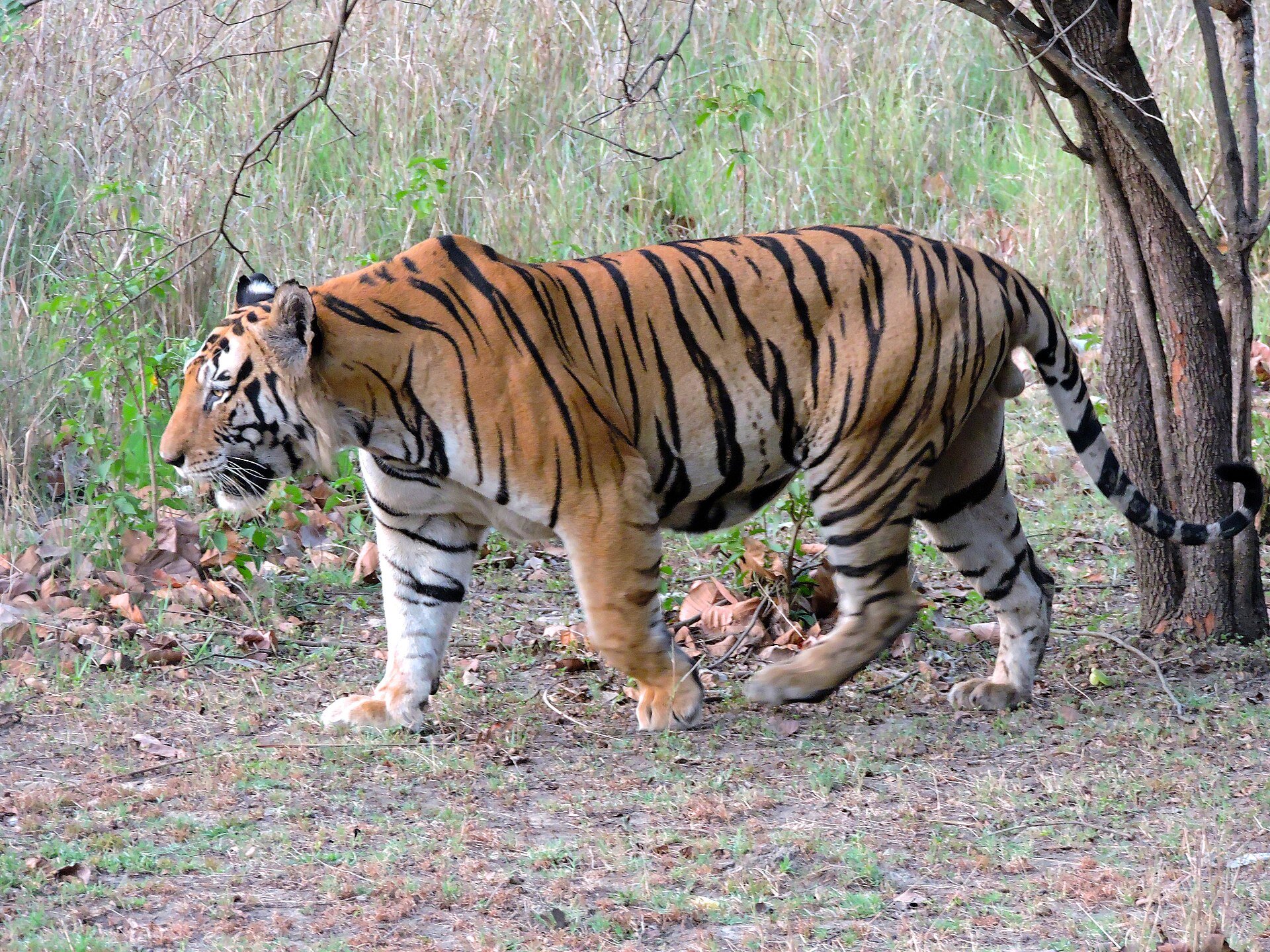
Tiger
Panthera tigris
Mammal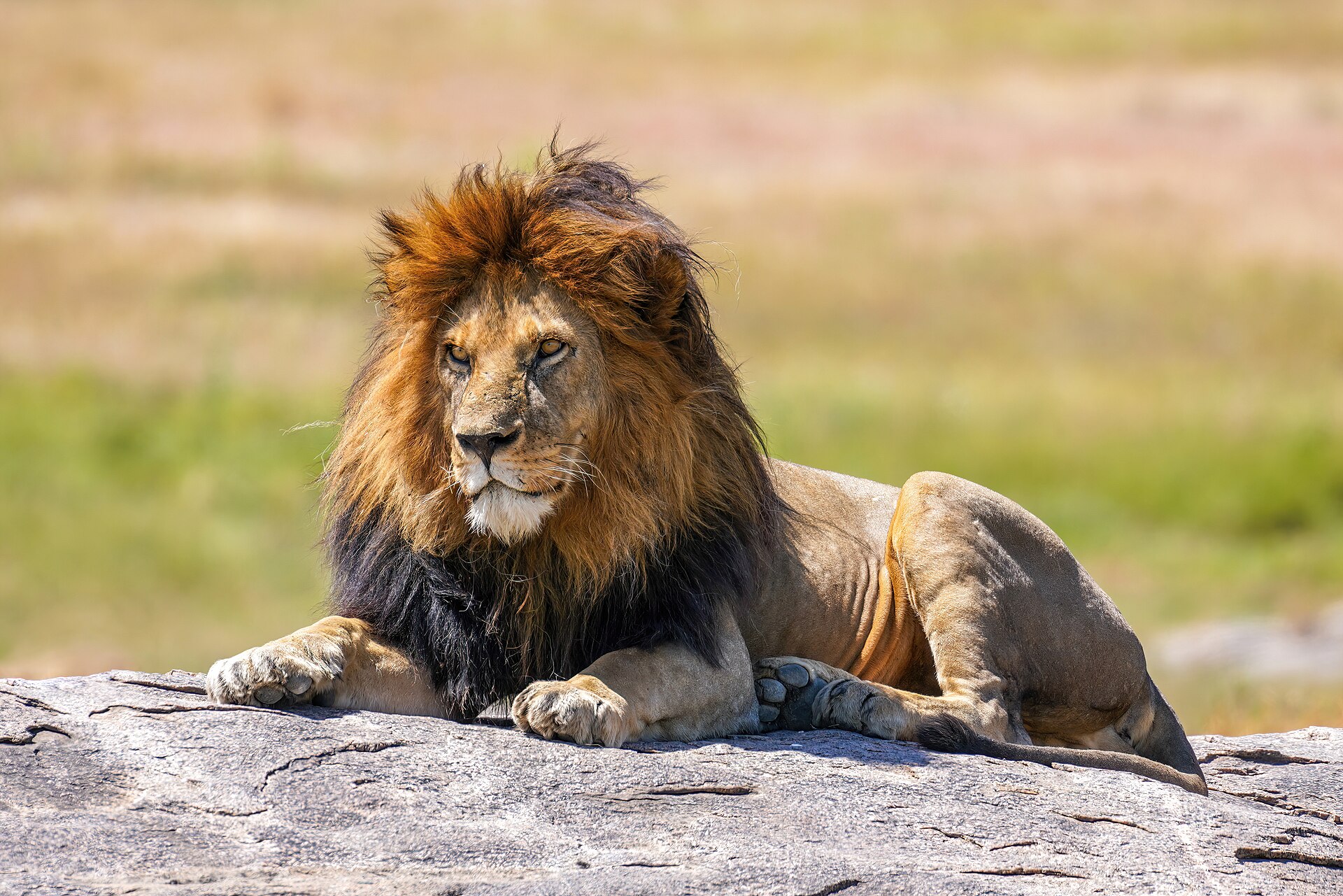
African Lion
Panthera leo
Mammal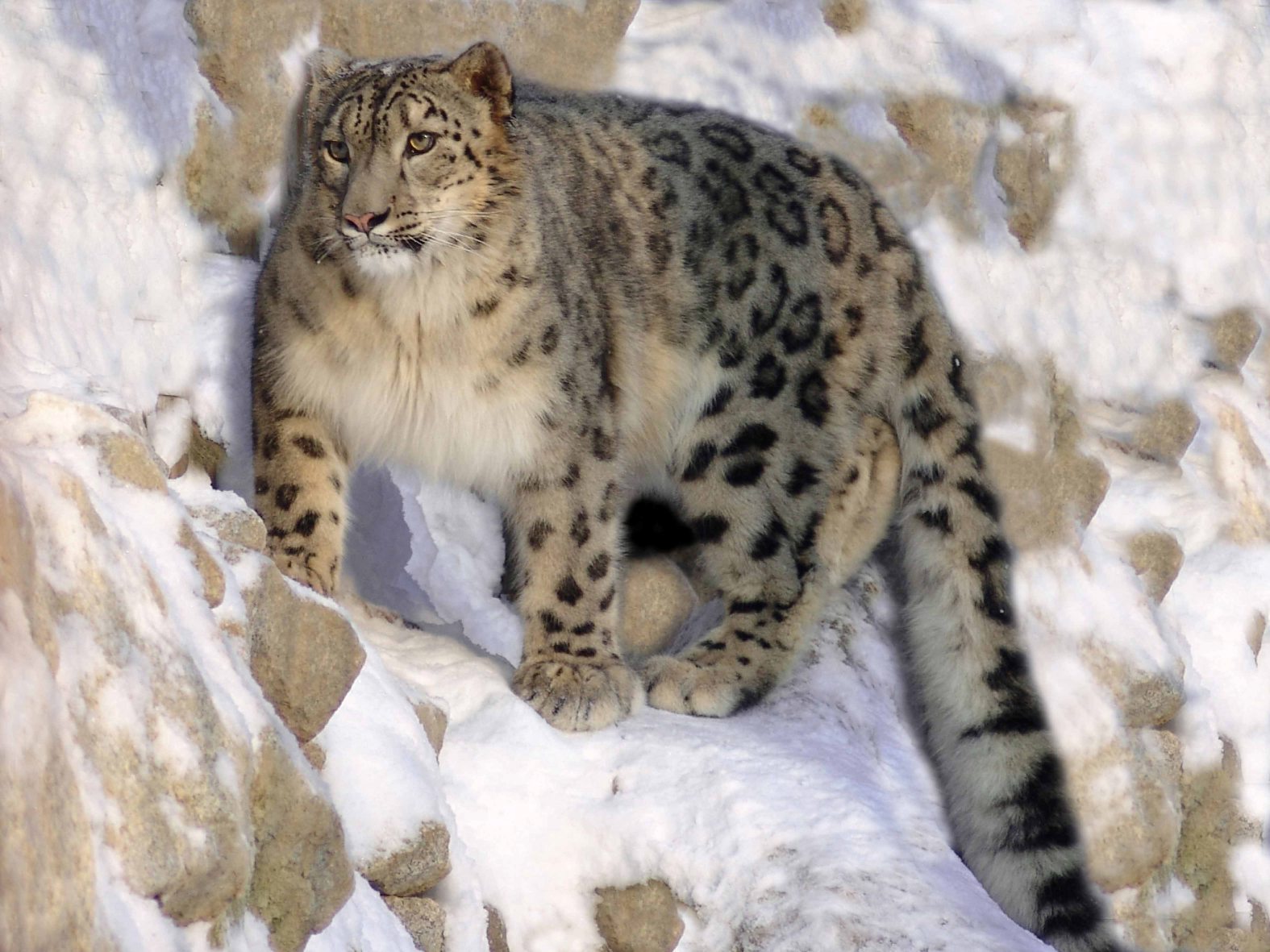
Snow Leopard
Panthera uncia
Mammal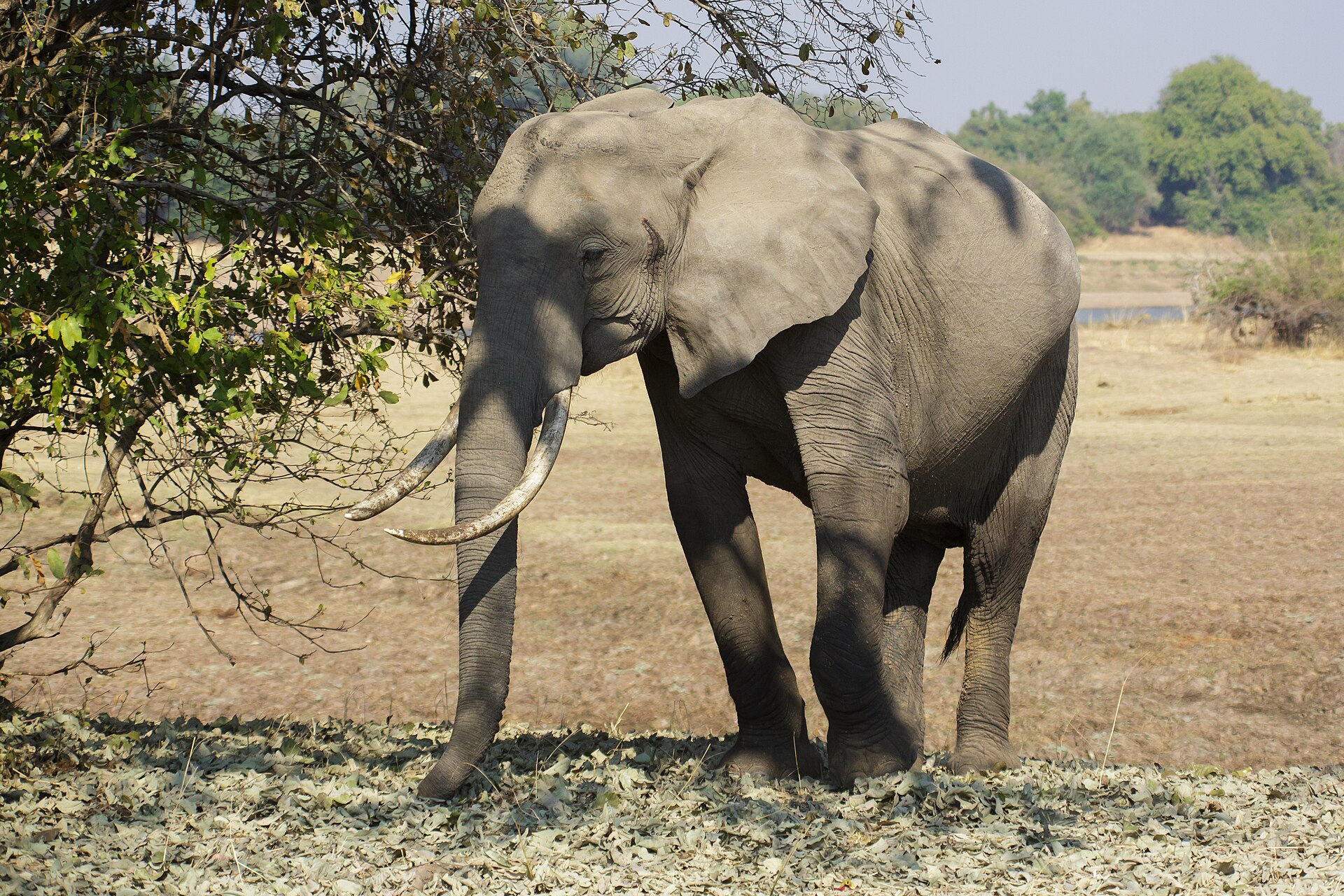
African Bush Elephant
Loxodonta africana
Mammal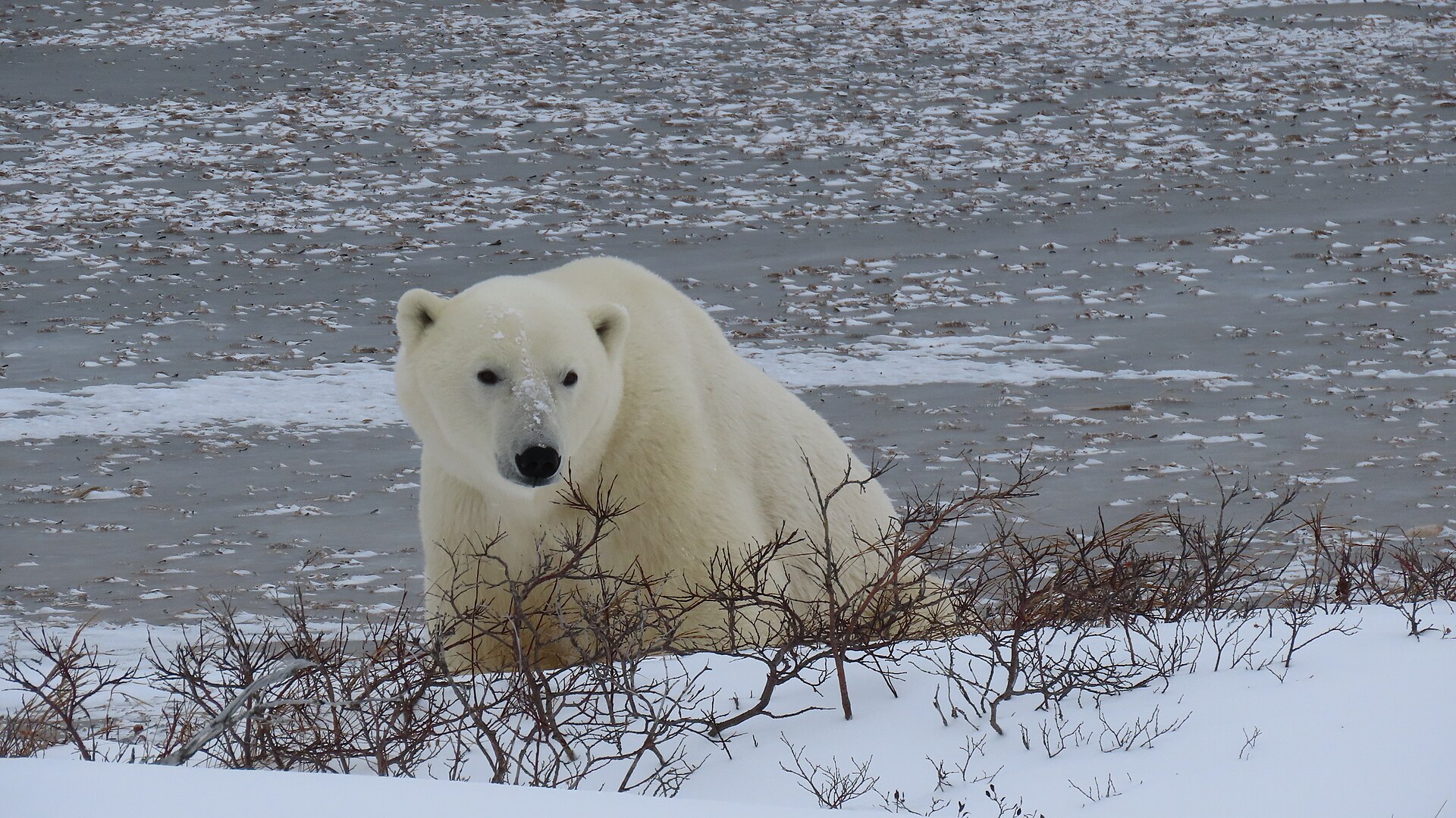
Polar Bear
Ursus maritimus
Mammal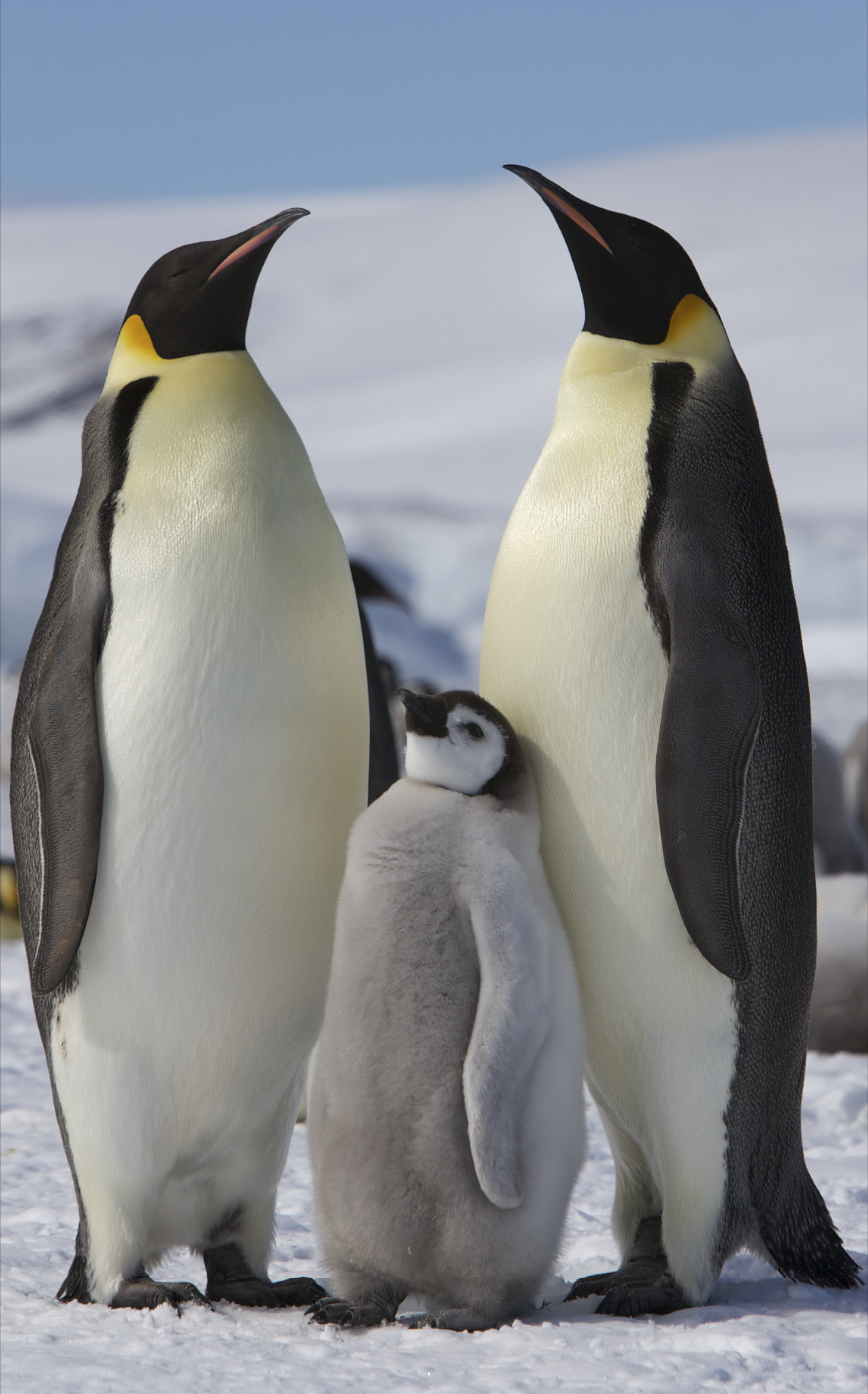
Emperor Penguin
Aptenodytes forsteri
Bird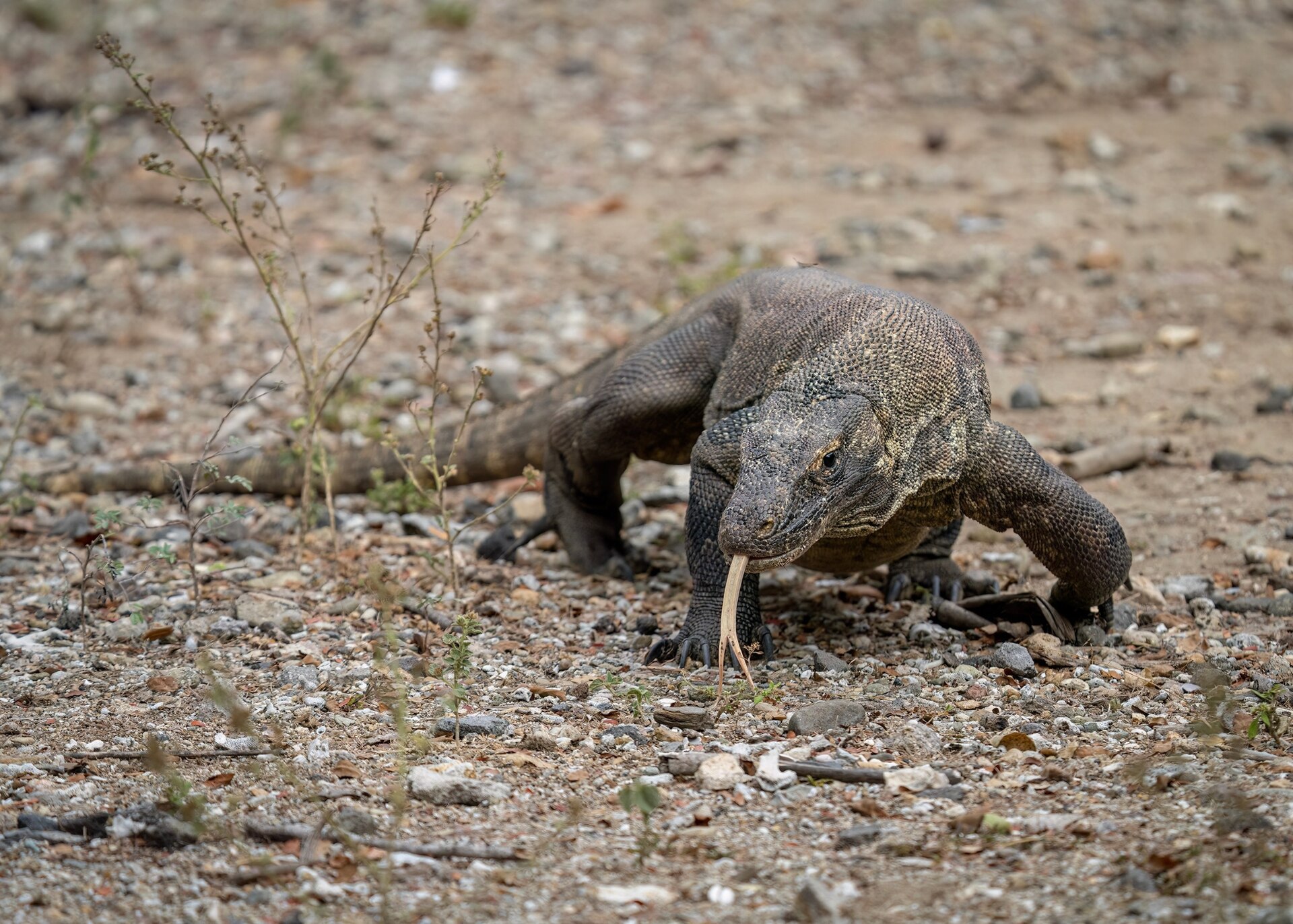
Komodo Dragon
Varanus komodoensis
Reptile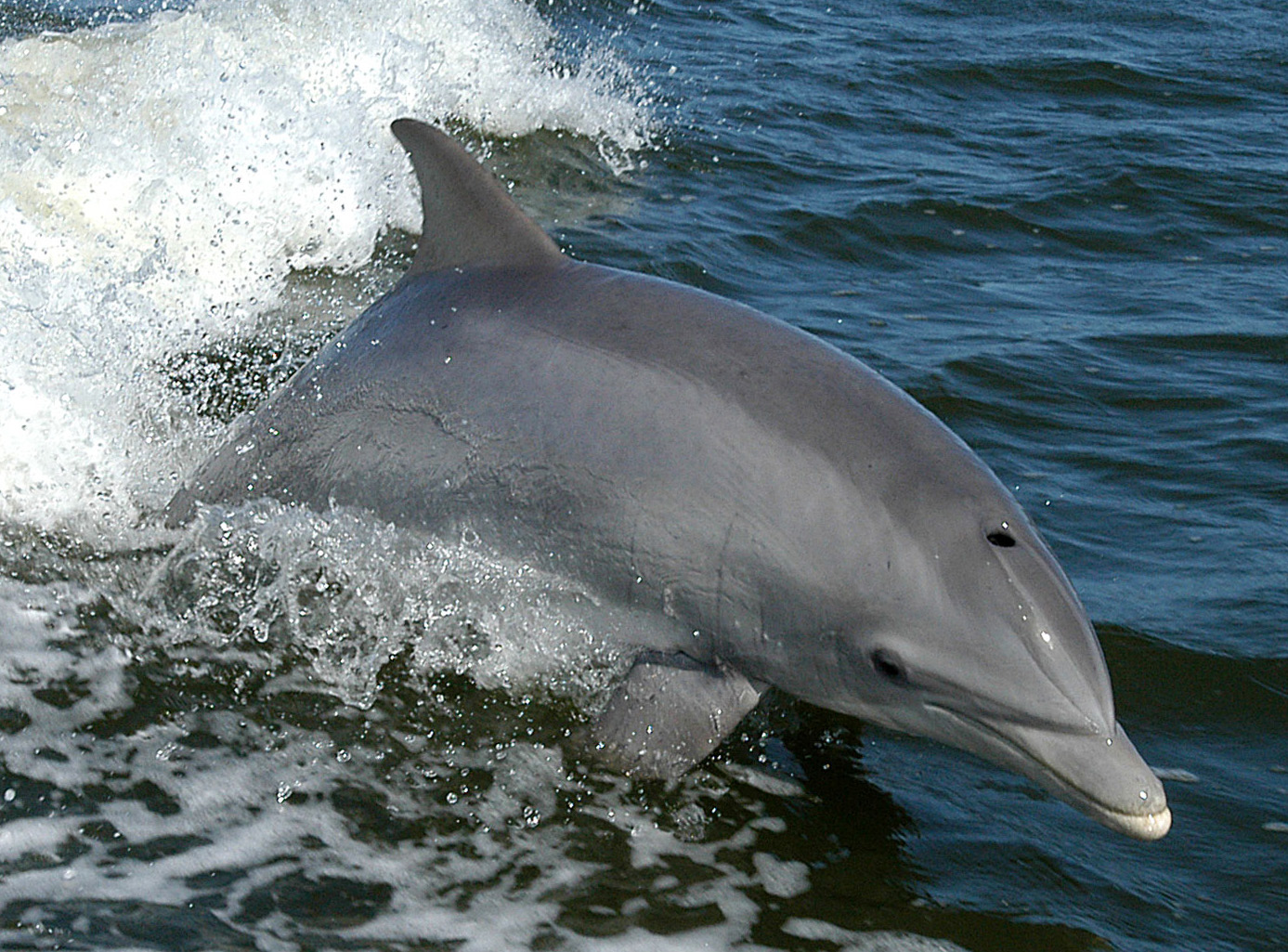
Bottlenose Dolphin
Tursiops truncatus
Mammal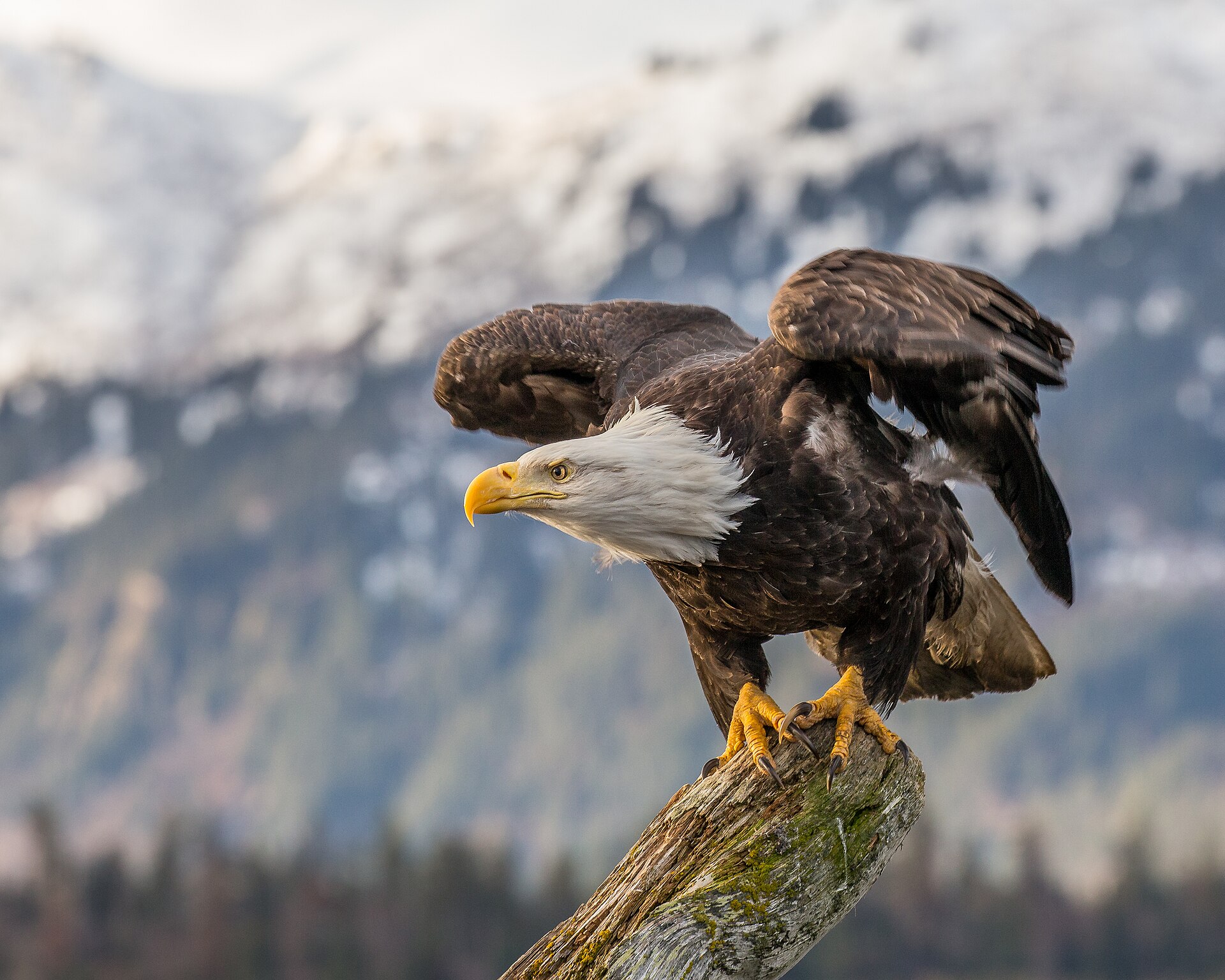
Bald Eagle
Haliaeetus leucocephalus
Bird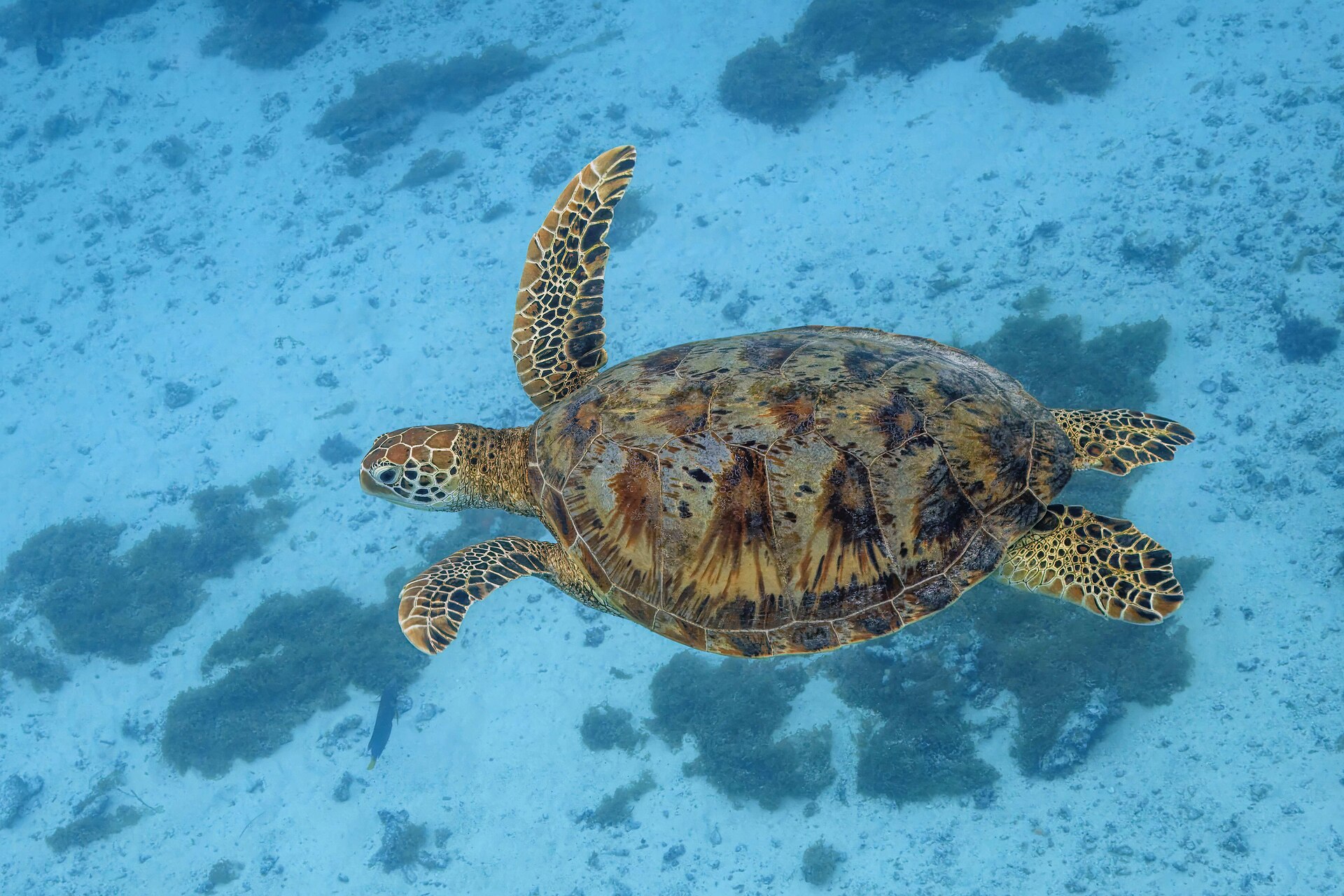
Green Sea Turtle
Chelonia mydas
Reptile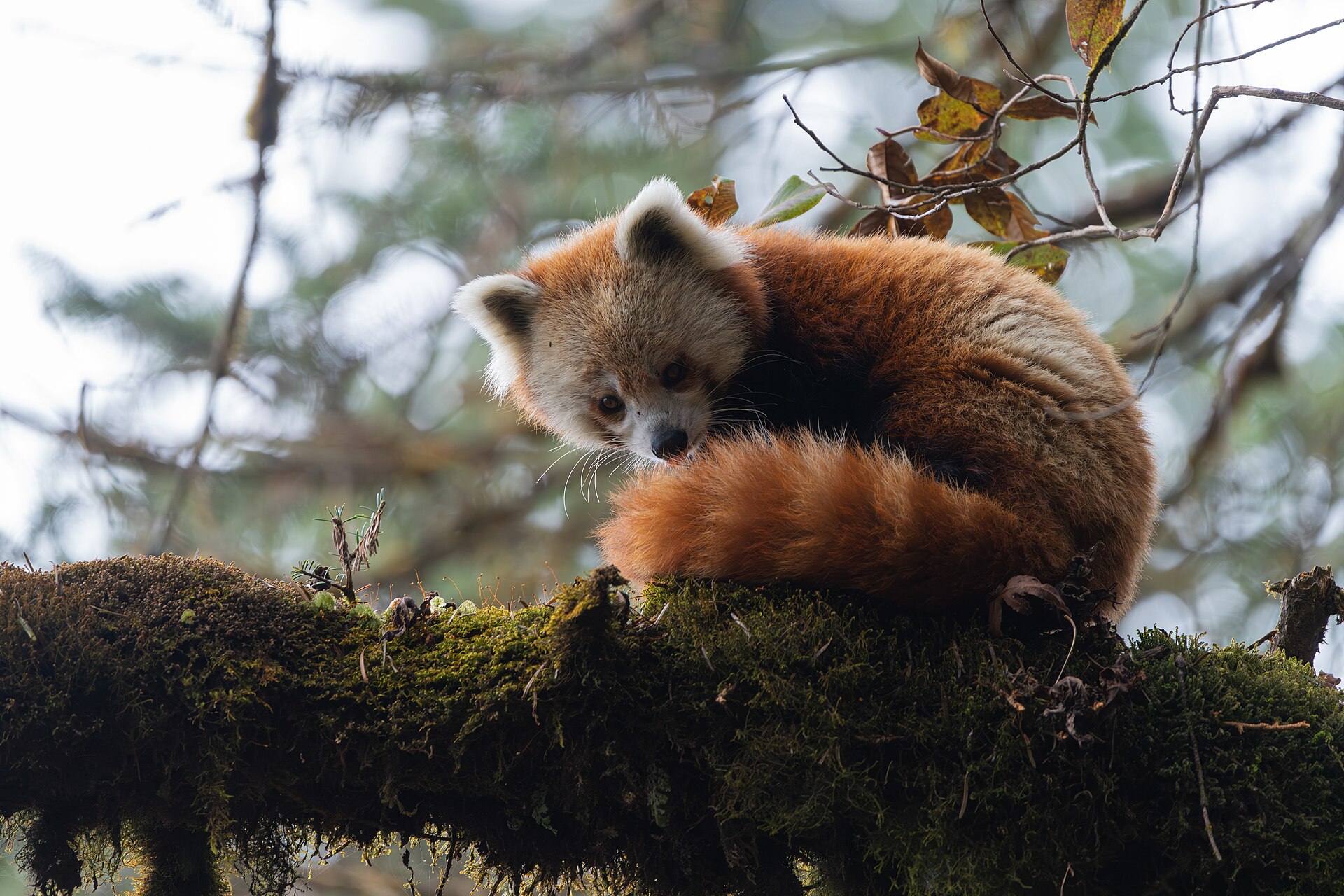
Red Panda
Ailurus fulgens
Mammal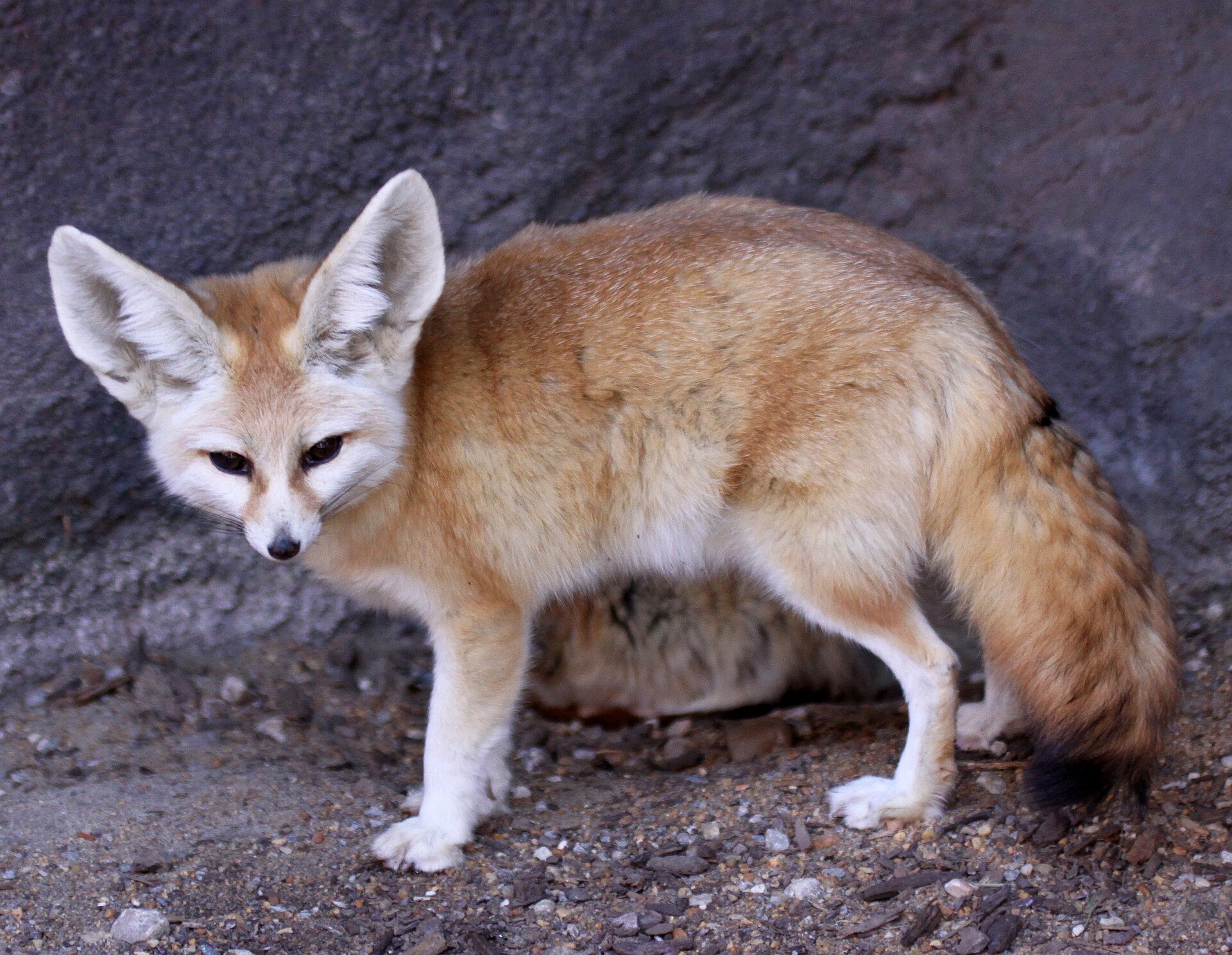
Fennec Fox
Vulpes zerda
MammalWhy use a dedicated wild-only animal picker?
The full 845-animal directory mixes wild fauna with 252 domestic dog and cat breeds. When you are planning an ecology lesson, wildlife sketching session, ecosystem food-web prompt, or animal trivia round, pulling three terrier breeds in a row breaks the activity. Setting the default scope to Wild Animal keeps every single draw focused on free-living species—from apex predators like the Bengal tiger and snow leopard to pelagic seabirds, venomous snakes, and deep-sea cephalopods.
Each entry links directly to a reviewed profile with scientific binomials, recorded longevity or habitat notes where available, and explicit image licensing. Because common names vary by region—a cougar, mountain lion, and puma all refer to Puma concolor—checking the scientific name alongside the photograph prevents mix-ups during student research.
3-step wildlife adaptation study
- Draw three wild species without repeats. Open More options, set Number of results to 3, keep No repeats this round checked, and generate your batch.
- Compare visible structural traits. Look strictly at what the three photographs show: limb proportions, bill or jaw shape, coat thickness, camouflage pattern, or webbing.
- Verify habitat claims against profile sources. Open each animal's profile to check where it actually lives and what it eats before turning an observation into a habitat claim. Pair this with the animal habitat guessing game for a 10-minute class round.
Frequently asked questions
What animals are excluded from the random wild animal generator?
All 252 domestic dog and domestic cat breeds in the Pets collection are excluded. Every draw comes from the remaining 593 free-living mammals, birds, reptiles, fish, and marine invertebrates.
Can I generate more than one wild animal at a time?
Yes. Open More options, set Number of results to 1, 3, 5, or 10, and press Generate animals. Keep No repeats this round checked so species do not repeat across draws.
Does every wild animal include a real photograph and scientific name?
Yes. Each card shows a licensed Wikimedia Commons photograph with photographer credit, license link, common name, scientific name, and a link to the species profile.
Can I filter wild animals down to birds, reptiles, or marine life?
Yes. Open More options and change Animal type to Bird, Reptile, Sea Animal, Forest Animal, or Endangered Animal without leaving the picker.